
Japanese artist Yayoi Kusama, one of the most recognisable and influential figures in contemporary art, has died at the age of 97.
Kusama died on August 14 at a hospital in Tokyo, according to a statement released by her studio. She remained creatively active until the very end, continuing to paint and work on the ideas that had shaped her extraordinary career.
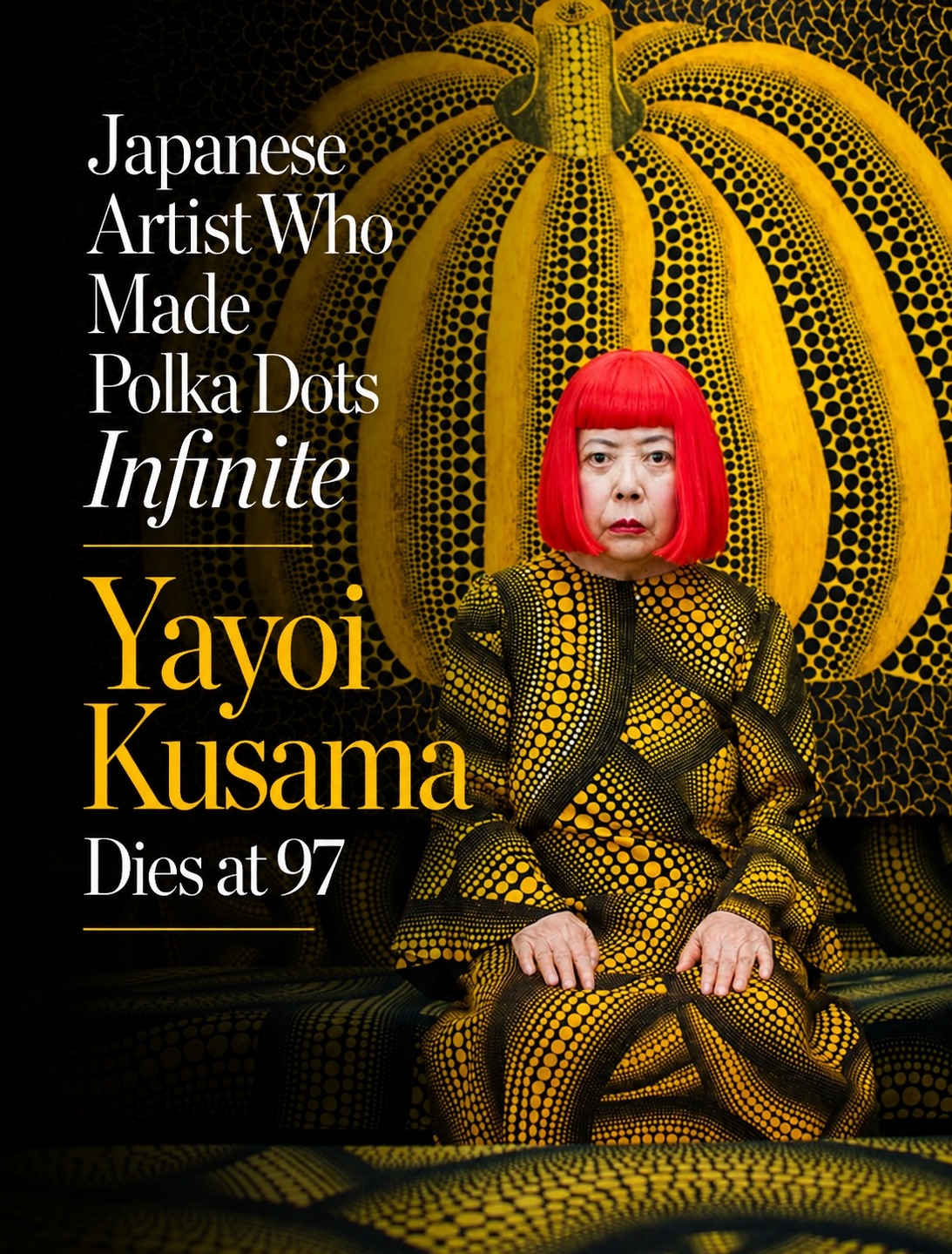
For millions of people around the world, Kusama was the artist of polka dots, mirrored rooms and giant pumpkins. But behind those instantly recognisable images was a deeply personal body of work built around repetition, infinity, fear, obsession and the way she experienced the world.
The Artist Who Turned Polka Dots Into a Universe
Few artists have created a visual language as immediately recognisable as Yayoi Kusama.
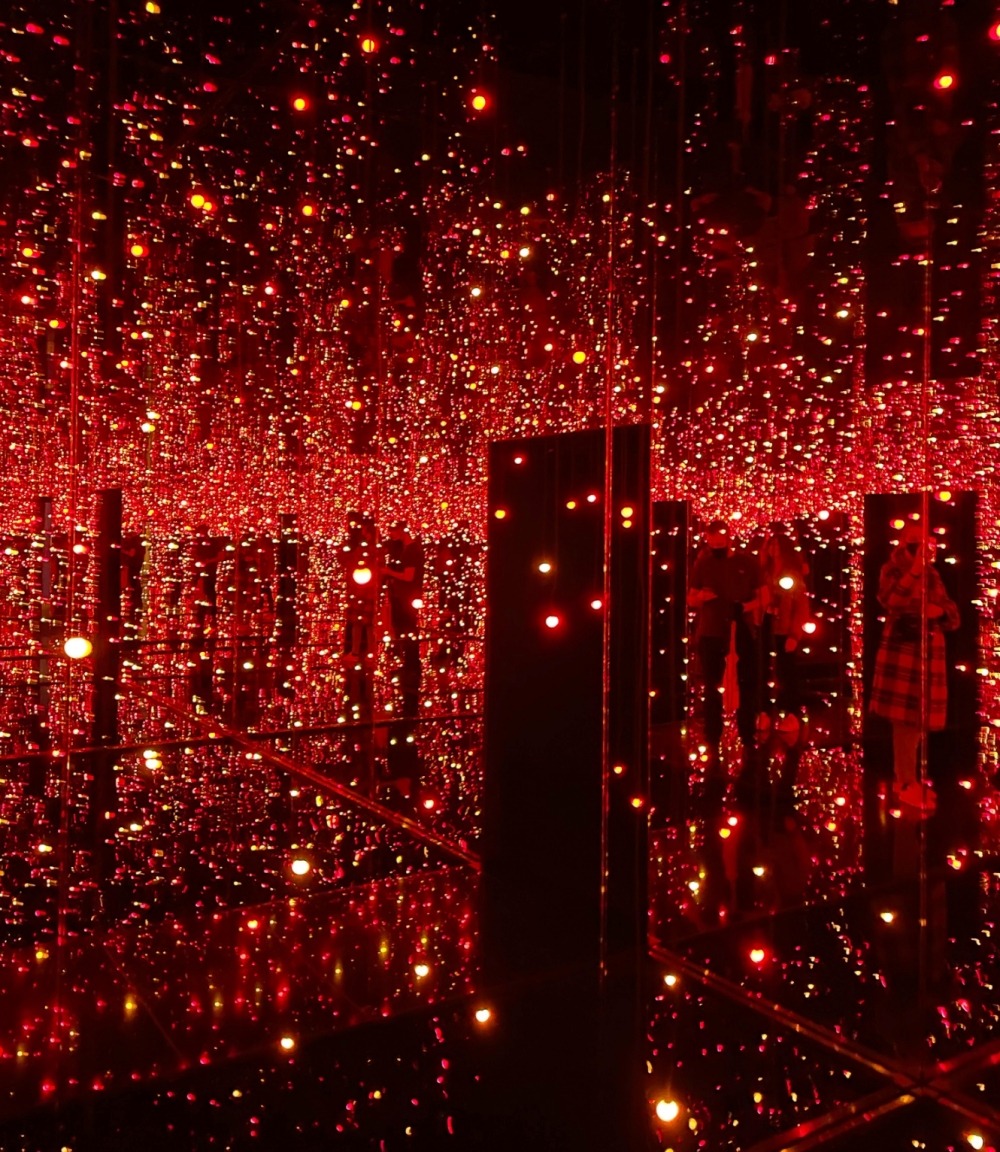
Dots covered her paintings, sculptures, rooms, clothing and even entire environments. Her famous Infinity Mirror Rooms surrounded visitors with reflections, lights and repeating forms that seemed to continue forever.
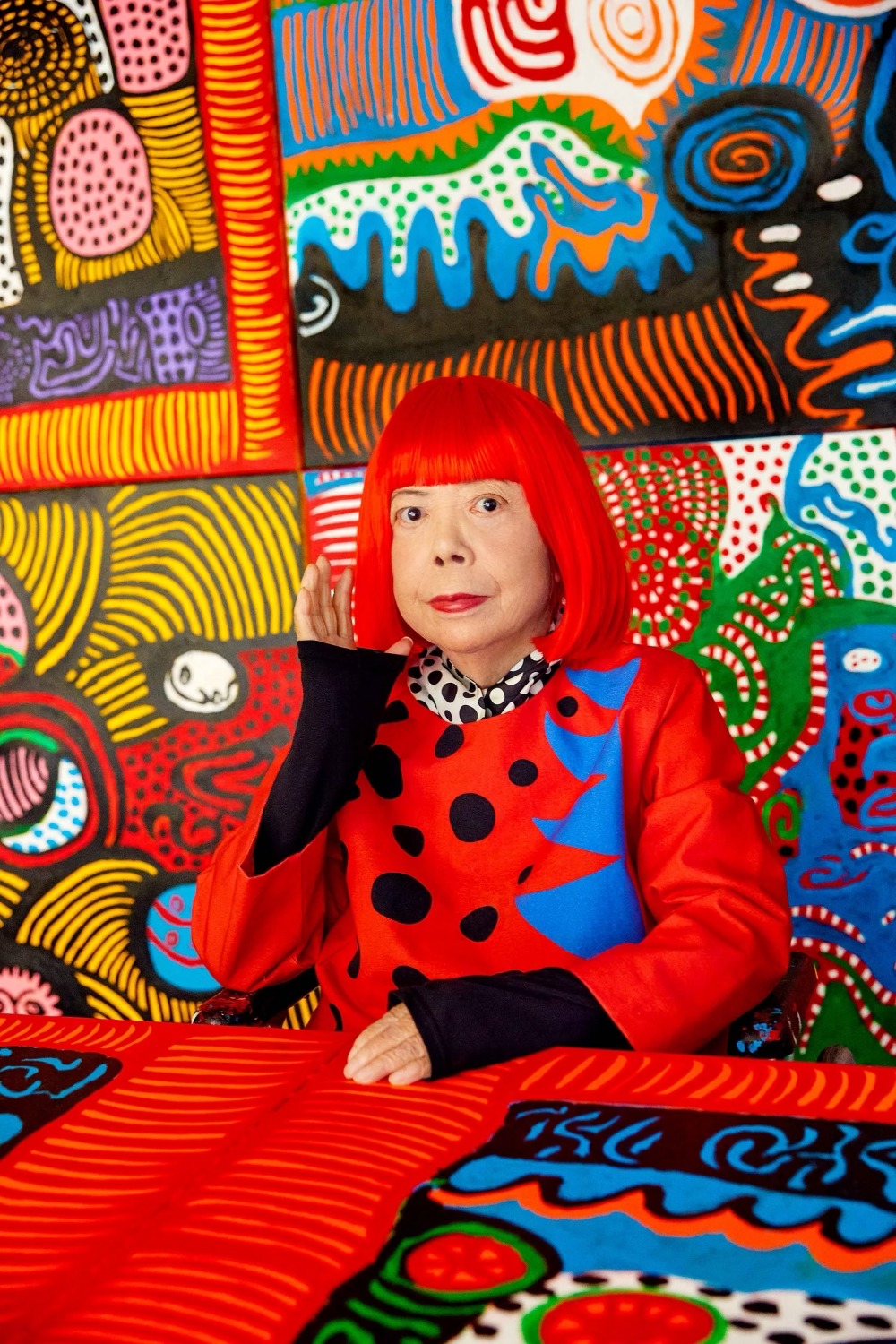
Her pumpkins became another signature motif, appearing in paintings and sculptures around the world.
What looked playful and colourful on the surface often came from something much more personal. Kusama spoke openly about experiencing hallucinations from childhood, including visions of dots and patterns spreading across objects and spaces around her. Rather than running from those experiences, she transformed them into art.
That ability to turn something intensely private into something universally understood became one of the defining qualities of her work.
From Matsumoto to New York
Kusama was born in Matsumoto, Japan, in 1929 and began drawing as a child.
After studying traditional Japanese painting, she became frustrated with its limitations and eventually moved to New York in the late 1950s. There she entered the city’s avant garde art scene and began producing her Infinity Net paintings, soft sculptures and experimental performances.
During the 1960s, she became known not only for her visual art but also for provocative performances and anti war happenings.
Yet despite working alongside artists who would become huge names in Pop Art and Minimalism, Kusama often felt overlooked by the art establishment.
Recognition came much more strongly later in life.
A Remarkable Second Act
Kusama returned to Japan in the 1970s and voluntarily entered a psychiatric hospital in Tokyo in 1977, where she continued to live for decades while travelling to a nearby studio to work.
For a period, her international profile faded. Then came one of the most remarkable comebacks in modern art.
By the 1990s and 2000s, Kusama was once again attracting major attention, and her Infinity Mirror Rooms became global sensations. Museums around the world hosted blockbuster exhibitions, with visitors sometimes queuing for hours for just a few moments inside her immersive installations.
Her work also found a new audience through fashion and popular culture.
Collaborations with Louis Vuitton introduced her dots and pumpkins to an even broader public, while social media turned her mirror rooms into some of the most photographed contemporary artworks in the world.
More Than Just the ‘Polka Dot Artist’
Calling Kusama simply the “polka dot artist” almost feels too small.
Her work moved across painting, sculpture, installation, performance, fiction and poetry. She explored identity, infinity, sexuality, fear, repetition, death and love.
She also helped blur the line between fine art and popular culture long before that became common.
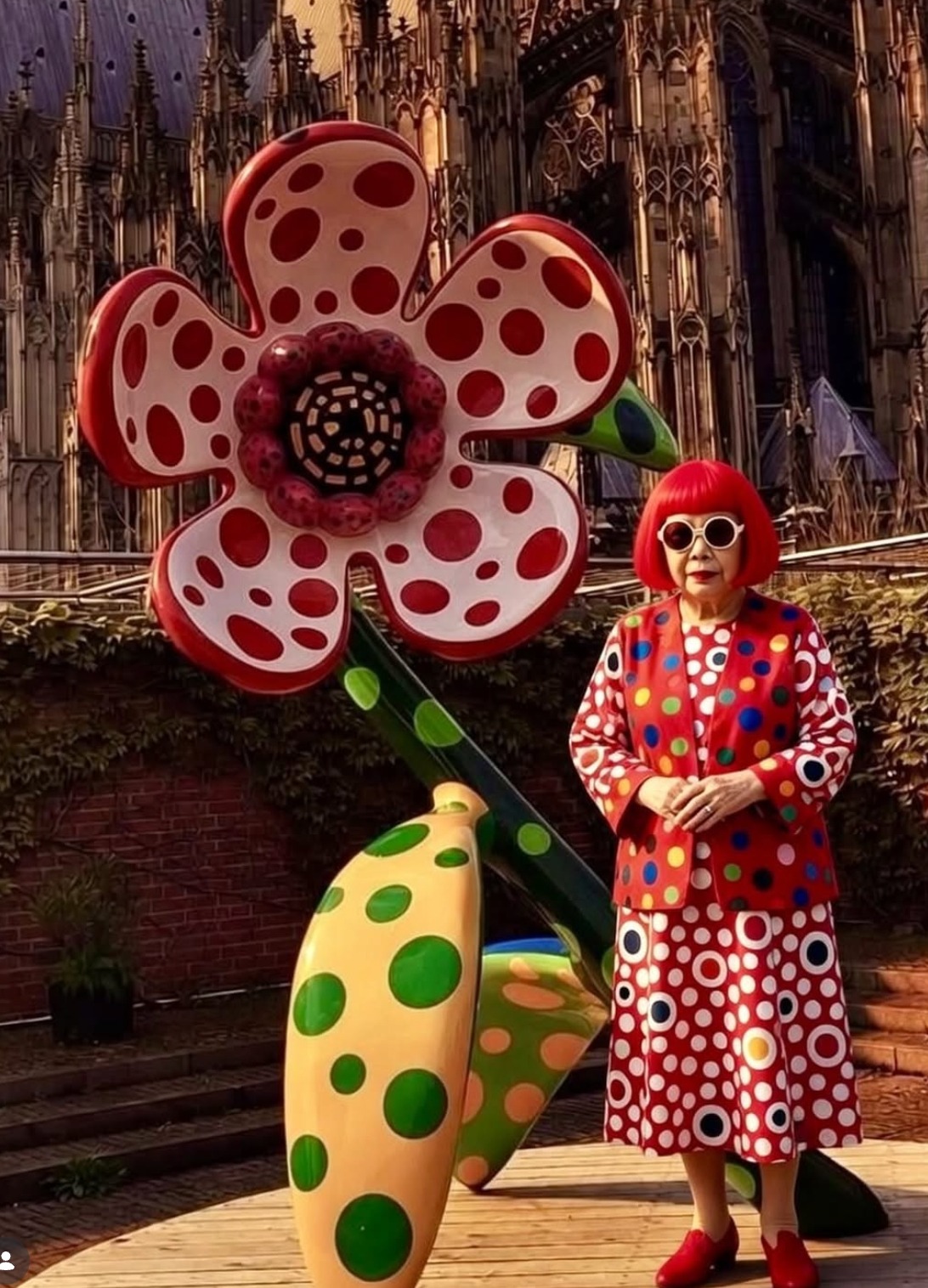
Her work could feel whimsical from a distance and deeply unsettling up close. That contrast was part of its power.
A room filled with lights could look beautiful and dreamy, yet the repeated reflections often created the strange feeling of disappearing into something endless.
That tension between joy and unease ran through much of Kusama’s career.
From Outsider to Global Icon
What makes Kusama’s story especially compelling is how long it took the art world to fully embrace her.
She spent years working on the edges of major art movements, often feeling ignored while male artists around her became famous.
Decades later, she became one of the biggest names in contemporary art.
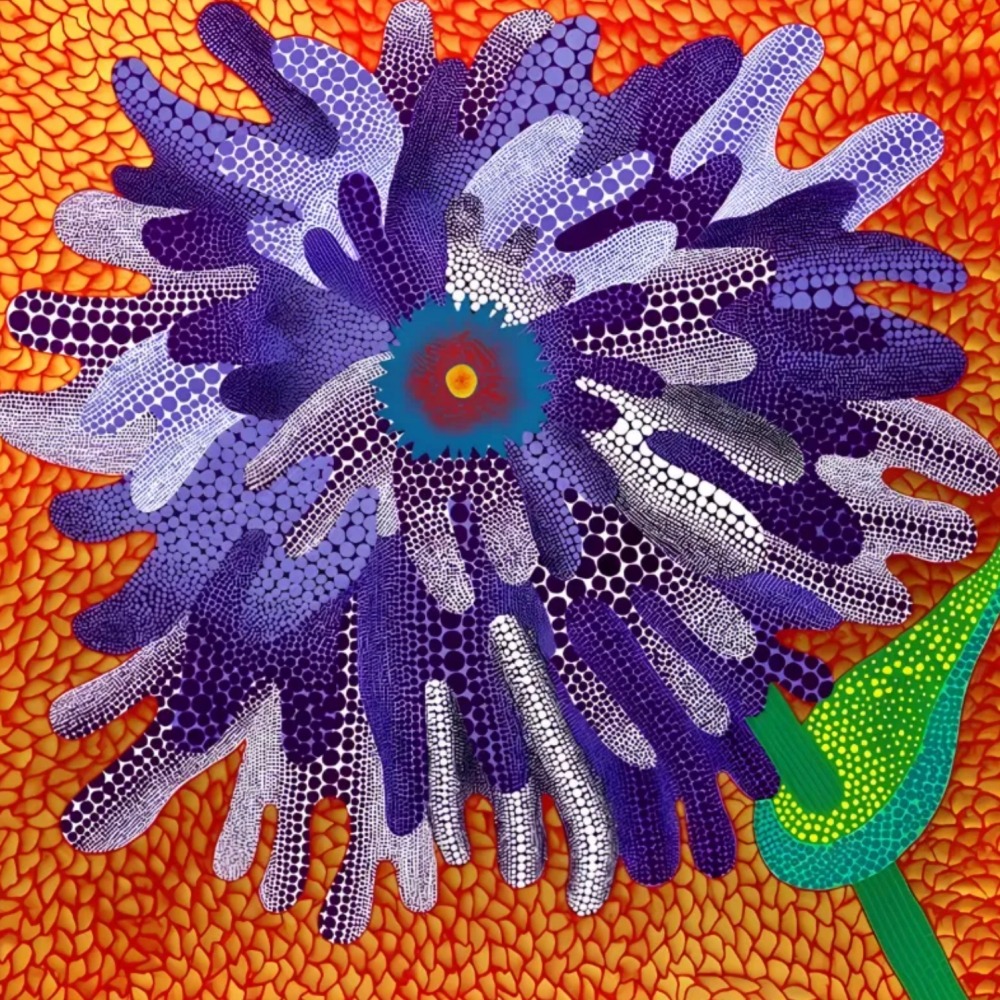
Her paintings sold for millions, her exhibitions attracted enormous crowds, and her instantly recognisable red wig and polka dot clothing turned the artist herself into a cultural icon.
In 2016, she received Japan’s Order of Culture, one of the country’s highest honours for artists.
Her rise also became a rare example of an older female artist achieving extraordinary global fame at a stage of life when women are often pushed out of the cultural spotlight.
She Kept Painting Until the End
Perhaps the most fitting detail about Kusama’s final years is that she never stopped working.
Her studio said she continued painting until her final days and remained devoted to exploring the themes of eternal love and the soul.
That seems entirely in character for an artist whose life and work were almost impossible to separate.
Art was not simply her profession. It was the way she processed the world.
Yayoi Kusama’s Legacy Is Everywhere
Kusama changed the way people experience contemporary art.
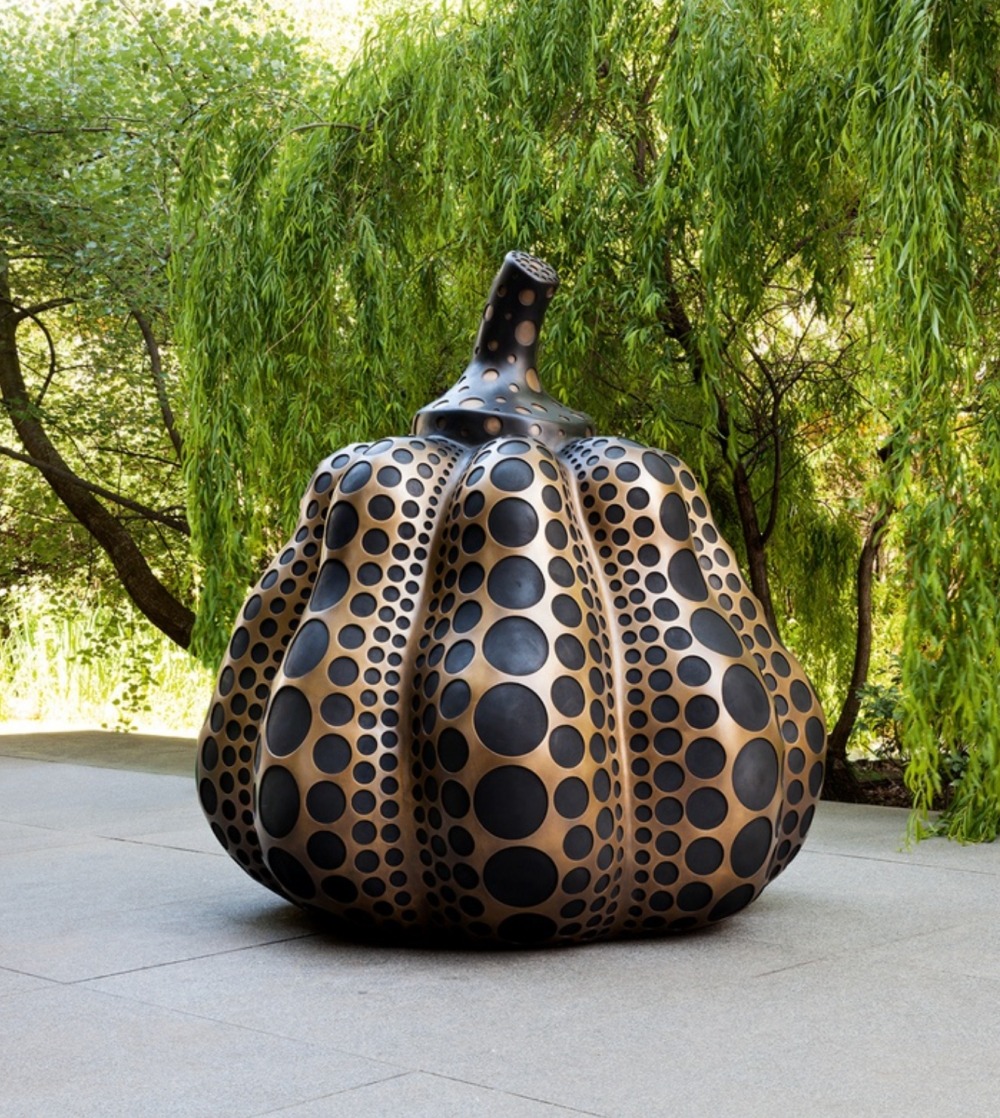
She helped make installation art immersive, emotional and accessible to audiences far beyond traditional gallery circles. She created spaces people could physically enter rather than simply stand in front of.
Her dots became instantly recognisable. Her pumpkins became cultural icons. Her Infinity Rooms changed museum exhibitions forever.
And perhaps most importantly, she showed how one intensely personal visual obsession could grow into something understood across cultures and generations.
Yayoi Kusama spent decades imagining infinity.
Now, at 97, the artist is gone. But the dots, mirrors, pumpkins and endless reflected worlds she created will keep going.
And somehow, that feels exactly right.