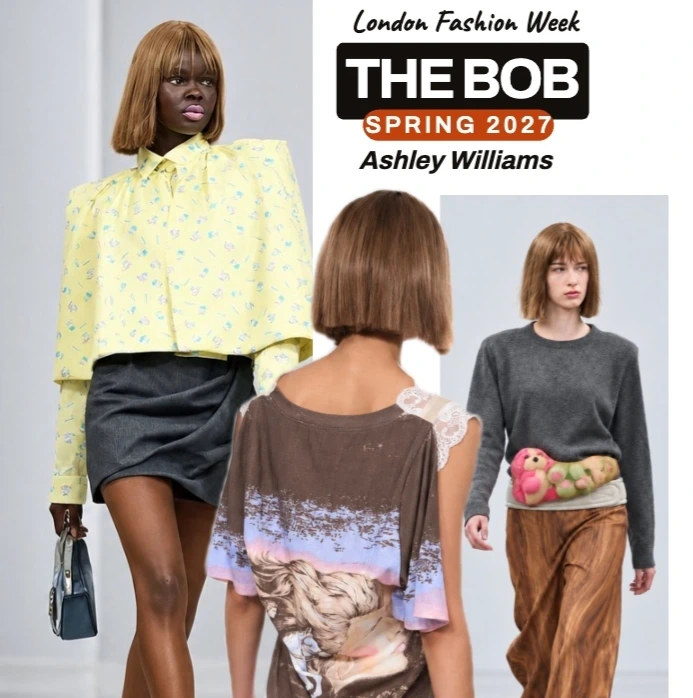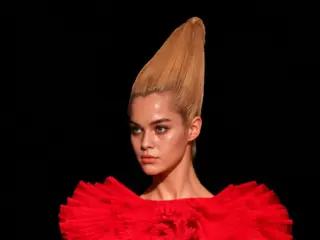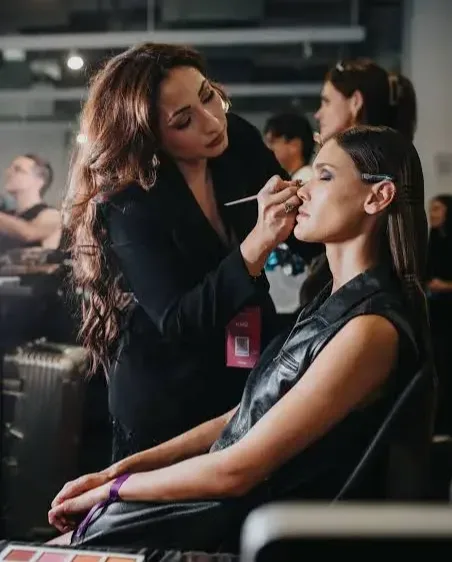
The bob has been reinvented more times than we can count, but the Italian bob has a little something extra. It is polished without looking stiff, glamorous without feeling overdone, and full enough to make even simple styling look intentional.
That probably explains why the cut is still getting so much attention. Google says searches for “Italian bob” reached a record high in 2026, making it one of the standout haircut searches of the year.
So what exactly makes this bob different, and more importantly, who does it suit?
What Is an Italian Bob Haircut?
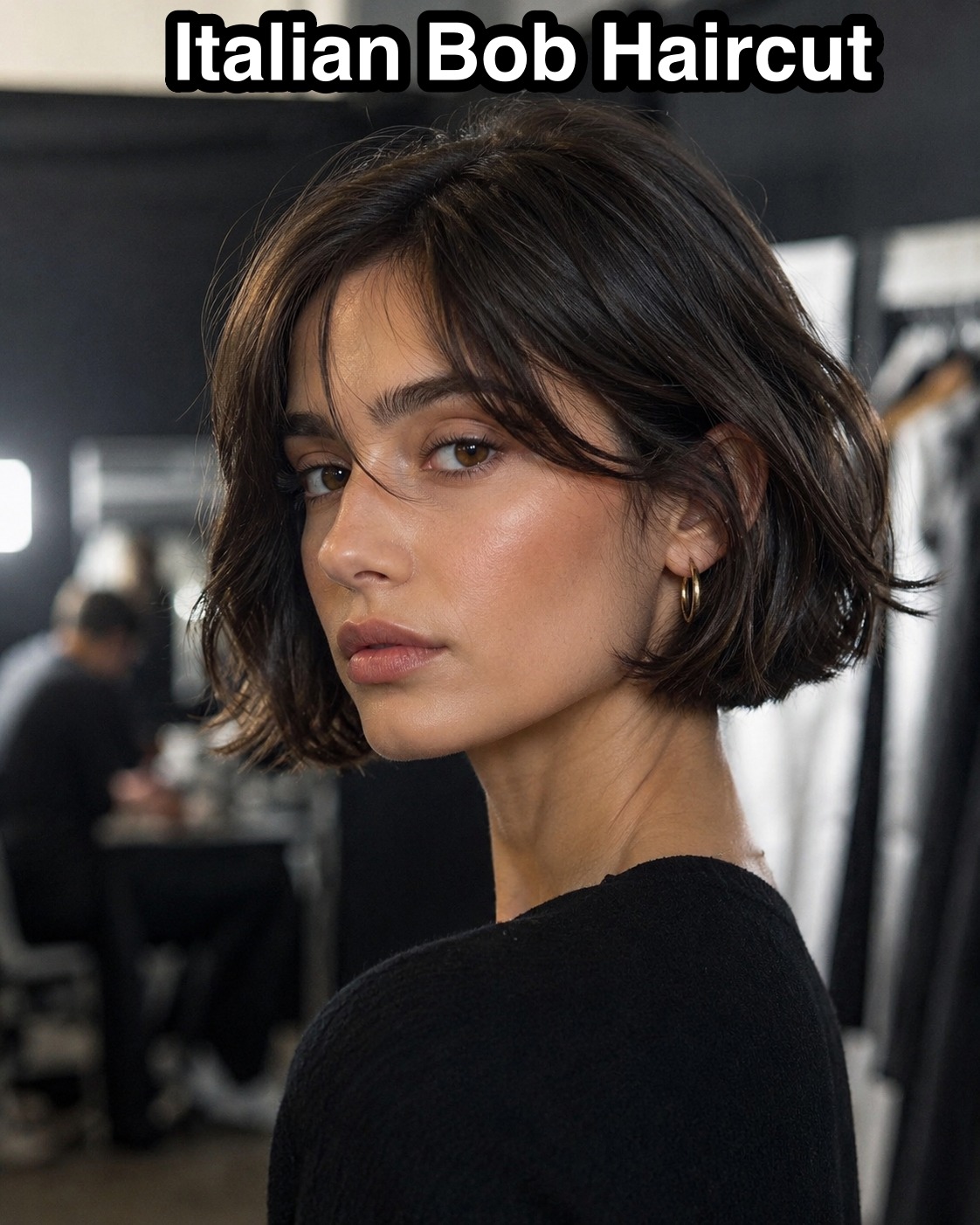
The Italian bob usually sits around the chin or just below it, with a strong, rounded shape and soft movement through the ends.
Unlike a very sharp, geometric bob, it is not supposed to look overly precise. The cut has body, swing and a slightly lived-in finish. Think glossy hair, volume at the roots and ends that feel full rather than wispy.
Celebrity hairstylist Dimitris Giannetos describes it as a more relaxed and luxurious take on the classic bob, with movement and volume doing much of the work.
A deep side part is often used to create extra lift, but the cut can also be worn with a centre part for a cleaner, more modern look.
Why Is the Italian Bob Haircut So Flattering?
The appeal is largely in the shape.
Because the cut sits around the jawline and keeps a good amount of weight through the ends, it frames the face without looking flat. The rounded silhouette also creates the illusion of fuller hair, which can be especially useful if your hair is fine or lacks body.
It is also surprisingly versatile. Wear it smooth and glossy and it instantly feels sophisticated. Add texture and a little volume and it becomes softer and more relaxed. The same haircut can move easily between daytime, workwear and evening styling.
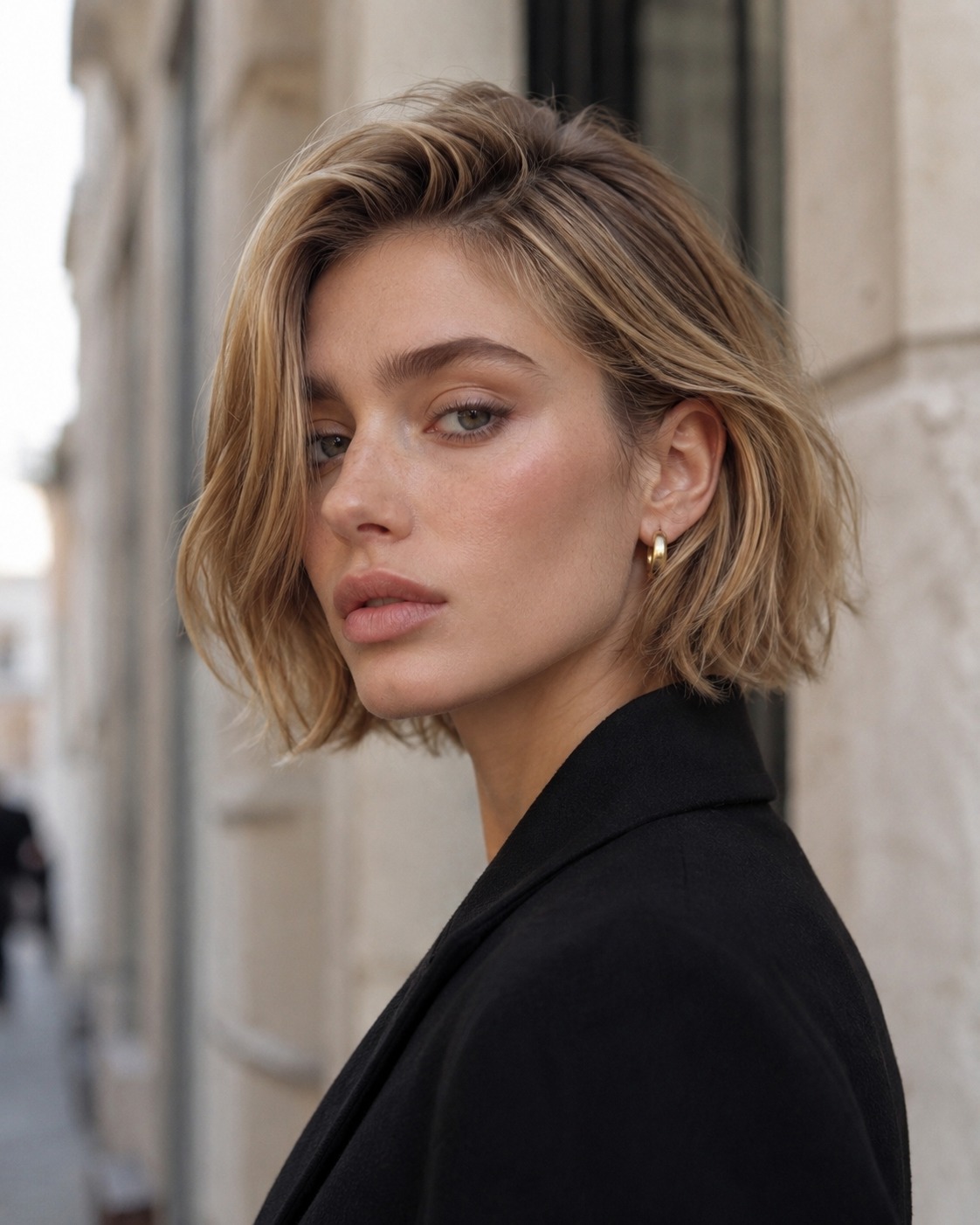
That flexibility is one of the reasons the Italian bob has stayed relevant while so many other short haircut trends have come and gone.
Which Face Shapes Suit an Italian Bob Haircut?
The good news is that the Italian bob can work on most face shapes. The trick is adjusting the length and parting.
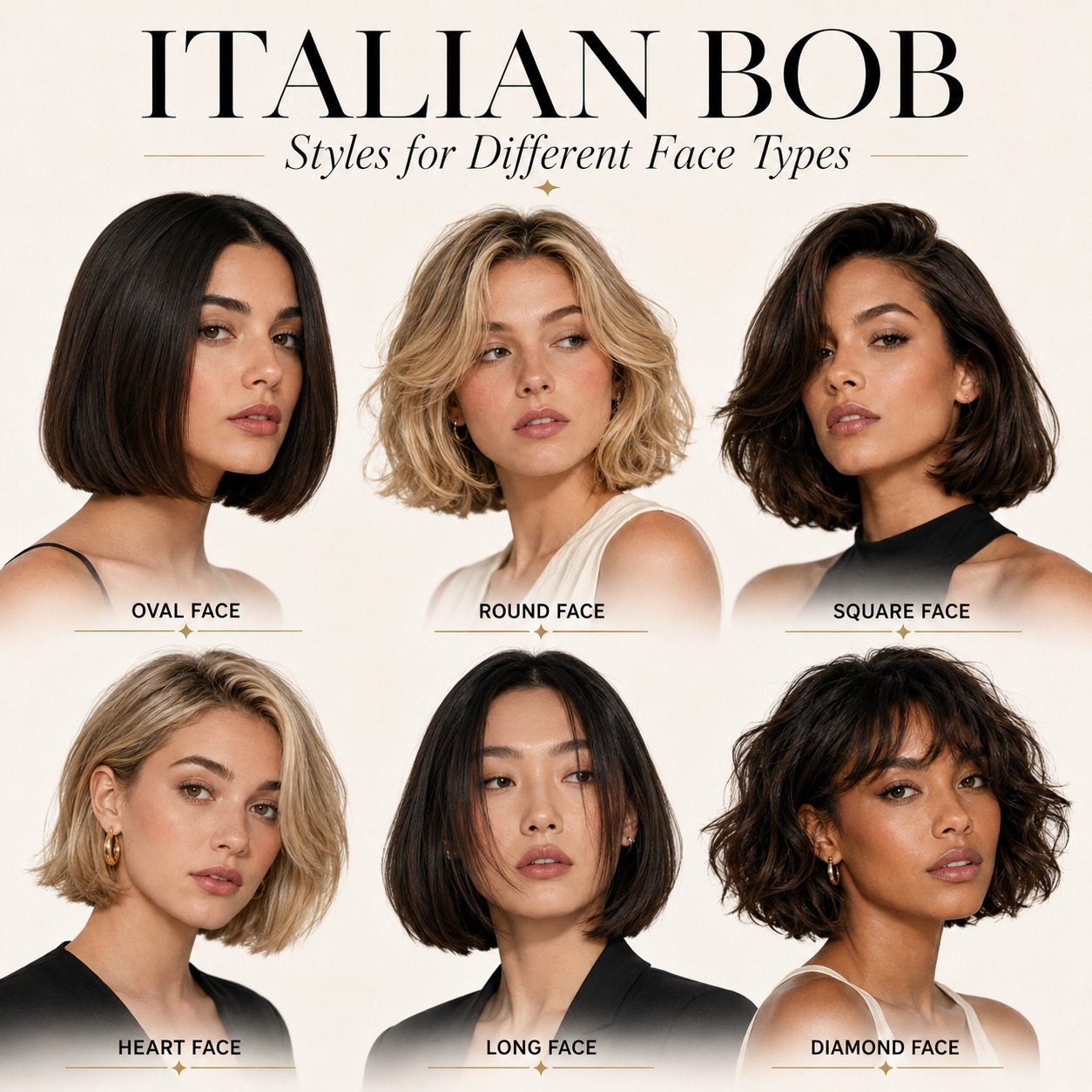
Oval faces
Oval faces can wear almost any version of the Italian bob.
A true chin-length cut works beautifully, while a centre or side part can both look balanced. If you have an oval face, you can also experiment more with volume and stronger, blunt ends.
Round faces
For round faces, try keeping the bob slightly longer, ideally just below the chin.
A deep side part and some height at the crown can help visually lengthen the face. Avoid too much width directly at cheek level if you want a more elongated effect.
Square faces
A softer Italian bob works particularly well on square face shapes.
Ask for subtle movement around the jaw rather than an extremely blunt line. Slight bends or loose waves can soften strong angles and make the cut feel less severe.
Heart-shaped faces
Heart-shaped faces usually look great with a fuller bob because the volume around the jaw helps balance a wider forehead.
A chin-skimming length is especially flattering, and a side part can soften the overall shape.
Long faces
If your face is long, avoid stretching the bob too far below the chin.
A shorter, fuller shape with volume at the sides can add width and create better balance. A soft fringe can work beautifully too.
What Hair Types Work Best?
The Italian bob looks particularly striking on hair that naturally has some body.
- Straight hair can create a sleek, glossy version of the cut, while naturally wavy hair gives it that effortless movement almost immediately.
- Fine hair can benefit from the blunt, weightier ends because they make the hair appear denser.
- If your hair is very thick, ask your stylist for some internal weight removal so the bob does not become too triangular or bulky.
- Curly hair can also work, but the cut needs to be shaped specifically around the curl pattern rather than treated like a straight bob.
Different Variations of Italian Bob Haircut
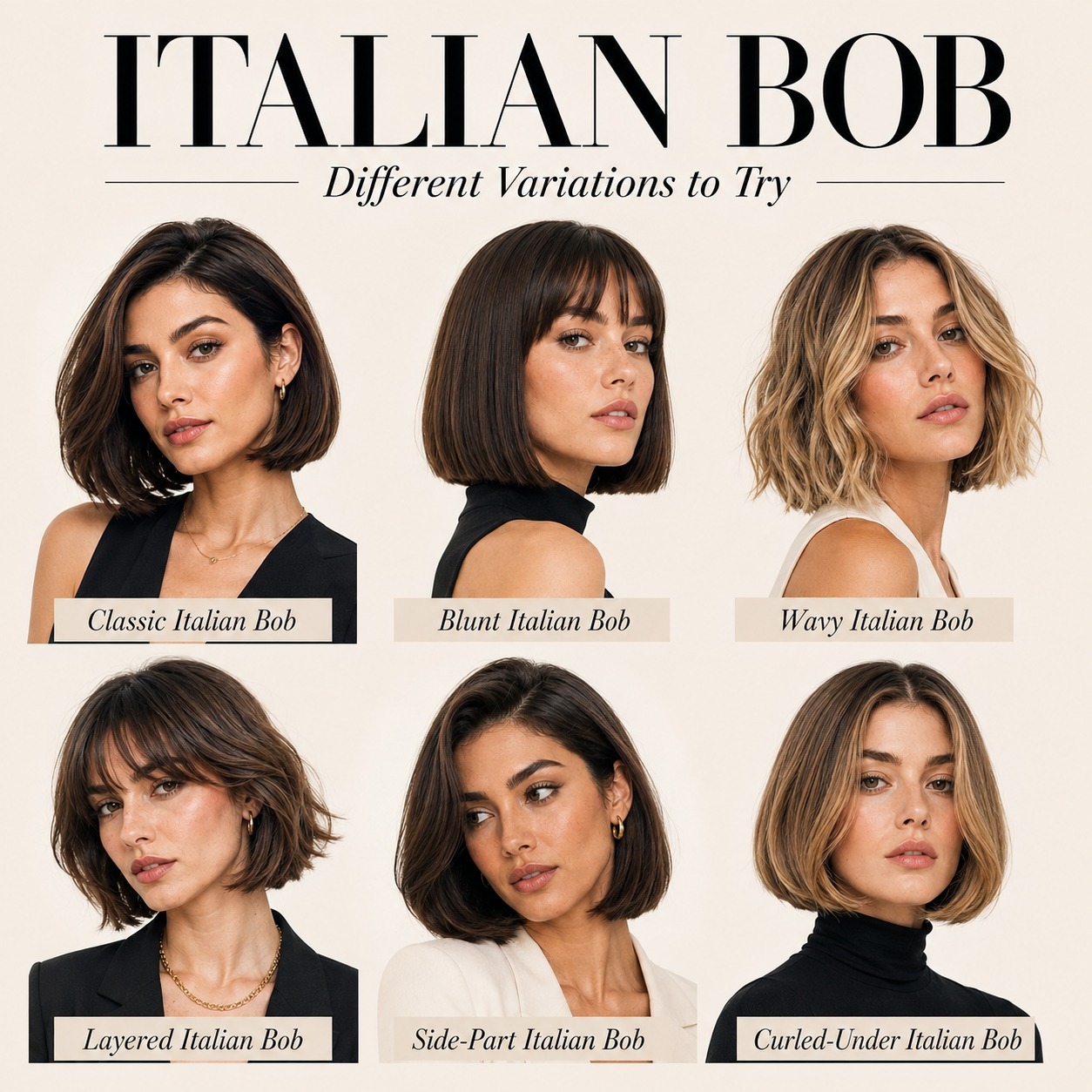
1. Classic Italian Bob
The classic Italian bob usually sits around the chin with soft fullness through the ends. It feels polished but not too perfect, with enough movement to keep the shape relaxed and feminine.
2. Blunt Italian Bob
This version has a stronger, cleaner edge with minimal layering. The blunt finish makes the hair look thicker and more structured, so it works especially well for anyone who wants a sharper, more graphic bob.
3. Wavy Italian Bob
Soft waves give the Italian bob a more effortless finish. The shape still keeps its fullness, but the texture makes it feel softer, more casual and a little more romantic.
4. Layered Italian Bob
Subtle layers add movement without taking away the signature weight of the cut. This version is useful for thicker hair or anyone who wants a lighter, more flexible bob with extra shape around the face.
5. Side Part Italian Bob
A deep side part instantly gives the Italian bob more volume and drama. It is a great option if you want extra lift at the roots or a slightly more glamorous, asymmetrical finish.
6. Curled Under Italian Bob
Here, the ends are softly turned inward to create a rounded, sculpted shape. It has a polished, almost vintage feel and works beautifully when you want the bob to look smooth, glossy and very put together.
How to Style an Italian Bob Haircut
The beauty of this haircut is that it does not need to look overly styled.
- For the classic look, start with a volumising mousse or root-lifting spray, then blow-dry using a round brush. Lift the roots and slightly curve the ends inward or outward depending on the finish you want.
- A deep side part instantly adds drama and volume.
- For something more relaxed, let the hair air-dry until it is almost dry, then add a little texture with your fingers. A lightweight texturising spray can help create movement without making the hair crunchy.
- If you prefer a sleek version, use a smoothing cream before blow-drying and finish with a small amount of shine serum through the ends.
- The important thing is not to flatten it too much. The Italian bob is supposed to have life.
Celebrities Who Have Worn the Italian Bob Haircut
One of the best things about this haircut is how differently celebrities have interpreted it.
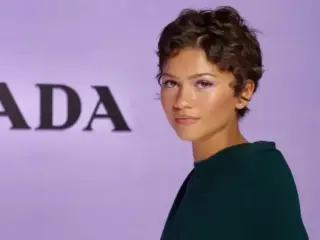
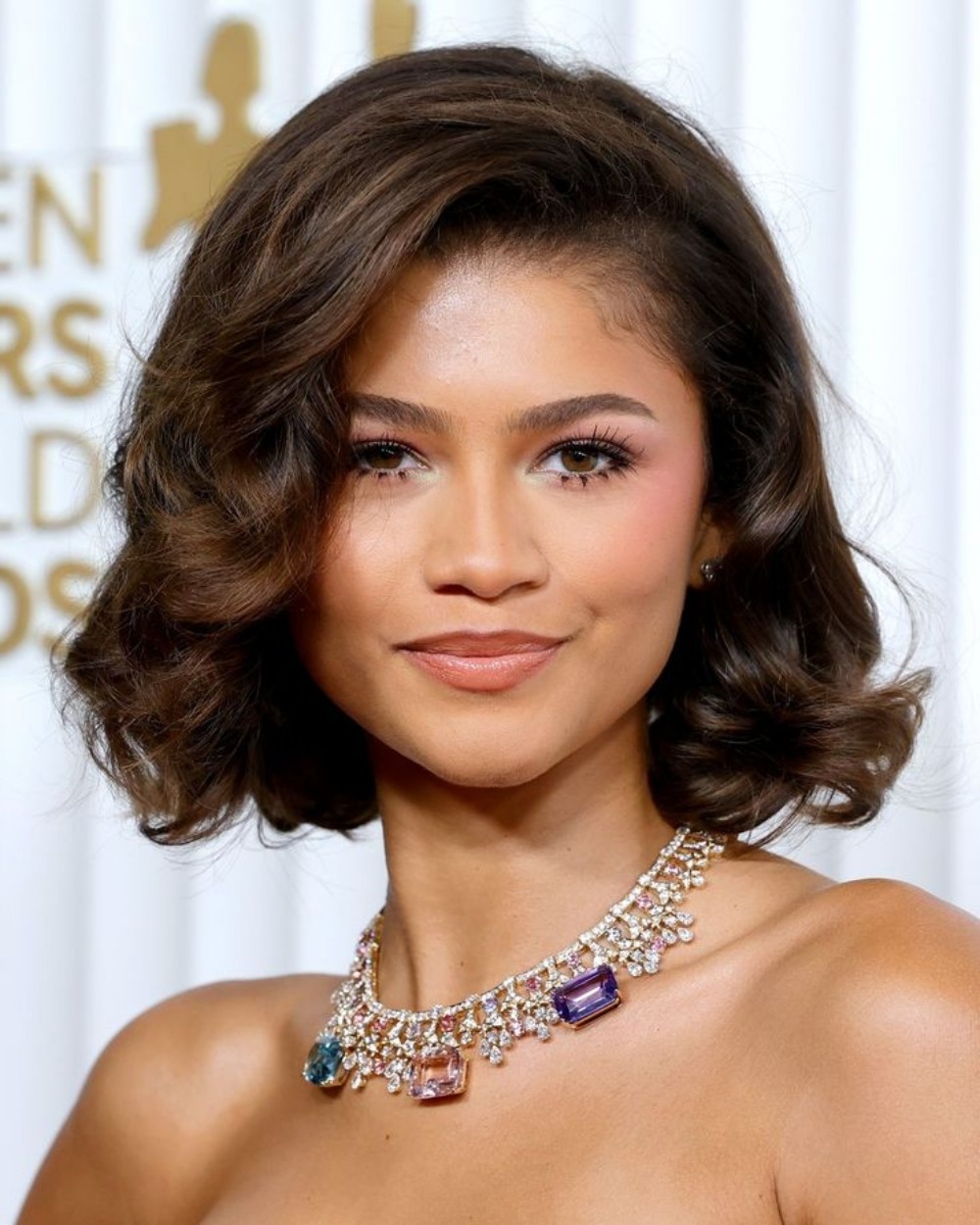
- Zendaya has worn a glossy, Old Hollywood-inspired version with a deep side part and plenty of shine.
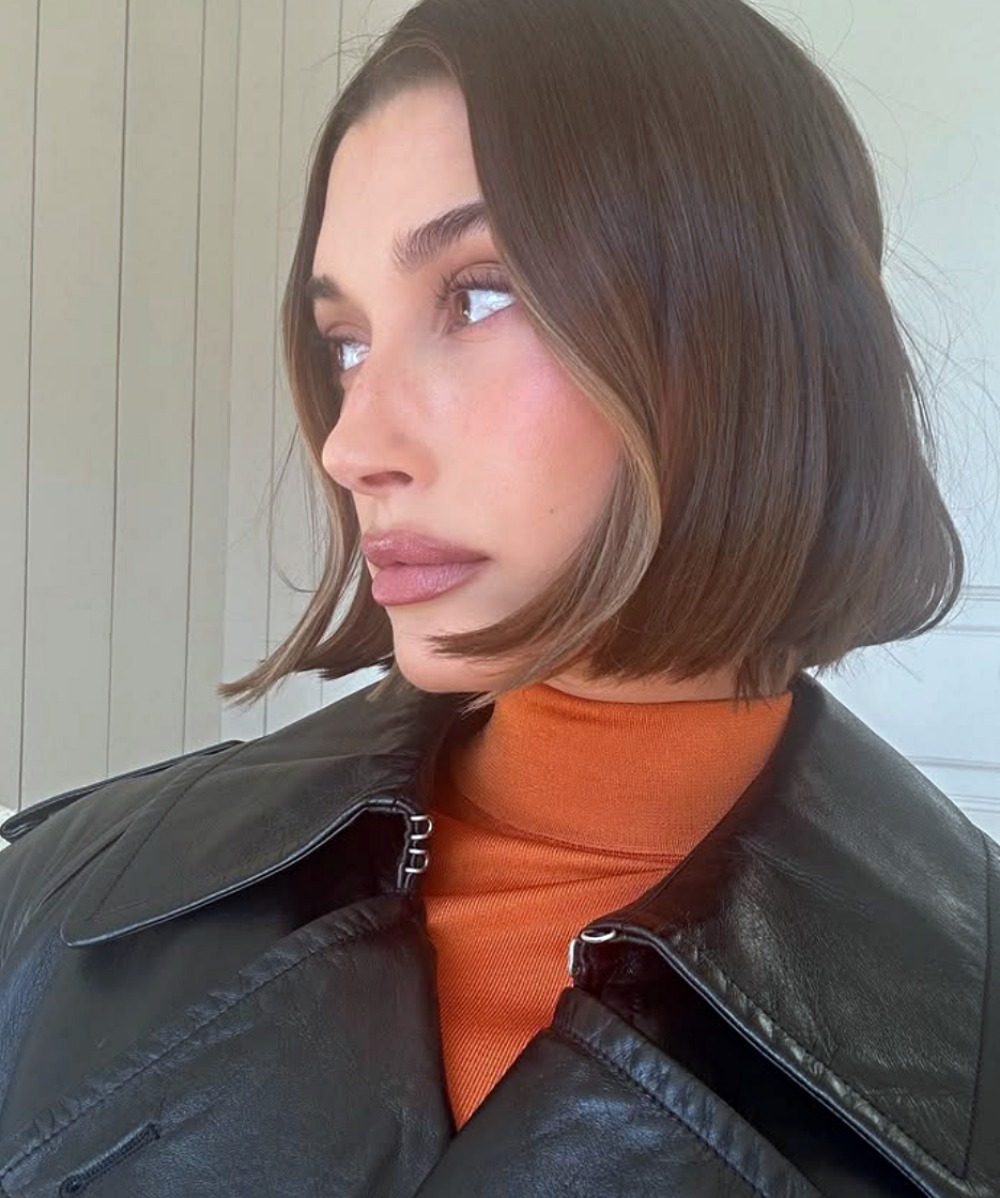
- Hailey Bieber has shown how clean and minimal the cut can look.
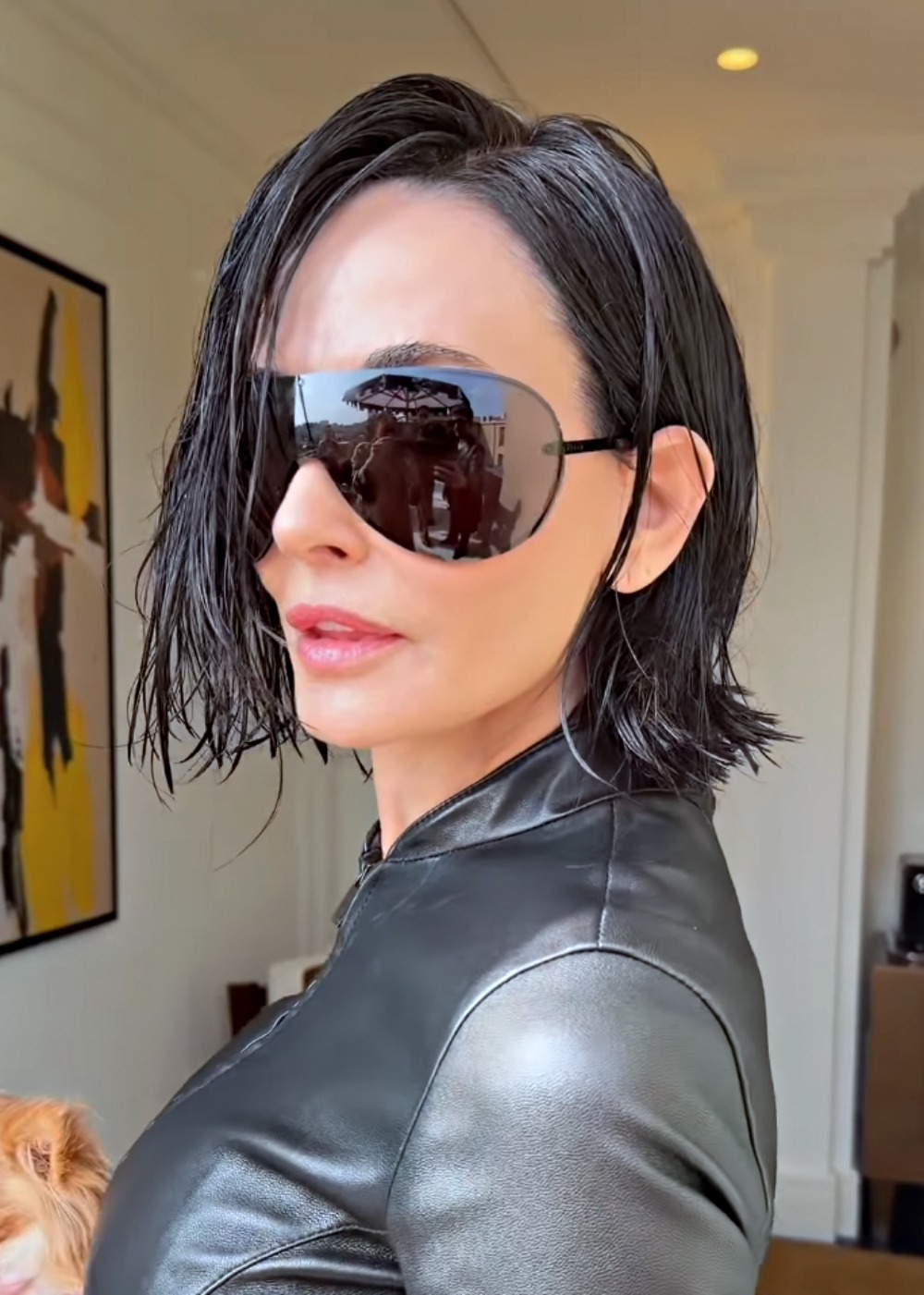
- Demi Moore debuted an Italian bob at Milan Fashion Week in February 2026, swapping her famously long hair for a chin-length, side-parted wet-look bob.
- Simona Tabasco has worn a fuller, more glamorous version that feels very close to the original Italian inspiration.
- Rita Ora has opted for a more textured, undone finish, while model Elsa Hosk has worn the style with dramatic root volume and sweeping layers.
- Vogue has also highlighted Italian bob looks on Aubrey Plaza, Laura Harrier, Kourtney Kardashian Barker and Rachel Zegler, showing just how adaptable the cut can be.
What to Ask Your Hairstylist For
Do not simply walk into the salon and ask for “a bob.”
Ask for a chin-skimming or slightly longer bob with fullness through the ends, subtle layers for movement and a shape that can be worn with volume. Bring reference pictures too.
The ideal length can vary by just a centimetre or two depending on your jawline, neck length and hair texture, so a good stylist should adjust the cut rather than copy a celebrity photo exactly.
Is the Italian Bob Haircut High Maintenance?
Not particularly, but it does need regular trims. Because the shape depends on strong ends, you will probably want a trim every six to eight weeks if you want to keep the silhouette looking fresh.
The upside is that everyday styling can be quite simple. A good blow-dry, a little volume at the roots and some movement through the ends are usually enough. That is really the charm of the Italian bob.
It looks considered, but not overworked. Glamorous, but still wearable. And whether you style it sleek, tousled or full of volume, it has that rare ability to make a simple haircut feel instantly more expensive.