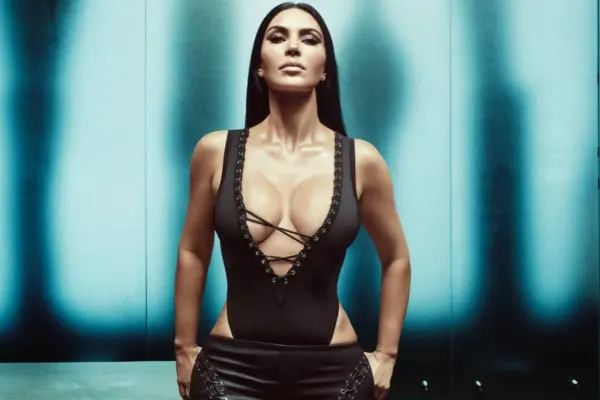
John Galliano’s first collection for Zara begins with a question: what happens when familiar clothing is taken apart and allowed to become something else?
The answer is Re{form}, a genderless collection authored by the couturier and built from Zara’s own fashion memory. It is not presented as a conventional collaboration, nor does it rely on obvious branding. Instead, Galliano enters into a conversation with Zara’s archives, studying archetypal garments and accessories before disrupting their original purpose.
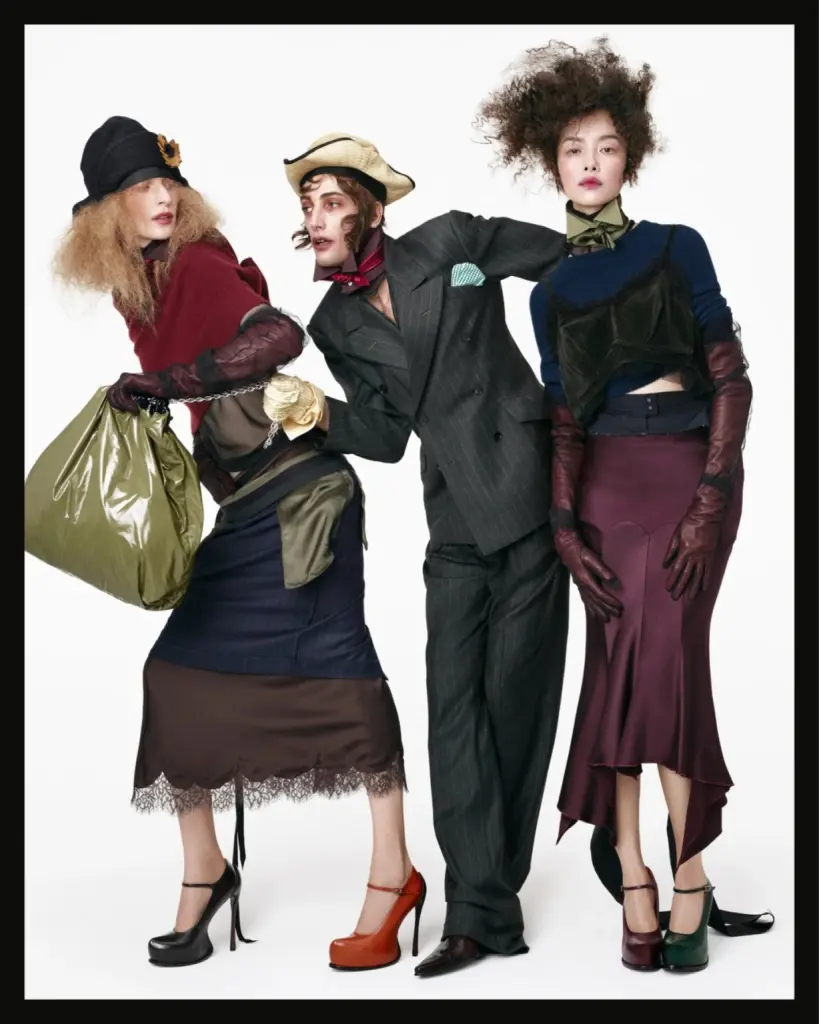
The result is a collection about transformation. Coats, shirts, trousers, dresses and lingerie inspired pieces are stripped back, reconstructed and reproduced in new materials. What looks familiar at first glance soon reveals a more complicated construction.
Taking the lining out
Galliano’s approach begins with the inside of the garment. He noticed how many pieces were controlled by their linings, which restricted the natural movement of the fabric. By removing them, he allowed the clothes to recover their authentic stretch and fall.
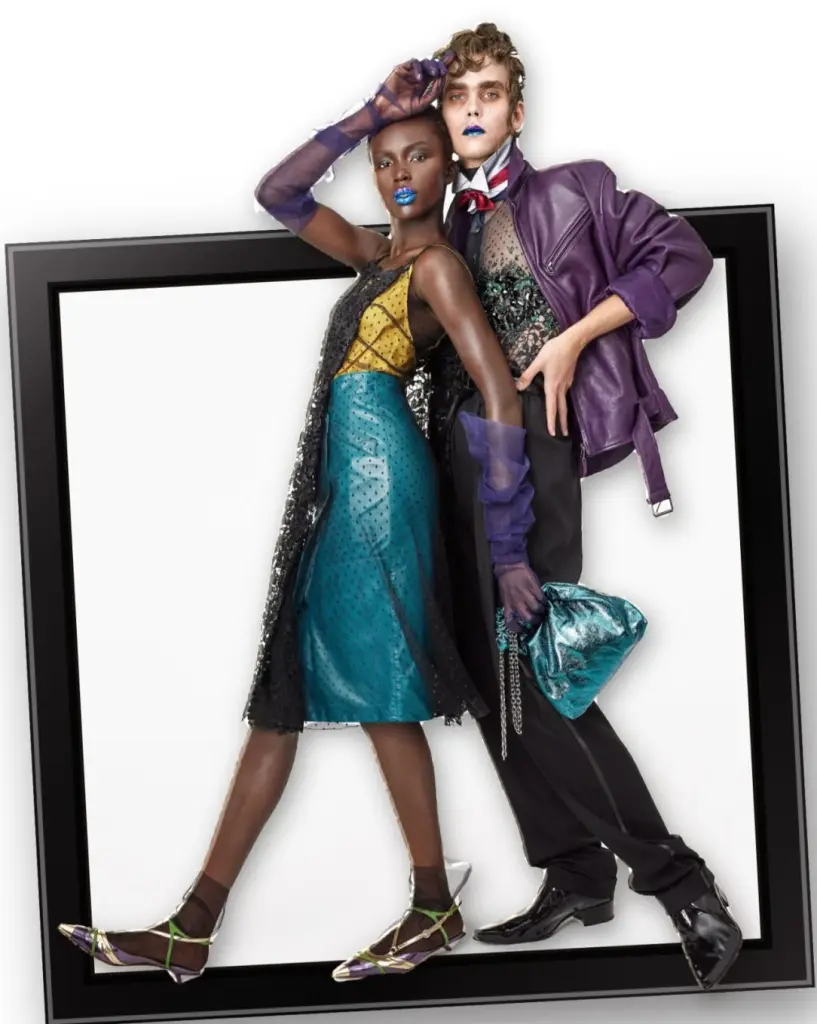
This small act becomes one of the collection’s central ideas. The garments are not polished into perfect submission. They are loosened, exposed and encouraged to move differently. The absence of a lining breaks down the original line, giving the clothes a more fluid silhouette and an almost unfinished energy.
It is a distinctly Galliano gesture. The designer finds drama in construction, but also in deconstruction. A garment becomes more expressive when its internal rules are made visible.
From memory to re-authorship

The collection’s philosophy is summed up in its own language: “Authored by Couturier John Galliano. Built from our memory, made for now.”
That memory belongs to Zara’s archive, but Galliano does not treat it as something to be preserved behind glass. Existing garments are taken apart, examined and reimagined. This is not simple reuse. It is re-authorship.
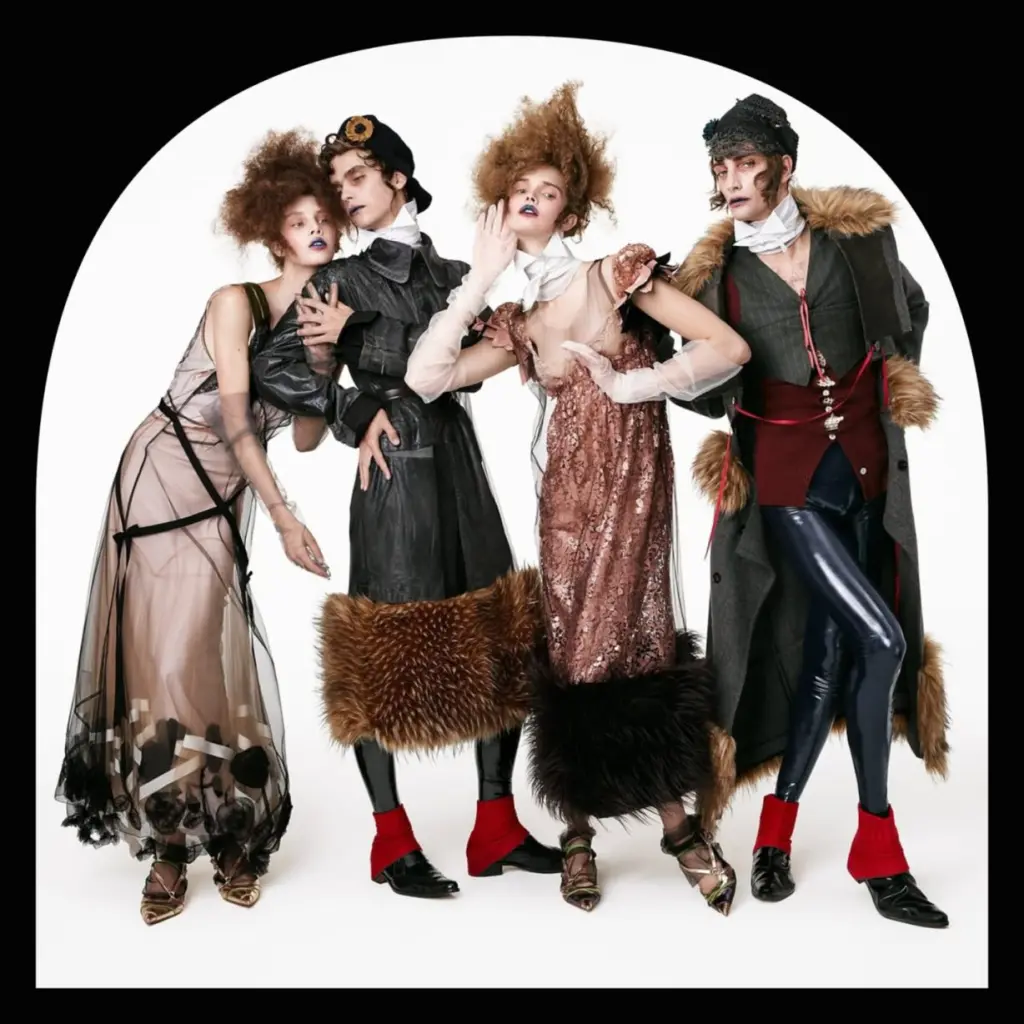
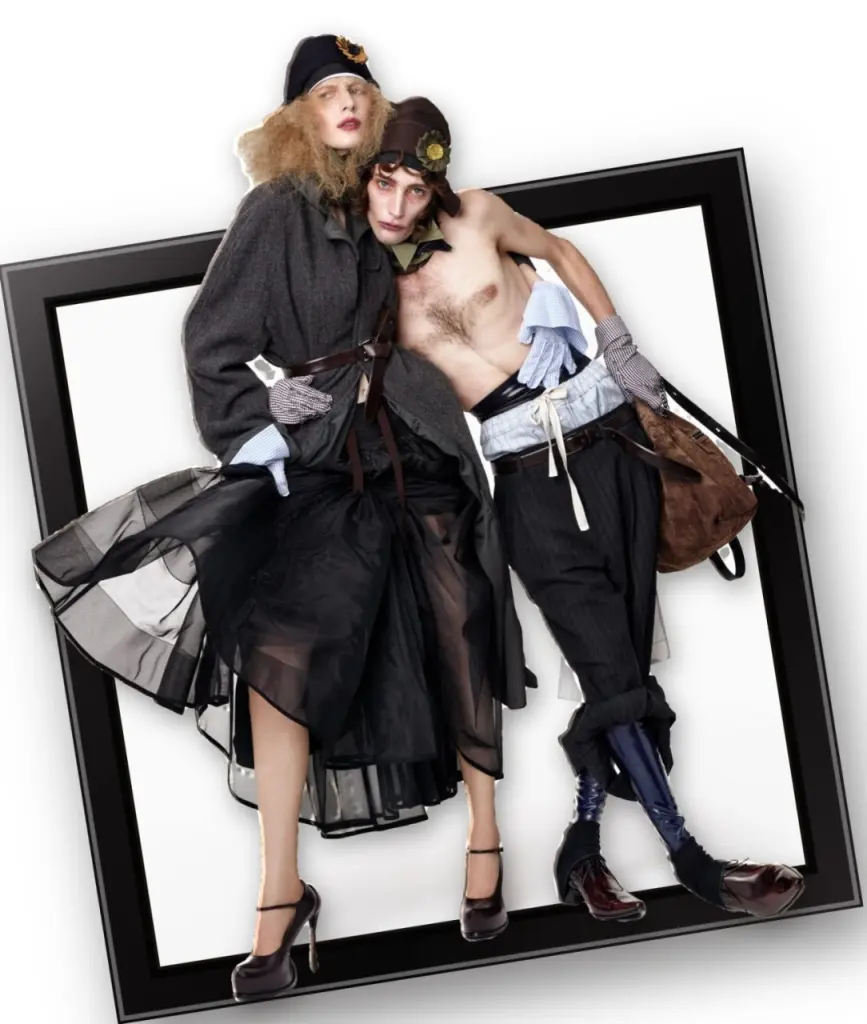
A shirt can become outerwear. A slip dress can gain a sculptural neckline. A coat can be altered through extended lapels, displaced pockets and an elongated hem. Trousers are reshaped into more historical, high-waisted silhouettes, while familiar tailoring takes on a theatrical new proportion.
History with a rebellious pulse
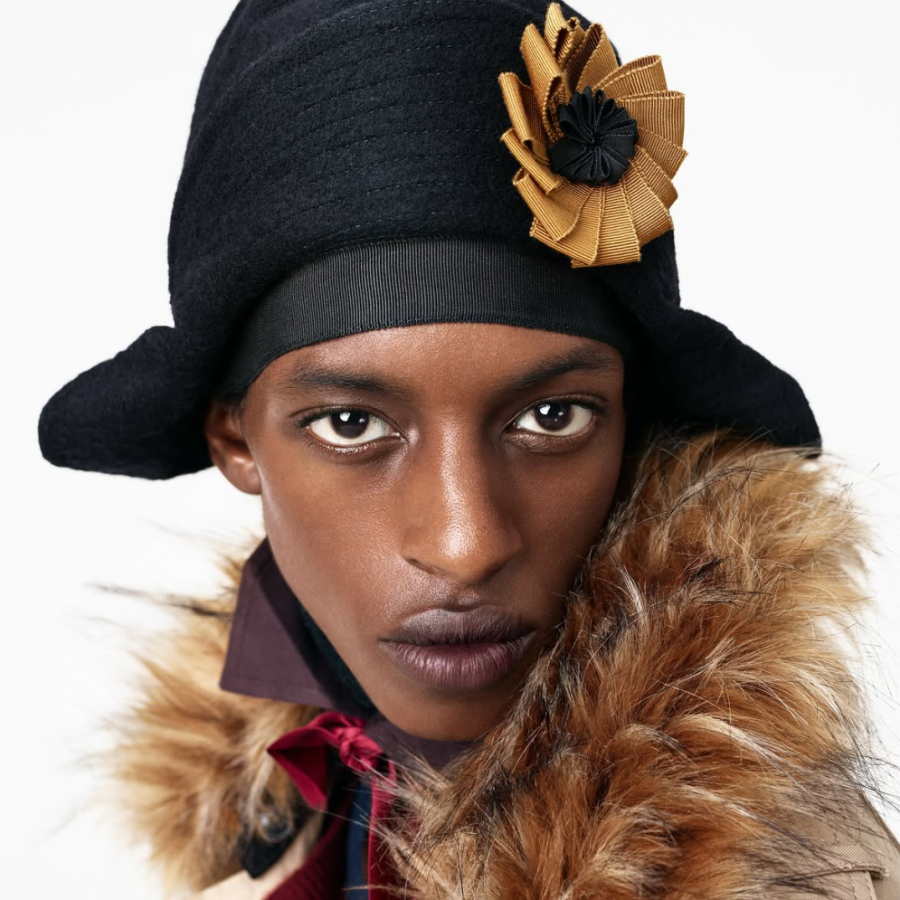
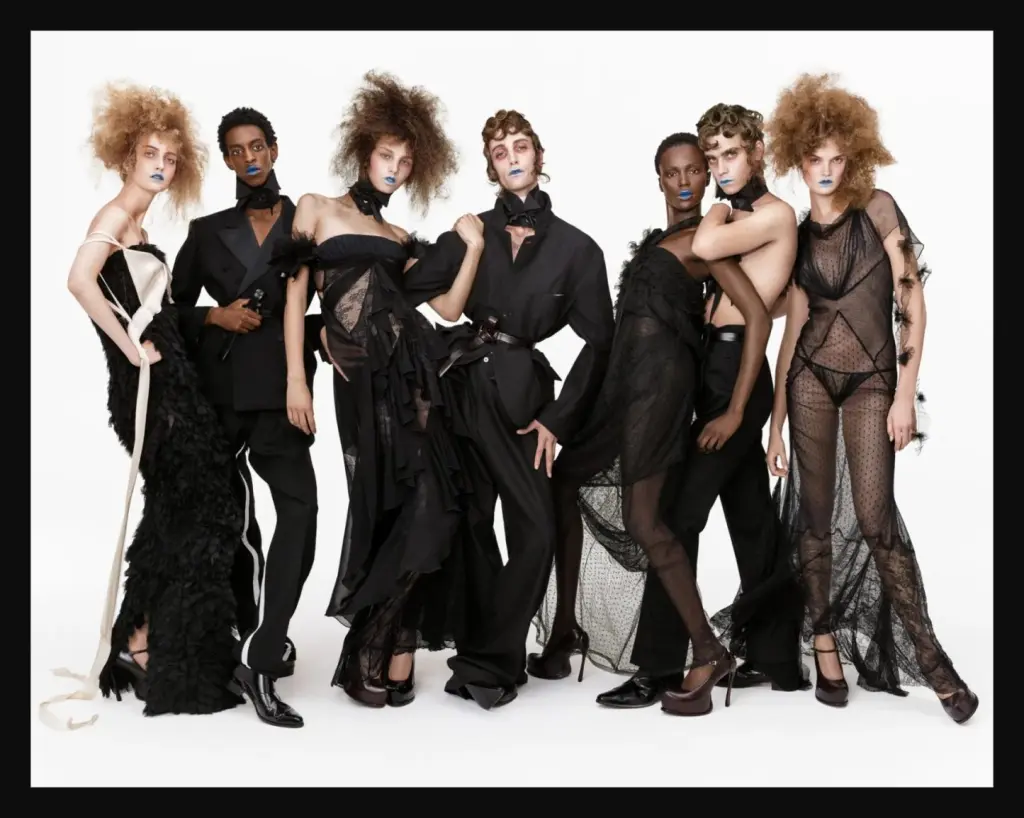
That historical influence appears through cropped tailcoats, dramatic collars, high waists, sculpted jackets and oversized headwear. Yet the collection does not feel trapped in period costume. Galliano mixes these references with sheer layers, lingerie details, vinyl, faux fur, platform shoes and modern streetwear styling.
The past becomes a starting point rather than a destination.
A wardrobe without a fixed identity
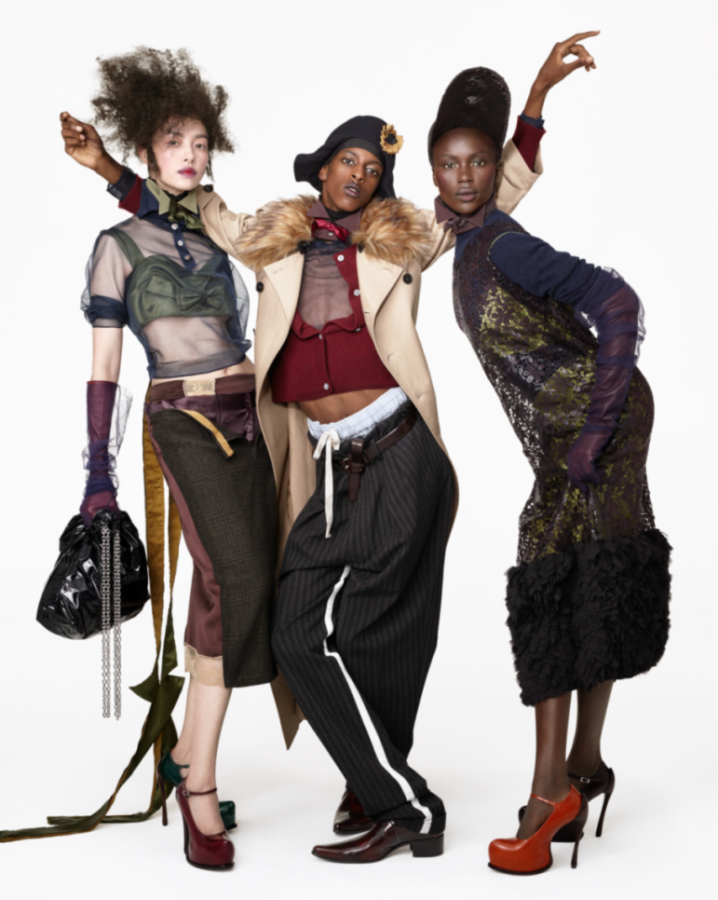
The collection also plays with disruption. Clothing appears turned inside out, stretched, enlarged, reduced or placed slightly out of balance. The styling embraces this topsy turvy quality, creating silhouettes that feel intelligent but never overly serious.
There is humour here too. Galliano has always understood that fashion can be theatrical without losing its wearability. Re{form} carries that same spirit, allowing the clothes to be dramatic while remaining connected to the everyday wardrobe.
The Meisel effect
Steven Meisel’s campaign reinforces the collection’s cinematic mood. His images turn the garments into characters, giving the clothes a sense of narrative and tension. They do not look like simple retail pieces. They look like fragments from a larger fashion story.
That is ultimately what makes Re{form} compelling. It does not present Zara as a blank canvas or Galliano as a designer simply adding his signature to existing products. It presents the exchange itself as the creative idea.
What once existed is taken apart, not to be preserved, but to be understood. Between structure and collapse, past and present, the collection refuses a fixed identity or a final form.
Everything is in the process of becoming.