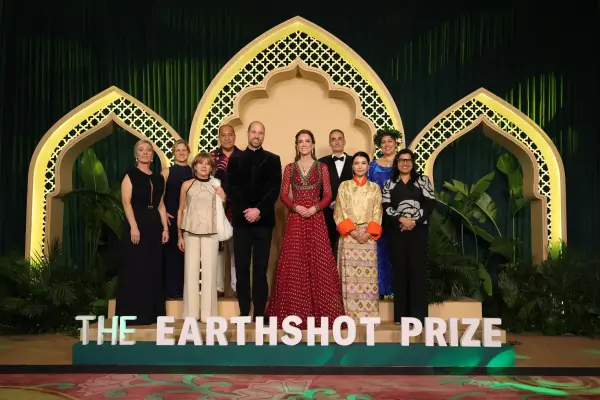
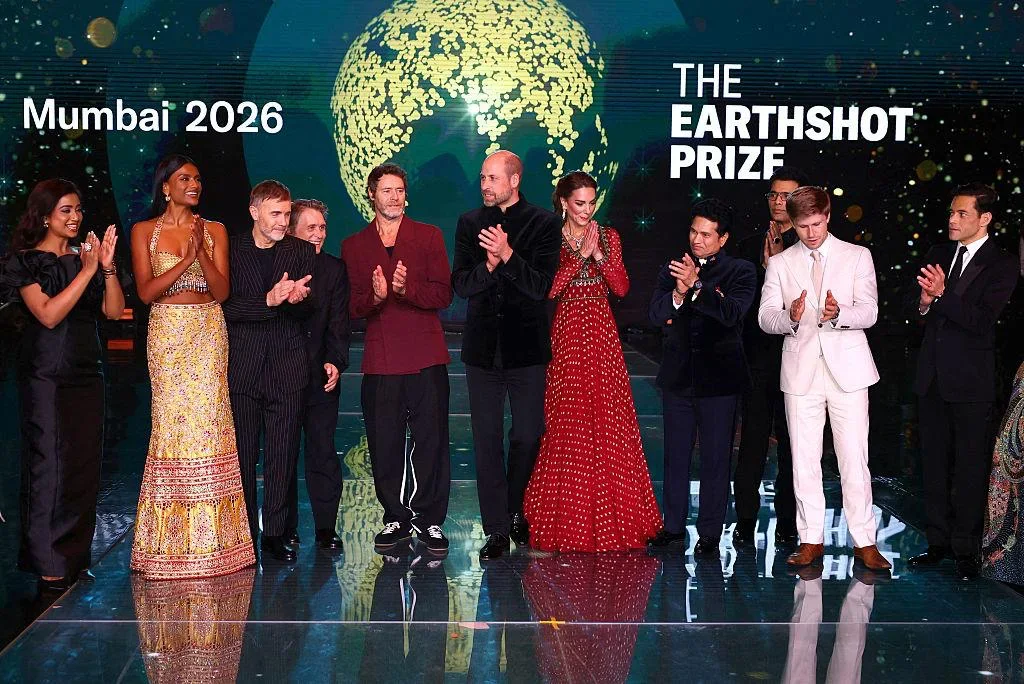
The Earthshot Prize came to Mumbai with a powerful message: our planet needs urgent action, bold ideas and people willing to make a difference.
Founded by Prince William, the environmental awards celebrated five remarkable winners on November 17, 2026, with each receiving £1 million to help expand solutions addressing climate change, pollution, waste and environmental conservation.
And that deserves applause.
But while watching the glamorous green carpet unfold at the Jio World Convention Centre, I couldn’t help noticing some uncomfortable contrasts between the evening’s message and its presentation.
The elaborate couture, international celebrity arrivals, grand venue and spectacular production made for a wonderful visual celebration. But for an event dedicated to saving the planet, shouldn’t sustainability be visible in more than the speeches and awards?
To be fair, the Earthshot Prize has incorporated sustainable practices into previous ceremonies, and Kate Middleton championed outfit repeating during her Mumbai visit. The question is whether the 2026 event could have made its sustainability choices more visible, measurable and central to the celebration.
Here are five approaches I would have loved to see take centre stage.
1. A Green Carpet That Celebrated Rewearing, Not Just New Couture
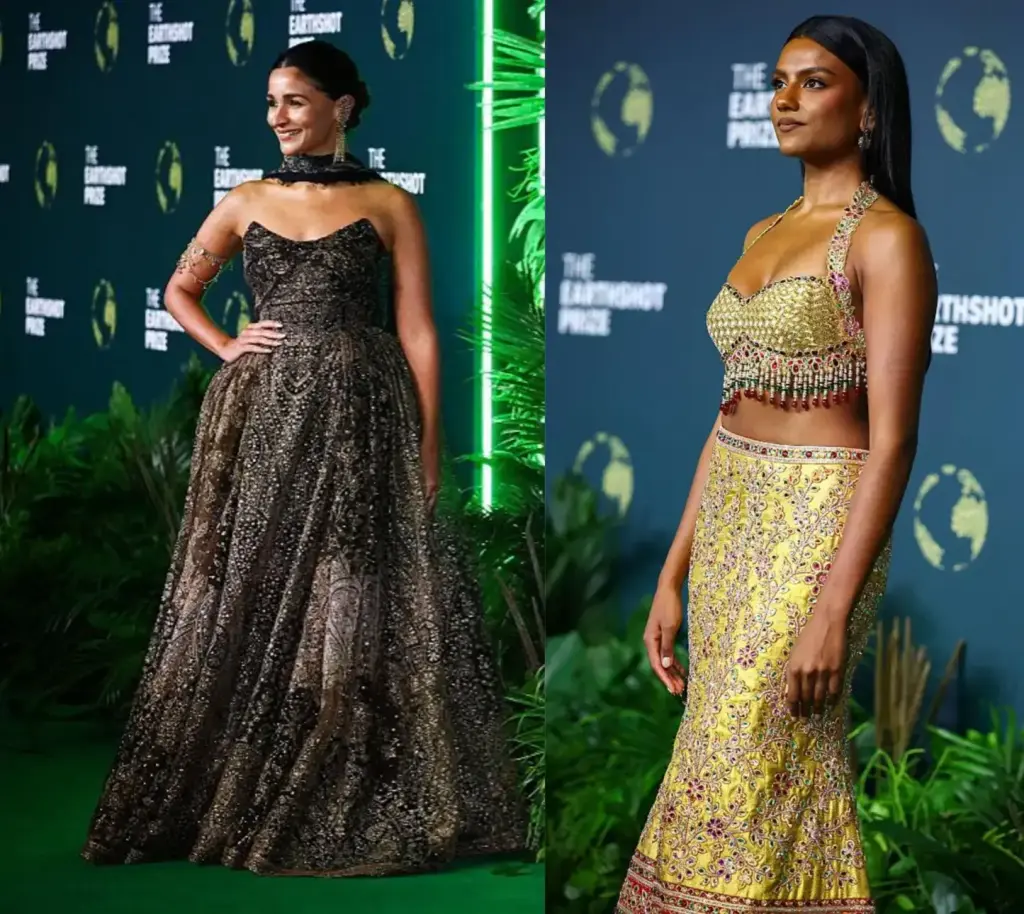
Let’s begin with the fashion, because this is where the irony becomes particularly interesting.
The Earthshot green carpet looked every bit as glamorous as an international awards ceremony. We saw beautifully embroidered gowns, sculptural silhouettes, custom creations, elaborate jewellery and plenty of designer labels.
But when the evening is dedicated to environmental responsibility, shouldn’t the fashion itself tell a stronger sustainability story?
I’m not suggesting everyone needed to arrive in plain cotton outfits. Sustainable fashion can be spectacular, luxurious and imaginative.
Imagine if celebrities had been encouraged to wear archival couture, repeat a favourite designer outfit, rent their gowns or commission looks from existing fabrics.
Better still, imagine each celebrity being asked one simple question on the green carpet: What makes your outfit sustainable?
We might have heard fascinating stories about inherited jewellery, garments passed between generations, revived textiles and traditional Indian craftsmanship.
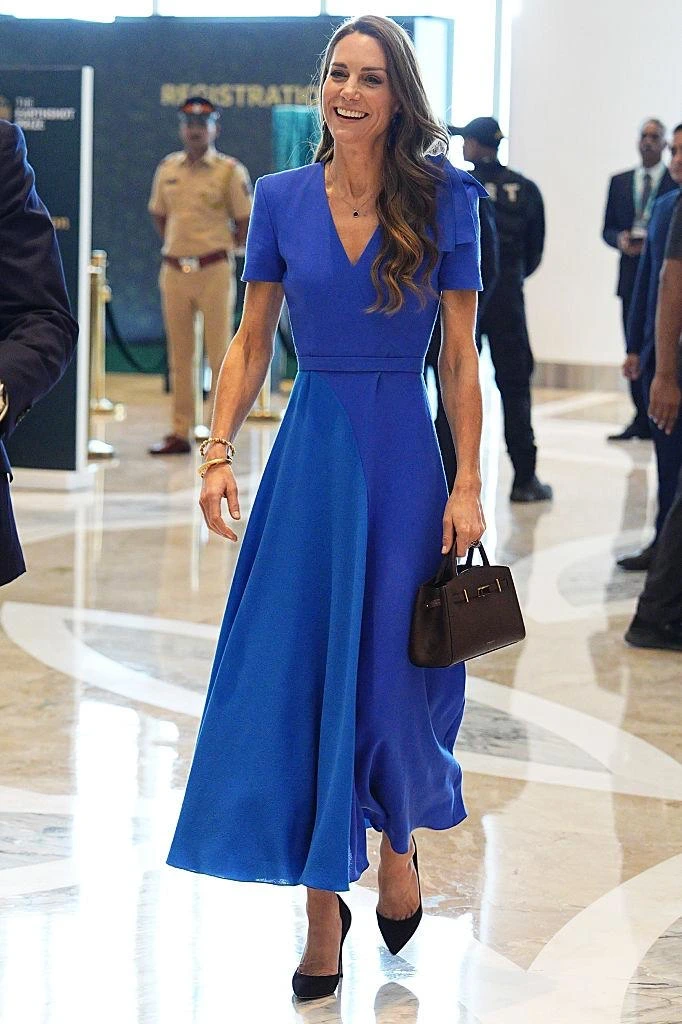
Kate Middleton offered an encouraging example earlier during her Mumbai visit, rewearing a blue Roksanda dress and carrying a bag made using rice-straw-based material. She did, however, choose a newly made Mahima Mahajan outfit for the ceremony itself.
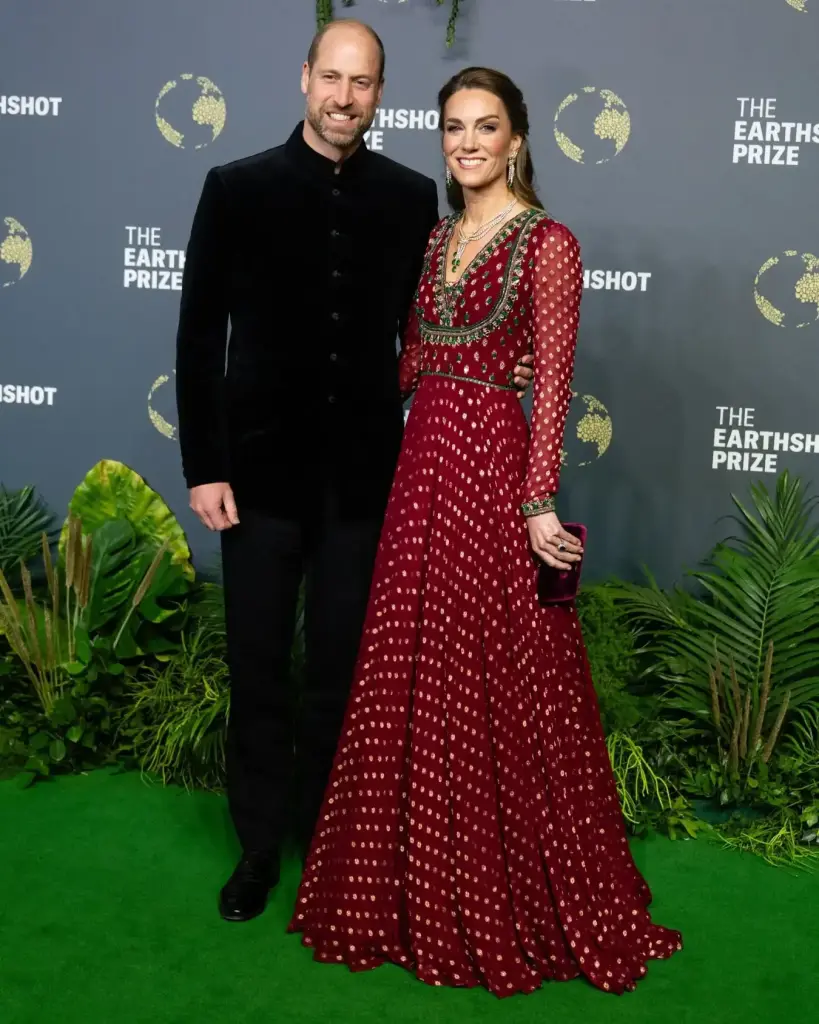
What I wish I’d seen: A public fashion challenge asking every attendee to explain the origin, materials and intended future life of their outfit.
2. A Venue Choice That Didn’t Raise Environmental Questions

This is perhaps one of the more uncomfortable aspects of the event.
The awards took place at the Jio World Convention Centre, part of the Reliance Industries business ecosystem.
Before the ceremony, environmental campaigners questioned the choice because of Reliance’s substantial fossil fuel interests and separate concerns surrounding the Ambani family’s Vantara wildlife initiative.
The Guardian reported on these criticisms on November 8, before the awards took place.
Earthshot defended the decision, explaining that the venue offered the capacity, facilities and technical infrastructure required for a major international event. The organisation also pointed out that the centre had hosted Mumbai Climate Week.
And that’s a fair logistical consideration. A large event needs a venue capable of accommodating it.
But isn’t this exactly where an environmental award should be particularly transparent?
The issue isn’t simply who owns the building. It’s the environmental standards used to select it, the electricity consumed, the resources required and the measurable impact of staging the ceremony.
What I wish I’d seen: A publicly available venue sustainability assessment detailing energy sources, water consumption, waste management and the reasons behind the final selection.
3. Less Red Carpet Travel, More Low-Carbon Mobility
An international awards ceremony naturally brings together people from different countries. That global exchange can be important, especially when it connects environmental innovators with investors, policymakers and supporters.
But international travel also creates emissions, particularly when guests fly long distances for a relatively short appearance.
And when the purpose of the gathering is to encourage environmental action, those journeys deserve closer scrutiny.
Perhaps the most fitting irony is that India’s Mahindra Last Mile Mobility won the Clean Our Air award for its work in electric transportation.
Imagine if the same philosophy had shaped the entire guest experience.
Electric vehicles could have been prioritised for official transfers, with shared transport replacing individual luxury arrivals wherever practical. International participation could have been designed to maximise the value of each journey, with longer programmes rather than brief appearances.
There were positive examples during Earthshot Week. Prince William and Kate Middleton travelled on the Mumbai Metro, helping bring attention to public transport.
What I wish I’d seen: A guest travel policy, greater use of shared electric transport and a published estimate of the event’s travel-related emissions.
4. A Spectacular Stage That Leaves Behind Almost Nothing
Award ceremonies thrive on spectacle. Elaborate stages, dramatic lighting, giant screens, floral arrangements and beautifully designed installations help create an unforgettable experience.
But what happens to all of it when the last guest leaves?
That is the question I wish more major events would answer.
For an awards ceremony celebrating a waste-free world, the most exciting achievement would be a production designed to generate as little waste as possible.
Imagine a stage constructed entirely from reusable modular components, rented rather than newly purchased furniture, repurposed decorations and flowers donated or composted after the event.
Even the green carpet itself could become part of the story if its materials, reuse plans and eventual disposal were documented.
Earthshot has previously reported on the environmental footprint of its operations and events, so accountability is not a foreign concept to the organisation.
But I’d love to see those environmental achievements communicated as enthusiastically as the celebrity arrivals.
What I wish I’d seen: A behind-the-scenes sustainability report showing exactly how much material was reused, how much waste was generated and what happened to the event installations afterwards.
5. More Spotlight on the Innovators, Not Just the Celebrities
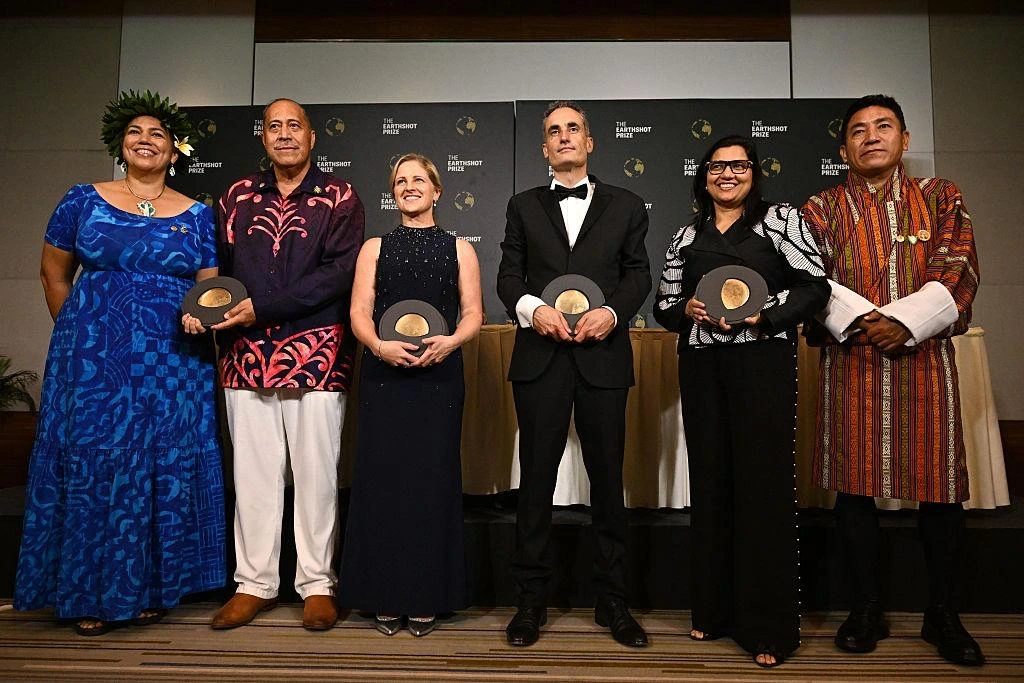
And finally, perhaps the most important point.
The Earthshot Prize attracted a wonderful gathering of global personalities, including Alia Bhatt, Sonam Kapoor, Rami Malek, Simone Ashley and several other familiar faces.
There’s nothing wrong with that. Celebrity involvement can attract audiences who might otherwise never follow an environmental awards ceremony.
But I couldn’t help wondering whether the environmental innovators were receiving the same level of attention as the fashion.
How many people who saw Kate Middleton’s stunning red Anarkali or Alia Bhatt’s gown could name even two of the five winning projects?
We spent plenty of time discussing the silhouettes, jewellery, designers and beauty looks. But how much space was devoted to understanding the solutions that actually won?
Earthshot did provide a platform for finalists, investors and environmental leaders through its wider summit and Impact Assembly, so the ceremony wasn’t merely a celebrity gathering.
Yet there is an opportunity to bring those innovators closer to the centre of mainstream entertainment coverage.
Imagine every major celebrity arriving with an Earthshot finalist, introducing their work to the cameras and explaining why their environmental solution matters.
Now that would be a green carpet conversation worth having.
What I wish I’d seen: More celebrity and innovator partnerships, live demonstrations of winning technologies and stronger public storytelling around the projects themselves.
The Real Question: Can Sustainability and Spectacle Coexist?
I don’t believe environmental award ceremonies need to abandon glamour. Fashion, creativity and celebrity influence can be powerful ways to bring attention to causes that deserve a larger audience.
And the Earthshot Prize has a genuinely important mission. Its five 2026 winners are working on solutions that could make a real difference to our planet.
But I also believe that when an event asks the world to rethink how we live, produce and consume, its own choices deserve scrutiny.
A green carpet is a beautiful symbol. But a genuinely sustainable event needs more than green symbolism.
It needs responsible sourcing, measurable environmental impact, conscious fashion choices, thoughtful travel planning and transparent reporting.
Perhaps the next Earthshot Prize could turn those expectations into a challenge of its own.
Not just celebrating people who are changing the world, but showing us exactly how a major international event can become part of that change.
Because the most powerful environmental message isn’t always the one delivered from the stage.
Sometimes, it’s the example we set while building it.