Choosing swimwear is harder than choosing almost any other garment, because there is nothing to hide behind. The market carries an enormous range of colors, styles and prints, which makes the choice harder rather than easier.
The principle throughout is straightforward: choose a suit that suits your shape, shows what you want shown and covers what you want covered. How much time you have spent in a gym is not the deciding factor. The cut is.
Fabric, color and print
Fabric
Swimwear runs from shiny to matte. Choose the best stretch material you can. The closer a suit hugs the body, the better it holds your shape, and the real test comes in the water: a good fabric resists the current and stays where it should.
Color
The rule is simple and worth remembering. Dark colors conceal, light colors highlight. Use dark shades where you want less attention and light ones where you want more.
A print draws the eye directly to wherever it sits. That is useful if you place it deliberately and unhelpful if you do not.
Choosing by body shape
Pear shape
Wider hips with leaner shoulders. The aim is to move attention upward.
- Balcony tops, which shift focus from hips to chest.
- Triangle tops with strings tied behind the neck, which expose more shoulder.
- Low-waist bottoms, which make the hips read narrower.
- One-piece or retro styles with detailing that accentuates the waist.
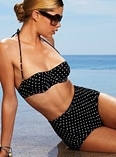
- Avoid high-waist bikinis and bottoms, which make hips and thighs look heavier.
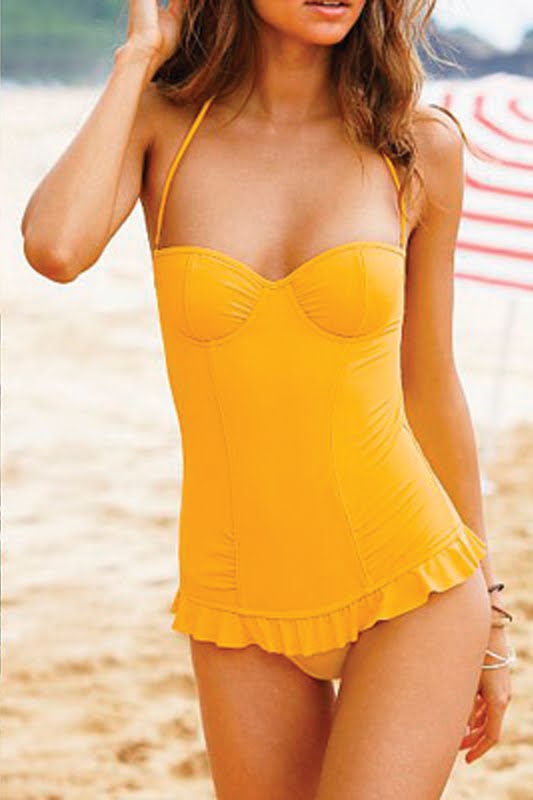
Hourglass
Hips and shoulders of similar width with a smaller waist. Almost any classic style works.
- Halter tops and triangle bikinis suit this shape best.
- One-pieces need care. Fit is everything here: a one-piece in poor stretch fabric that does not follow your curves will flatten the shape and read bulkier than you are.
- Avoid bandeau tops with a fuller bust, which flatten rather than support.
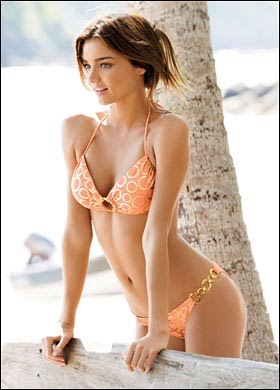
Apple shape
Broader shoulders with smaller hips. The aim is to balance the two halves by adding apparent width below.
- High-waist short bikinis, which lengthen the legs, tone the abdomen visually and widen the hips into proportion.
- Bandeaus, which flatten a fuller bust.
- V-neck bikinis, which read as more toned and proportionate.
- Avoid low-waist suits, which emphasize slim hips against wide shoulders.
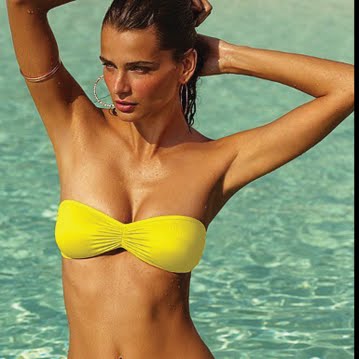
Straight or athletic shape
Shoulders, waist and hips of similar width. The aim is to build toward an hourglass line, and the approach differs depending on which part you want to emphasize.
To emphasize the bust: large prints, micro bikinis with triangular tops, lace, frills and detailing, halter and triangle tops, and cups padded beneath the seam line.
To emphasize the hips: small prints, light colors, horizontal stripes, bottoms with side tie strings, and bikinis cut high on the thigh.
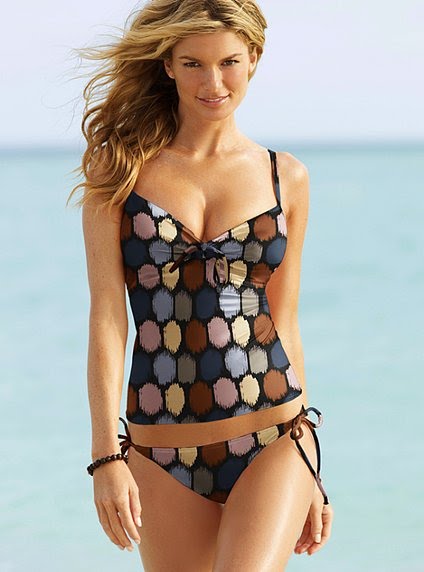
To create a waist: a tankini with a curved seam line in good stretch fabric, waist detailing, geometric shapes, a wrap-around top, or a suit with a belt dividing top from bottom. Accessories such as a chain also work.
To emphasize the shoulders: triangle bikinis, and halter tops fastening behind the neck.
To lengthen the legs and torso: a high cut on the thigh, and vertical stripes. Avoid boy shorts and skirted bikinis, both of which shorten.
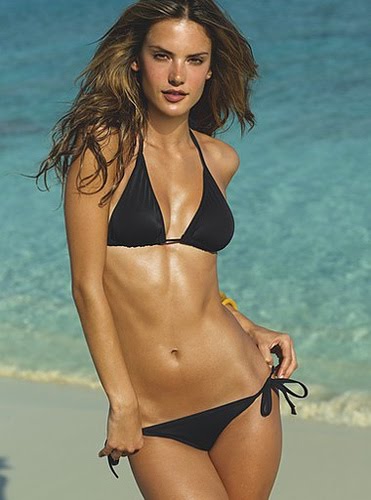
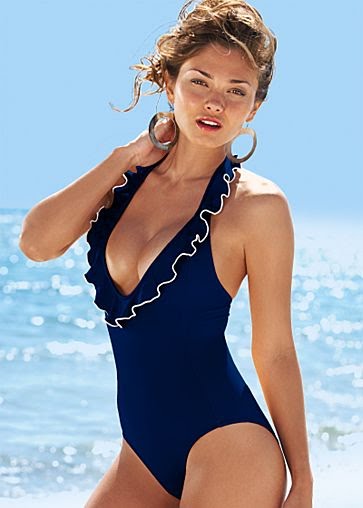
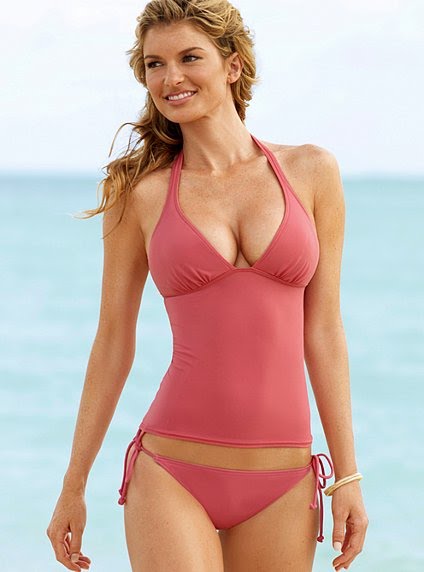
Plus size swimwear
The approach is the same as everywhere else, and it is worth stating plainly: choose the part of your body you want to show, and select the print, color and cut around that decision.
- One-piece suits, which cover and smooth.
- A deep V-neck, which lengthens the upper body.
- Balcony-shaped bikinis.
- Dark colors, which slim and elongate.
- Avoid light colors such as white and light brown, bright colors, bikini shorts, high-cut bottoms and square necklines.
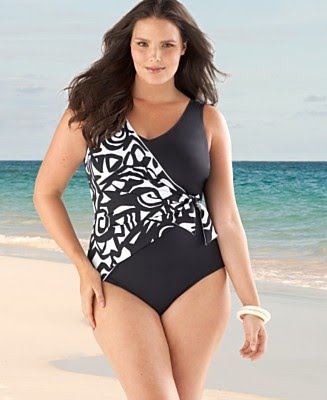
For a fuller bust
- Dark colors and vertical stripes.
- Large prints, which draw the eye away.
- A V-neck top, which elongates and reduces apparent size.
- Double halter-neck suits.
- Underwired cups, which give the support and lift a larger bust needs.
- A two-piece with one color on top and another below.
- Avoid monochrome, spaghetti straps and strapless bandeau tops.
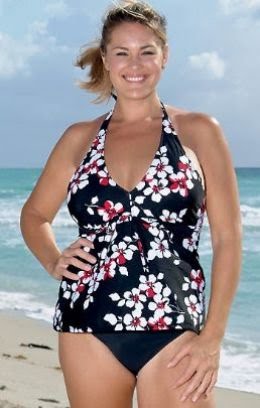
For the midsection
- Dark colors and bold patterns, with vertical or diagonal lines.
- Mix and match a dark piece with a lighter one rather than wearing monochrome.
- Large bold floral patterns, which distract from the midsection.
- A cut that accentuates the bust and separates it visually from the torso.
- A tankini, or a one-piece with draping around the waist or hips.
- Avoid horizontal stripes.
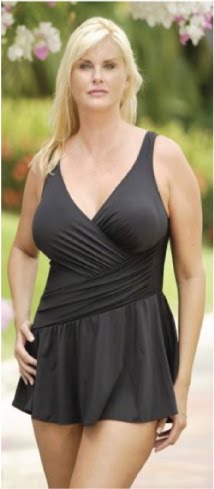
To narrow the hips
- Bold prints, which draw attention elsewhere.
- Dark colors.
- Boy shorts.
- Avoid tiny prints and small florals.
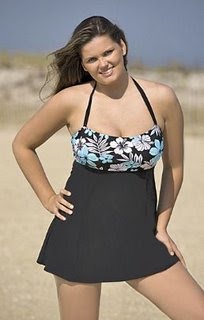
Types of swimsuit
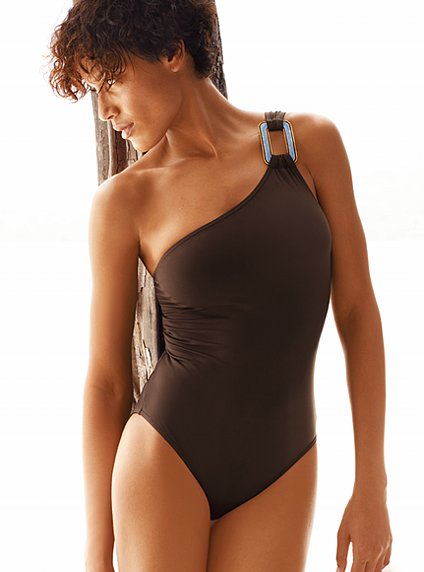
One-shoulder
A diagonal strap running across one shoulder, available as a one-piece or two-piece. The asymmetry is the appeal, and it leaves more back exposed for tanning.
Monokini
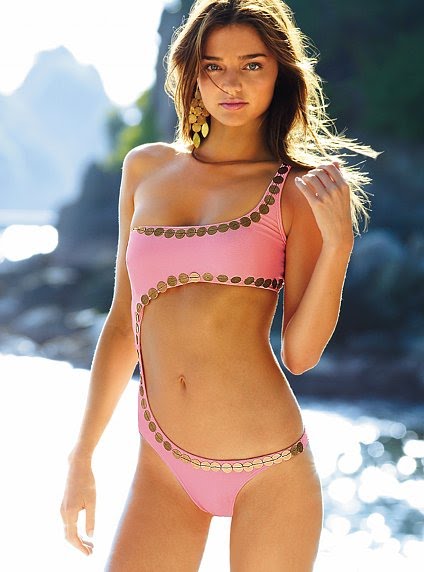
A cut-away suit joined by a thin strip of fabric running down the abdomen. It conceals while still reading as revealing, which is an unusual combination. It pairs particularly well with a mini denim skirt.
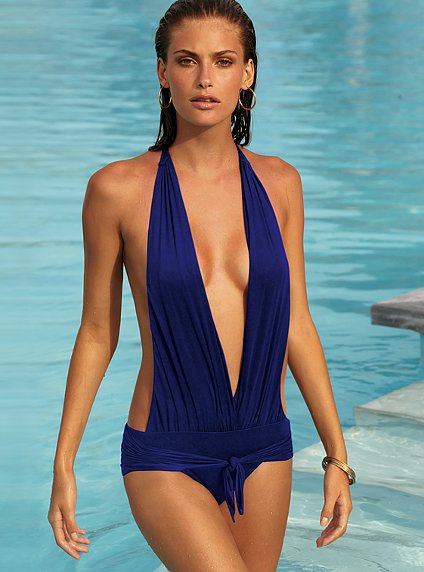
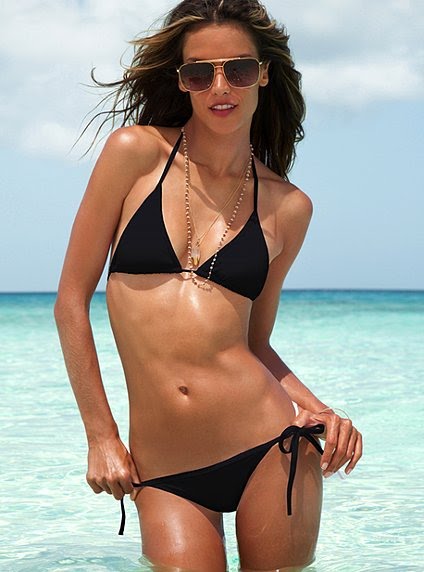
Two-piece bikini
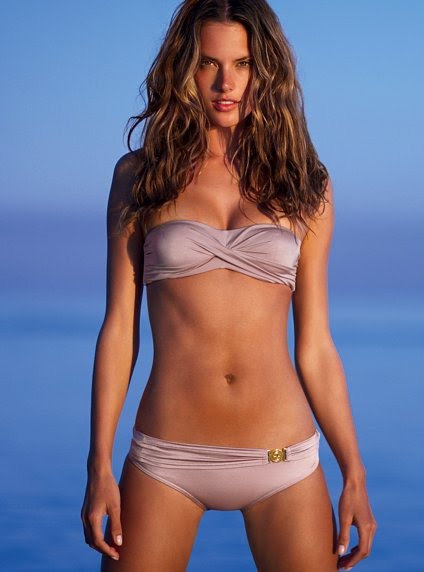
Conventional and permanently in style, available in bright colors and prints and ranging from halter tops through tube tops to bandage constructions.
Maternity swimwear
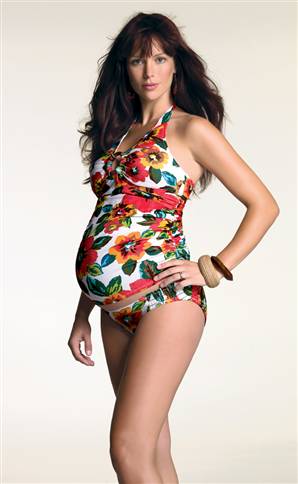
- Choose a one-piece.
- Choose good stretch fabric that fits now and adapts as your shape changes.
- Look for genuine bust support.
- Avoid cheap suits with poor stretch. They become uncomfortable quickly, and comfort matters more here than in any other swimwear decision.
How to care for a swimsuit
Swimsuits are made from polyester, spandex and Lycra, which give stretch and comfort but react badly to what a swimsuit is exposed to. Chlorine turns spandex yellow. Polyester picks up oil. Salt, chemicals, sand, stretching under current and temperature swings all wear the fabric down.
Most of that is unavoidable. Some care extends the life considerably.
Cleaning, step by step
- Rinse. Under tap or lukewarm water, immediately, to remove salt, chlorine, sand and chemicals.
- Hand wash. Gently, inside out, with a liquid detergent that dissolves easily. Never use a washing machine, which is far too abrasive for the fabric.
- Dry in shade. Hang inside out out of direct sun, which fades color.
Avoid
- Oil-based products, including sunscreen and tanning lotion, which break down the elasticity of the fabric.
- Prolonged sunlight, which discolors and destroys elasticity.
- Wrapping a rinsed suit in a towel, which transfers dirt and chemicals from the towel back into the suit.
Always
- Carry at least two suits, and let each dry for a full 24 hours between wears.
- Put a towel down before sitting. Pool edges are rough and will damage the fabric.
Frequently asked questions
Which swimsuit suits a pear shape?
A balcony or triangle top with low-waist bottoms, which draws attention upward and narrows the hip line.
Can I machine wash swimwear?
No. A machine is too abrasive for the fabric. Rinse immediately, then hand wash gently inside out.
Why does my swimsuit lose its stretch?
Usually sunscreen and tanning oil, which break down the elasticity, plus prolonged sun exposure. Rinsing straight after wear helps considerably.
What should I look for in maternity swimwear?
A one-piece in good stretch fabric with real bust support. Cheap low-stretch suits become uncomfortable fast.
Dark or light colors?
Dark conceals, light highlights. Place each where you want the corresponding effect.
See also beach essentials, body types and swimwear trends.