Sleepwear is the one category of clothing chosen almost entirely for how it feels rather than how it looks, and it is the category most people give the least thought to. The result is a drawer full of garments that photograph well and sleep badly.
The distinction worth holding onto is that this category contains two different kinds of garment. Some are built for sleeping: soft, loose, seam-light and made of something breathable. Others are built for how they look, with sheer fabric, lace and trimming, and they are not comfortable to spend eight hours in. Both are legitimate. Problems start when a garment from the second group is bought for the first purpose.
What makes sleepwear good
Five things decide whether a nightdress is worth owning, and only one of them is the design.
Comfort. This is the entire point of the garment. Anything that has to be adjusted, rearranged or tolerated is the wrong choice, however good it looks.
Fabric. Cotton is the default and the safest answer, because it breathes and it does not cling. Silk is the other natural option and breathes acceptably. Rayon, satin, polyester and nylon are worth keeping for the garments you wear briefly rather than sleep in.
Size. Buy loose. Sleepwear should let you move without the fabric following you, which usually means going up rather than down in size.
Design. Fewer features are better. Pockets, flaps, frills, heavy embellishment and unnecessary seams all become irritants at three in the morning. Look at where the seams fall before buying.
Season. Cotton for heat, particularly in a tropical climate. Flannel and thermal knits for cold. Polyester holds warmth but does not breathe, which makes it a poor choice in either extreme.
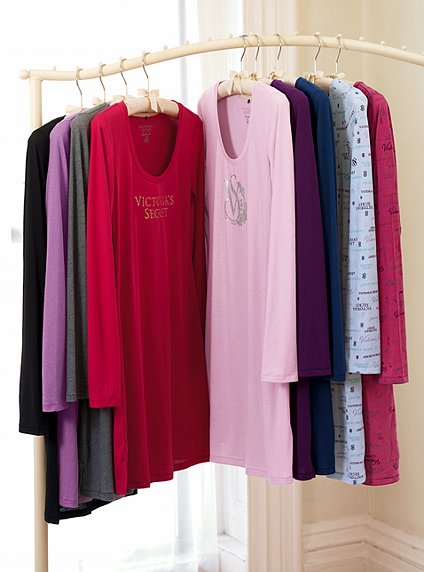
Babydolls
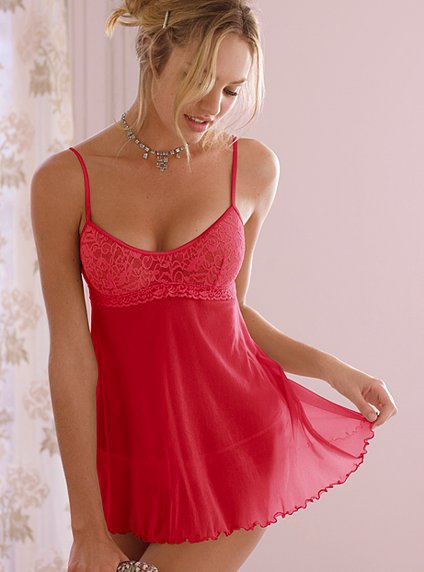
A babydoll is a short, loose, sleeveless top that ends around the upper thigh, usually sold with matching briefs. It is the shorter version of the negligee and is generally classed as lingerie rather than nightwear.
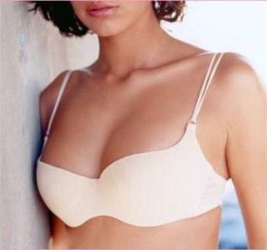
Construction is consistent across the category. Straps are thin or absent, most have a built-in bra so nothing is needed underneath, and many use a front tie closure. Most designs leave the midriff exposed.
Fabric is where the decision is made. Sheer nylon and polyester with lace and trim is the standard version and is not especially comfortable to sleep in. A plain cotton babydoll with minimal trimming is, and it is the version to look for if you actually want to sleep in one. Trimming that looks delicate on a hanger is what scratches at night.
Nightgowns
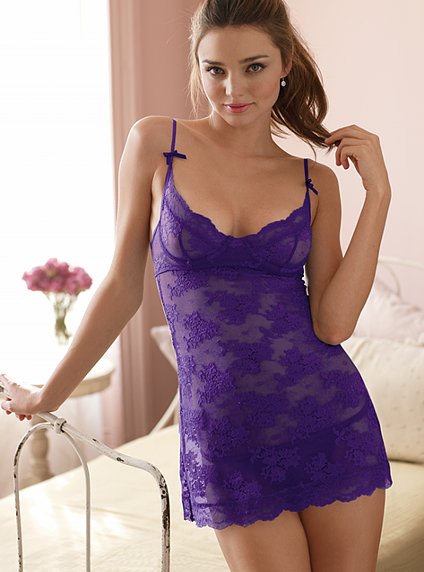
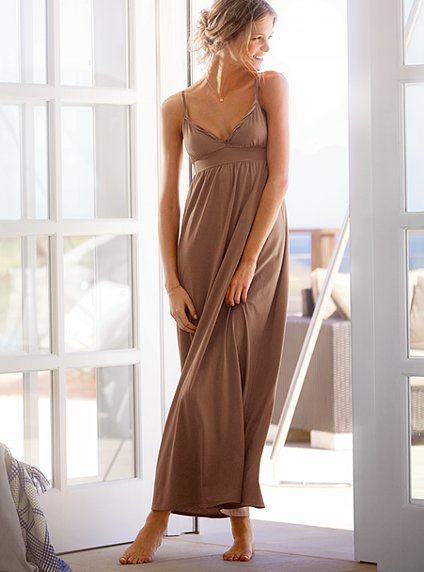
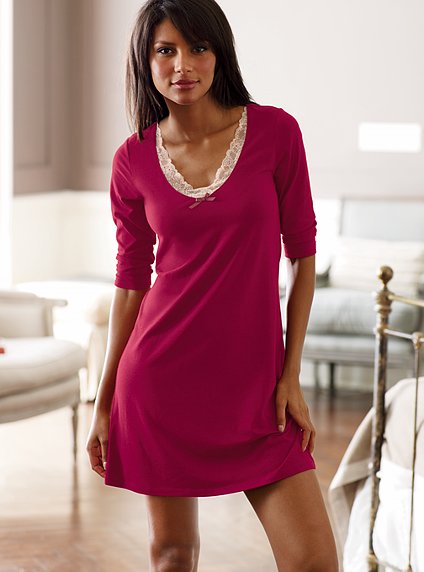
The nightgown is the most widely worn night garment there is, and the category covers a very wide range. At one end is the sheer, short negligee. At the other is the full-length flannel gown. Both are nightgowns.
What they share is the cut: loose, free-draping and unrestrictive. Length runs anywhere from just above the knee to the ankle. Fabrics span cotton, silk, satin, nylon, polyester and flannel, and the more decorative versions add lace, collars, frills and bows.
A short nightgown is generally called a negligee. A nightgown sold with a matching outer robe is a peignoir set.
Negligees
A negligee is a loose nightgown cut in sheer, translucent fabric, usually with lace trim. Coverage is partial by design.
The good ones are silk. The inexpensive ones are nylon or polyester, and those do not breathe, which matters more here than in most garments because the fabric sits directly against skin all night. Length varies from mid-thigh to ankle.
Treat it as an occasion garment rather than a nightly one, and buy the fabric rather than the trimming.
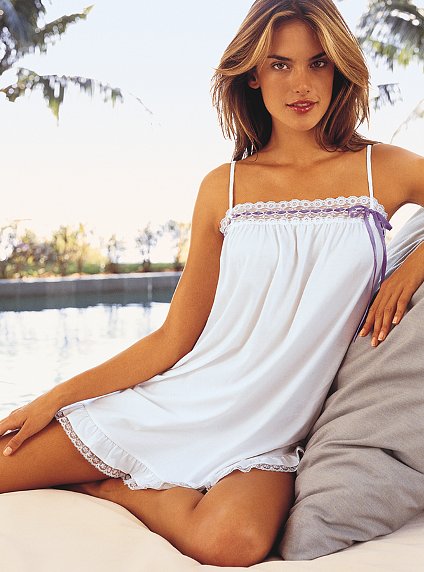
Chemises
A chemise is a loose, sleeveless, shirt-like garment cut on the same lines as a babydoll but closer through the hips. Length reaches around mid-thigh.
Silk and satin are the usual fabrics, with lace, trim and bows on the more decorative versions. It is often worn as part of a set rather than on its own.
The practical difference from a babydoll is the fit at the hip. A babydoll flares away from the body; a chemise follows it.
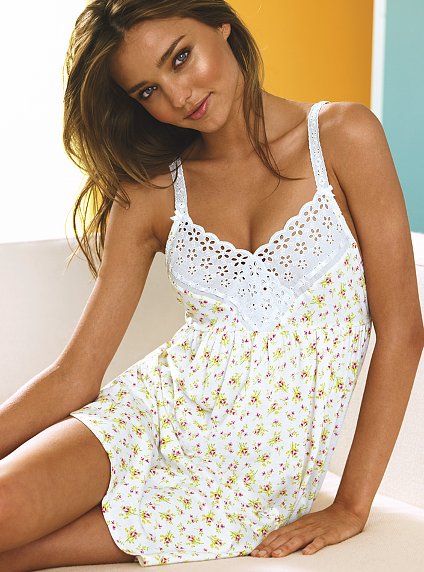
Peignoirs
A peignoir is a long, loose outer robe worn over a nightgown or negligee. It is usually cut in a lightweight sheer fabric, most often chiffon, and it is normally sold matched to the gown it goes over rather than bought separately.
Its function is coverage: it is what you put on over nightwear before you are ready to be seen in the morning.
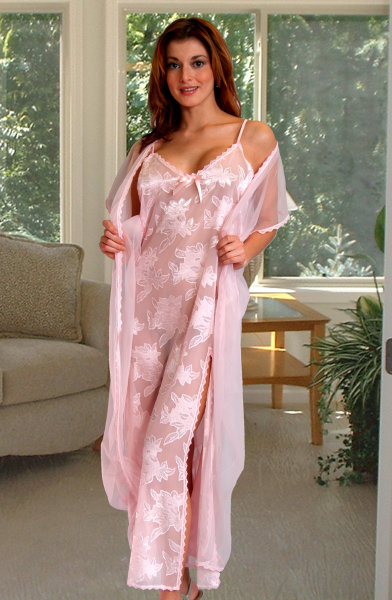
Nightcaps
A nightcap is a close-fitting soft hat, sometimes tall and conical, worn to keep the head warm in bed. It was standard sleepwear in cold regions before heated housing, and central heating is what made it obsolete.
It has largely disappeared from adult wardrobes. The one place it survives is infant and small-child sleepwear, where it is still made and still used.
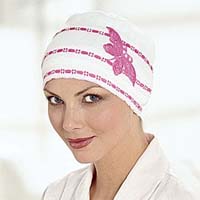
Pajamas
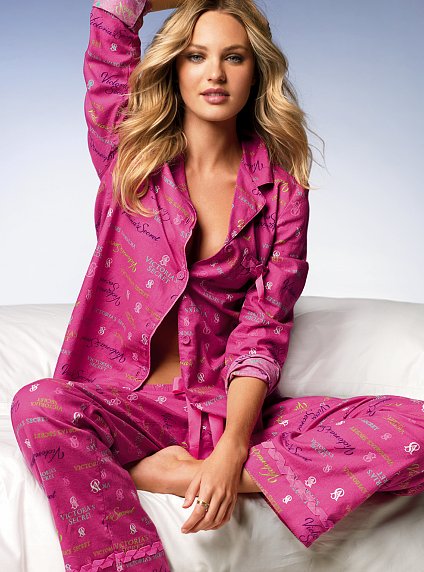
Pajamas are a two-piece set: loose trousers with a matching shirt or top. They are the most practical thing in this list and the most widely worn across men, women and children.
The waist is either drawstring or elastic. Fabrics run through cotton, flannel, silk, satin, polyester and nylon, and cotton and flannel are the ones to sleep in.
For children, the design is more practical and more decorative, often character-printed. The one-piece footed version, which covers the child from neck to feet, is a winter garment. Some children’s sets are sold as three pieces with a robe included.
For women, the range is the widest of any sleepwear category, including maternity cuts made to accommodate a bump comfortably. Prints, florals, geometrics, abstracts and plaids are all standard.
Robes
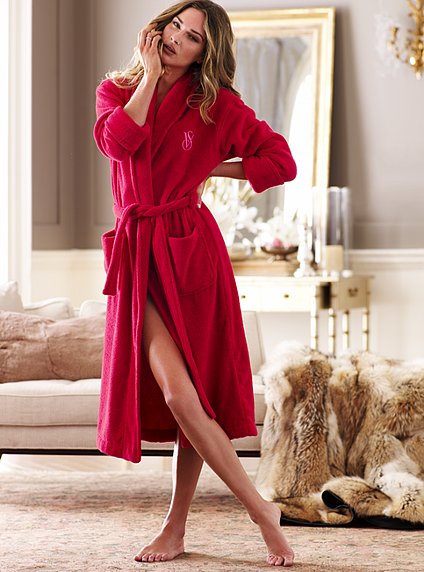
A robe is an outer layer worn over sleepwear rather than instead of it. The category includes the bathrobe, the terry-cloth robe, the lightweight bed jacket and the peignoir.
A bed jacket is a short robe worn in bed over a camisole, pajamas or a nightgown, or over anything with a deep neckline. A terry robe is for after a bath. A peignoir is the dress version, matched to a gown.
Robes are worn by men and women equally, which was not always true of the category.
Sleep shirts
A sleep shirt is an oversized shirt, usually knee-length and cut generously enough to be effectively one size. Most are soft breathable knit, though satin and silk versions exist in the classic oversized-shirt cut.
Sleeves are short or full. It is worn on its own, without shorts or trousers underneath.
What to check before buying. That the seams run straight, that the buttons are small and smooth rather than large and hard, that the collar is soft enough to sleep against, and that there are no unnecessary pockets. These are the details that decide whether a sleep shirt is comfortable, and they are all visible on the rail.
Slips
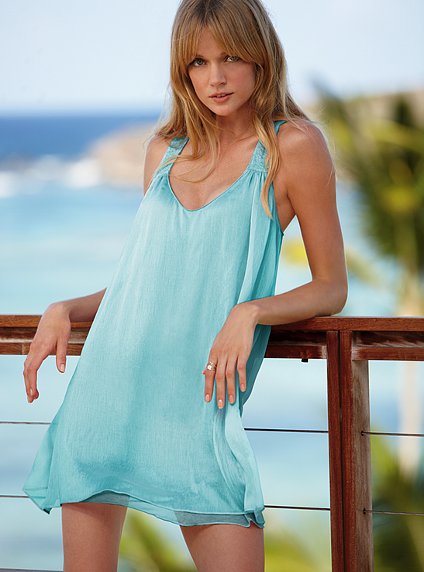
A slip is not sleepwear at all, but it belongs in the category because it is cut from the same pattern family as the chemise. It is a sleeveless garment worn under a dress and over underwear, to smooth the line of the outer garment and stop sheer fabric from being transparent.
Full slips run from shoulder to hem, and many include boning or a built-in bra, which removes the need for one underneath. Half slips start at the waist and run to any length, and are worn with a camisole. The drawback of the half slip is the visible line where the two garments meet at the waist. Mini slips exist for short skirts.
Choosing the color. Match the slip to the garment, not to your skin and not to a default. Nude, white and black cover most needs, but keep white for white dresses only. Worn under yellow or pink, a white slip lightens the color of the dress and shows as a visible line.
Teddies
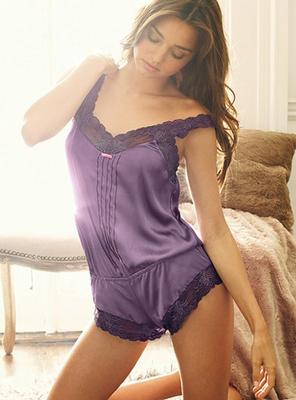
A teddy is a one-piece garment combining a camisole top with briefs, built on the same principle as a swimsuit. The camisole section provides some support and lift. Straps are sometimes adjustable.
Fabrics are silk and satin with lace and trim. Two-piece versions exist and generally fit fuller figures better than the one-piece cut, which depends on torso length to sit correctly.
Choosing by body frame
Slim and petite
Silk and satin work well, and frills, ruffles, trim, bows and lace are all safe. Keep stripes and prints vertical. A gown ending an inch or two below the knee is the most flattering length. Babydolls, negligees, boxer shorts and sleep shirts all suit this frame.
Tall and slim
Pajamas suit this frame better than almost anything else. Horizontal stripes add width if you are very lean. Nightgowns that skim rather than cling or hang loose are the right fit, cut at a length that shows the leg.
Both slim frames should avoid the full flannel granny gown, which has enough volume to overwhelm them.
Fuller and petite
Boxer shorts, camisoles, sleep shirts and nightgowns, all cut at a length that does not swamp the frame. Vertical stripes and vertical prints add apparent height. Avoid pajamas, oversized shirts and full flannel gowns, which all add bulk.
Fuller and tall
This frame carries almost anything in the category. The one thing to be careful with is volume: frills, ruching, ruffles, bows and heavy trim all add apparent size.
What to avoid
Synthetic fabrics against skin overnight. Nylon, polyester, acrylic, lycra and wool are all poor choices for sleeping. Cotton is the default for a reason.
Applied decoration. Frills, ruffles, beads, sequins and heavy trim are the most common cause of a nightdress that gets worn once. They itch, and eight hours is long enough to notice.
Quick reference
| Garment | What it is | Usual fabric | Best for |
|---|---|---|---|
| Babydoll | Short loose top with briefs, built-in bra | Sheer nylon, polyester, cotton | Occasion wear; cotton versions for sleeping |
| Nightgown | Loose gown, knee to ankle | Cotton, flannel, silk, satin | The general-purpose choice |
| Negligee | Sheer short nightgown | Silk, nylon | Occasion wear |
| Chemise | Sleeveless, mid-thigh, closer at the hip | Silk, satin | Occasion wear, worn as a set |
| Peignoir | Sheer robe over a gown | Chiffon | Coverage over nightwear |
| Nightcap | Soft close-fitting hat | Cotton, knit | Warmth; now mostly children |
| Pajamas | Trousers with matching top | Cotton, flannel, silk | Everyday sleeping, all ages |
| Robe | Outer layer over sleepwear | Terry, cotton, chiffon | After a bath, and mornings |
| Sleep shirt | Oversized knee-length shirt | Soft knit, satin | Easy everyday sleeping |
| Slip | Underlayer, not sleepwear | Cotton, satin, nylon, silk | Smoothing a dress line |
| Teddy | One piece, camisole plus briefs | Silk, satin | Occasion wear |
Frequently asked questions
What is the best fabric to sleep in?
Cotton. It breathes, it does not cling, and it handles heat better than anything synthetic. Silk is the alternative if you want something finer, since it is also a natural fiber and breathes acceptably. Avoid nylon, polyester, acrylic and lycra for sleeping.
What is the difference between a babydoll and a chemise?
The fit at the hip. A babydoll flares away from the body and usually has a built-in bra and matching briefs. A chemise follows the hip line more closely and is generally longer.
What is the difference between a negligee and a nightgown?
A negligee is a type of nightgown, cut short and in sheer fabric. Nightgown is the broad category and includes everything from the negligee to a full-length flannel gown.
What is a peignoir?
A long sheer robe, usually chiffon, worn over a nightgown or negligee and normally sold matched to it. The word is also used for the two-piece set of gown and robe together.
Is a slip sleepwear?
No. It is worn under a dress during the day, to smooth the line of the garment and stop sheer fabric being transparent. It is grouped with sleepwear only because it is cut like a chemise.
What should I look for when buying a sleep shirt?
Straight seams, small smooth buttons, a soft collar and no unnecessary pockets. All four are visible before you buy and all four decide whether it is comfortable to sleep in.
See also the lingerie guide, types of lingerie and body types.