Sex during periods is something many people have questions about but may feel uncomfortable discussing openly. Is it safe? Can you become pregnant? Does menstruation increase the risk of infection? And are there situations when it is better to avoid intercourse altogether?
From a health perspective, having sex during menstruation is generally possible for healthy consenting adults. Menstruation itself does not automatically make sexual activity unsafe. However, there are some important things to understand about pregnancy, sexually transmitted infections, hygiene and personal comfort.
Is Sex During Periods Safe?
For most healthy adults, sex during periods is generally considered safe when both partners are comfortable with it.
Menstruation is a normal biological process. There is no medical rule that sexual intercourse must be avoided simply because someone is having their period.
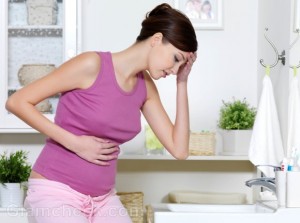
That said, comfort varies considerably from person to person. Some women may experience cramps, abdominal discomfort, fatigue, headaches or increased sensitivity during menstruation and may not feel comfortable having sex.
The most important factors are consent, communication, protection and personal comfort.
.
Can You Get Pregnant During Your Period?
Yes, pregnancy during a period is possible.
The chance may be lower than during the fertile window around ovulation, but menstruation should not be considered a reliable form of contraception.
Menstrual cycles are not always predictable. Some women have shorter cycles, while ovulation can also occur earlier or later than expected.
Sperm can remain alive inside the female reproductive tract for several days. This means that intercourse toward the end of a menstrual period could potentially result in pregnancy if ovulation follows soon afterward.
Anyone who wants to avoid pregnancy should therefore continue using an appropriate form of contraception during menstruation rather than relying on the timing of the period alone.
What About Sexually Transmitted Infections?
Menstruation does not protect either partner from sexually transmitted infections.
STIs such as HIV, herpes, gonorrhoea, chlamydia and others can still be transmitted during sexual activity.
Contact with blood and bodily fluids can also increase exposure to certain infections.
Using condoms correctly can help reduce the risk of many sexually transmitted infections as well as unintended pregnancy.
If either partner has symptoms such as unusual discharge, sores, persistent itching, pain during urination or unexplained genital irritation, it is sensible to avoid sexual contact and seek medical advice.
 Sex During Periods – To Do It or Not to Do It
Does Sex During Periods Cause Infection?
Menstrual blood itself does not automatically cause an infection.
However, maintaining good hygiene can make the experience more comfortable and help reduce unnecessary exposure to bacteria.
Both partners should practice normal personal hygiene. Hands should be clean, and anything that comes into contact with the genital area should also be clean.
Avoid using harsh soaps, perfumes or strongly scented intimate products inside the vagina. The vagina naturally maintains its own environment, and excessive cleansing can disturb its normal balance.
Hygiene During Period Sex
Menstruation naturally involves blood, so some additional preparation can make things easier.
Using a clean towel or washable sheet can help protect bedding. Showering before or after sex is a matter of personal preference, although normal external washing with water is generally sufficient.
If a tampon or menstrual cup is being used, it should be removed before vaginal intercourse.
It is also important not to forget a tampon inside the vagina for an extended period, since prolonged use increases the risk of complications.
Can Period Sex Affect Menstrual Cramps?
Some people report temporary relief from menstrual discomfort after sexual activity.
This may be related to natural muscle contractions and the release of chemicals such as endorphins, which are involved in feelings of wellbeing and pain regulation.
However, experiences vary. Some women may instead feel more sensitive or uncomfortable during menstruation.
Sex should never be treated as a necessary remedy for menstrual cramps. Persistent, severe or worsening period pain should be discussed with a healthcare professional because conditions such as endometriosis, adenomyosis or fibroids can sometimes cause significant menstrual pain.
Is Bleeding During Sex Normal When You Are on Your Period?
If you are menstruating, some blood during or after sex may simply be menstrual blood.
However, bleeding that seems unusual, occurs repeatedly outside your normal menstrual cycle or happens regularly after intercourse should not automatically be assumed to be part of your period.
Unexpected bleeding can have several possible causes and should be evaluated by a healthcare professional if it continues.
When Should You Avoid Sex During Your Period?
You may prefer to avoid intercourse if you are experiencing significant pain, unusually heavy bleeding, dizziness, fever, genital sores, unusual discharge or symptoms of an infection.
Sex should also be avoided if either partner is uncomfortable or simply does not want to participate.
Comfort and consent matter just as much during menstruation as they do at any other time.
Can You Have Sex With a Tampon or Menstrual Cup In?
A tampon should be removed before vaginal intercourse.
Leaving it in place can push it farther into the vagina and make removal more difficult.
Most traditional menstrual cups should also be removed before penetrative vaginal intercourse. Certain menstrual discs are designed differently, but users should follow the specific manufacturer’s instructions.
If you cannot remove a tampon or menstrual product, seek medical assistance rather than repeatedly trying to retrieve it in a way that causes pain or injury.
Protection Still Matters During Menstruation
One of the most common myths about sex during periods is that pregnancy or infection cannot occur at this time.
Neither assumption is correct.
If pregnancy is not desired, use reliable contraception. Condoms can provide additional protection by helping reduce the risk of sexually transmitted infections.
Couples should make decisions based on proper health information rather than relying on the menstrual cycle as protection.
Listen to Your Body
There is no universal answer to whether couples should or should not have sex during periods.
For some people, menstruation makes little difference. Others may experience discomfort, fatigue or simply prefer not to have sex during this part of their cycle.
Neither choice is medically unusual.
What matters most is that both partners feel comfortable, communicate openly and take appropriate precautions regarding pregnancy and sexually transmitted infections.
When to Speak to a Doctor
Consult a healthcare professional if you experience severe pelvic pain, unusually heavy periods, persistent bleeding after sex, recurring infections, foul smelling discharge, fever or pain during intercourse.
These symptoms should not simply be dismissed as normal period problems.
A healthcare professional can determine whether further examination or testing is required.
The Bottom Line
Sex during periods is generally possible for healthy consenting adults, but menstruation does not eliminate the possibility of pregnancy or sexually transmitted infections.
Using protection, maintaining normal hygiene and paying attention to your body’s comfort can help reduce unnecessary risks.
Most importantly, decisions about sexual activity during menstruation should be based on mutual consent, comfort and reliable health information rather than myths about the menstrual cycle.
Medical note: This article provides general health information and is not a substitute for individual medical advice. Speak with a qualified healthcare professional if you have concerns about your menstrual cycle, contraception, infections or sexual health.
Image: Shutterstock