The neckline is the piece of a garment closest to your face, which makes it the detail people notice first and the one that does the most work. Choose it well and it lengthens the neck, balances the shoulders and flatters the face. Choose it badly and it does the reverse.
The keyword throughout is balance. A neckline should make you appear more in proportion, not less, and no single neckline suits every dress form and every body type.
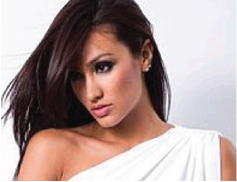
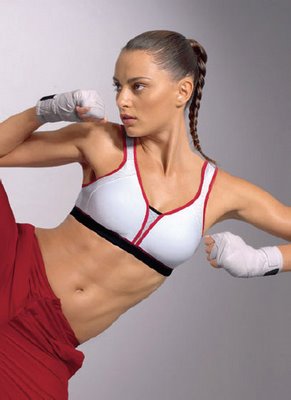
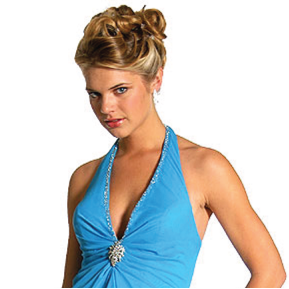
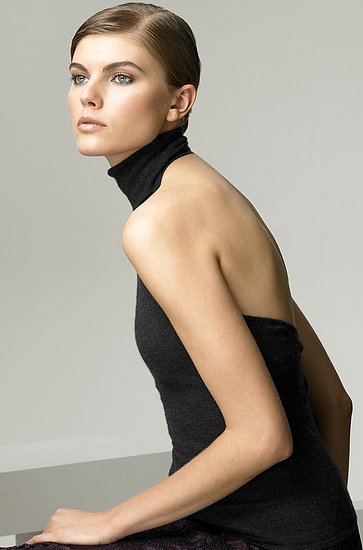
The halter neckline
The halter neckline consists of two triangular points of fabric, of varying width depending on the style, running along the chest to the back of the neck. Some versions use a single triangular piece fastened around the neck with strings or straps.
Good for. Average to small busts. It leaves the arms bare, showing toned arms and narrow shoulders, and it suits an hourglass figure better than any other neckline.
Avoid if. You have heavy arms, broad shoulders or a large chest. It will make all three read wider than they are.
The square neckline
A square or rectangular opening that elongates a short neck and broadens narrow shoulders.
Good for. Round faces, where the straight lines counter the roundness and suggest a squarer shape. It also suits a pear-shaped figure by broadening the shoulders to balance wider hips.
Avoid if. You have very square shoulders, or a square face. In both cases it exaggerates what is already there.
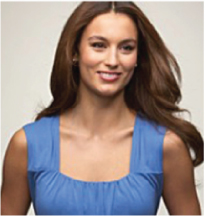
The crew neckline
High, round and closed all around the neck, named after the neckline on a crewman’s jersey. It is usually collarless, fits tightly at the base of the neck, and is most common in knitted fabrics.
Good for. Heavier-set figures and short necks.
Avoid if. You have a square face, which it widens, or a round face, which it rounds further. Also avoid it with a wide neck or a large chest, since it shortens the neck and broadens the bust.
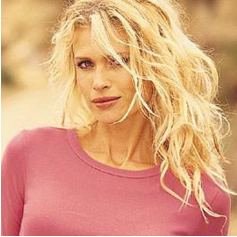
The V-neckline
The most flattering neckline for most women, because it emphasizes the oval of the face and makes the neck appear longer. It creates an overall slimming effect.
The proportions matter more here than with any other neckline. A V wider than it is long makes narrow shoulders appear broader. A deeper V makes wide shoulders appear narrower. The same neckline does opposite jobs depending on how it is cut.
Good for. Short necks, round faces and square faces, all of which it lengthens and narrows. It works for both small and large busts, dividing a large chest while creating interest on a smaller one. It suits straighter figures by making the chest read fuller, and apple and round shapes by making the body appear less round.
Avoid if. You have a long face, which it lengthens further.
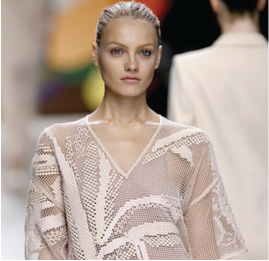
The scoop neckline
A deep U-shape, characterized by a large width and a full curve dipping down the chest. It is unusually good at balancing proportions.
Good for. Narrow shoulders, which it exposes and broadens. It brings the upper body into proportion with the lower, moving the figure toward an hourglass line. It creates the illusion of a larger bust, so it suits a smaller one, and it works well with a short neck or a long face.
Avoid if. You are very slim or have a narrow face, since it will make you appear leaner still.
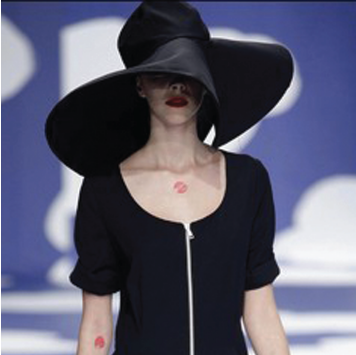
The boat or bateau neckline
A horizontal line that follows the collarbone closely, widening the shoulder line. It suits every face shape.
Good for. Small busts, and straighter figures in particular. It balances wide hips against the upper body, moving the silhouette toward an hourglass.
Avoid if. You have broad shoulders or a short neck. The horizontal line works against both.
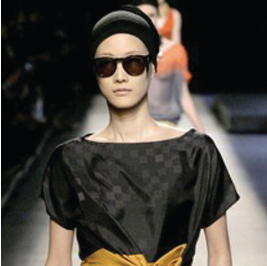
The turtle neckline
An extended, tight-fitting high collar, named for the resemblance to a turtle’s neck extended from its shell. It adds an illusion of height and produces an elongated line.
Good for. Long necks, narrow shoulders and narrow faces, and straighter figures.
Avoid if. You have a round face, a short neck, a large chest, or an apple-shaped figure.
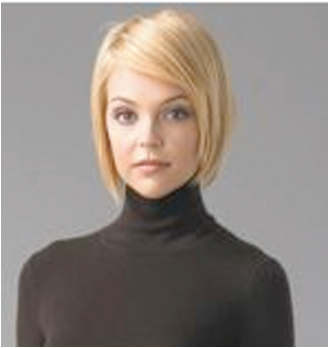
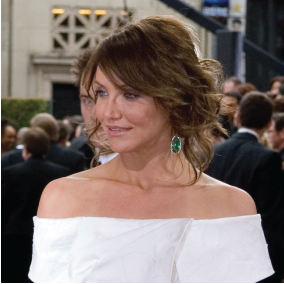
The off-shoulder neckline
Sitting below the shoulders and running along the collarbone to meet the sleeves. It suits women of all shapes and sizes, and is standard on ball gowns and evening dresses.
Good for. Medium builds with an average bust, which it suits best of all. Pear-shaped figures look particularly good in it, and narrow shoulders gain apparent width.
Avoid if. You have heavy arms. If you want to wear it anyway, pair it with a stole or a cashmere shawl.
The cowl neckline
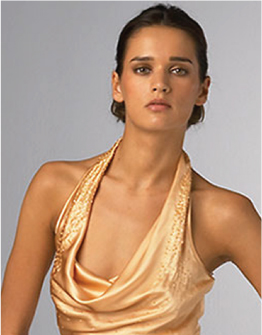
Similar to a turtleneck in origin but far looser. A cowl uses a considerably greater amount of fabric, hanging in scooping folds, wider and looser than the close-fitting turtleneck.
There is no standard size. A cowl may be small and gather neatly at the neck, or carry a great deal of extra material hanging over a considerable area of the chest. It can be plain or heavily embellished, and it appears with knife pleating, cinched décolleté, pleated cuffs, sequins, beads and crossed ribbons. You will find it on sweaters, camisoles, casual wear, wedding dresses and evening gowns alike.
Good for. Petite figures, where the volume adds to the bust and creates a more curvaceous line. Pear shapes with a smaller bust and larger hips gain real balance from it.
Avoid if. You have a fuller figure. The added volume makes it read larger.
The sweetheart neckline
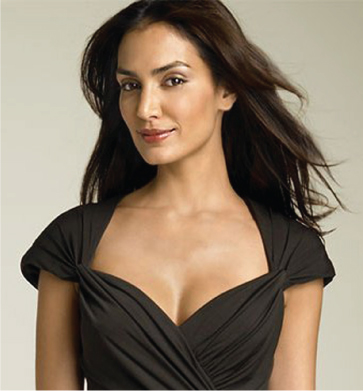
Shaped from the top half of a heart. The neckline is arched, with two curves rising over the underarms and reaching high across the breasts before dropping to meet at a point in the middle of the bust. The bottom edge is doubly scalloped, producing the heart shape.
It is not the same as a V-neck, although the two are frequently confused. The sweetheart curves; the V is straight-sided.
It appears mostly on strapless and shoulder-less dresses, though it is also made with sheer long sleeves and spaghetti straps. It is a staple of wedding dresses, evening gowns, casual wear and tank tops.
Good for. Everyone, genuinely. It suits all shapes, sizes and body types, and works for both small and large busts, providing modest coverage and creating support.
Two refinements. Petite women with small busts and narrow shoulders appear more curvaceous in it. And a sweetheart worked with a sheer overlay rising above the heart shape lengthens the torso and neck, which helps a petite figure look taller. The vertical dip at the center visually elongates the face.
The keyhole neckline
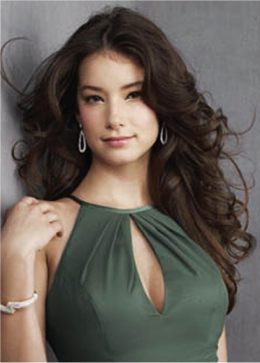
Similar to a halter, except that the converging diagonal lines meet in front of the neck to form a keyhole shape just below the collarbone. It sits high on the neck and covers the breasts.
The difference from a halter is where the opening sits. A halter opens at the front into a V; a keyhole makes a hole just beneath the shoulders while the fabric closes above it.
The form is versatile. It can be a simple slit in the neck of a blouse or dress, secured at the top with a hook and eye or a loop and button. It can also be circular or oval, secured the same way. Circular and oval versions are difficult to cut and sew, and need the right fabric to achieve a smooth finish. Well placed, the opening reads almost like a piece of jewelry.
There is no standard size. Placed too low or opened too wide, it shows considerably more décolletage than intended.
Good for. Women of all ages, and small busts in particular, since it enhances a smaller chest.
Avoid if. You have a larger bust, unless the effect is what you want. It shows a lot of cleavage and accentuates the bust directly.
Choosing by face shape
Oval
The most balanced and well-proportioned face shape. Almost any neckline works, so choose on body frame instead.
Long and narrow
Choose necklines that run broad across the shoulders. The width pulls attention from a narrow face to the shoulders and broadens the upper body. Avoid deep necklines, which lengthen the neck and the face further.
Round and wide
The reverse. Choose deep necklines that run down the neck and create an illusion of length. Look for anything that dips enough to elongate. Avoid necklines wider than they are long, and anything that emphasizes the horizontal over the vertical.
Choosing by body frame
Small frame
Choose necklines broad at the shoulders, which expose more of the shoulder and add width. Crew, jewel, Sabrina and bateau necklines all work well.
Average build
Any neckline. An average build carries all of them equally well.
Large frame
Choose necklines that create a vertical line and an elongated look. Empire necklines, V-necks and Queen Anne necklines all do this.
Quick reference
| Neckline | Best for | Avoid with |
|---|---|---|
| Halter | Small to average bust, hourglass, toned arms | Broad shoulders, heavy arms, large chest |
| Square | Round face, pear shape, short neck | Square face, very square shoulders |
| Crew | Short neck, heavier-set figure | Round or square face, wide neck, large chest |
| V-neck | Most people, short neck, round or square face | Long face |
| Scoop | Narrow shoulders, small bust, short neck, long face | Very slim build, narrow face |
| Bateau | Small bust, wide hips, any face shape | Broad shoulders, short neck |
| Turtle | Long neck, narrow shoulders and face | Round face, short neck, large chest, apple shape |
| Off-shoulder | Medium build, average bust, pear shape | Heavy arms |
| Cowl | Petite frames, pear shape, smaller bust | Fuller figures |
| Sweetheart | All shapes and sizes | Nothing in particular |
| Keyhole | Small bust, all ages | Larger bust, unless intended |
Two things that decide whether it works
The finish. A neckline has to be carefully crafted into the garment to give a smooth, refined edge. A well-chosen neckline finished badly looks worse than a plain one finished well.
The fabric. Not every neckline takes shape in every fabric. A cowl needs something fluid enough to drape; a square neckline needs something with enough body to hold a straight edge. Choosing the shape without considering the cloth is how these go wrong.
Frequently asked questions
Which neckline suits the most people?
The sweetheart, which works across all shapes and sizes. The V-neck is the next most universal.
What is the difference between a sweetheart and a V-neck?
The sweetheart curves in two arcs meeting at a point, forming the top of a heart. A V-neck is straight-sided.
Which neckline makes the neck look longer?
Any deep neckline running down the neck. A V-neck and a scoop are the two most effective.
What is the difference between a halter and a keyhole?
A halter opens at the front into a V. A keyhole closes at the neck and makes an opening just below the collarbone.
See also the waistlines guide, body types, and our guides to making small breasts appear fuller and making broad shoulders appear narrower.