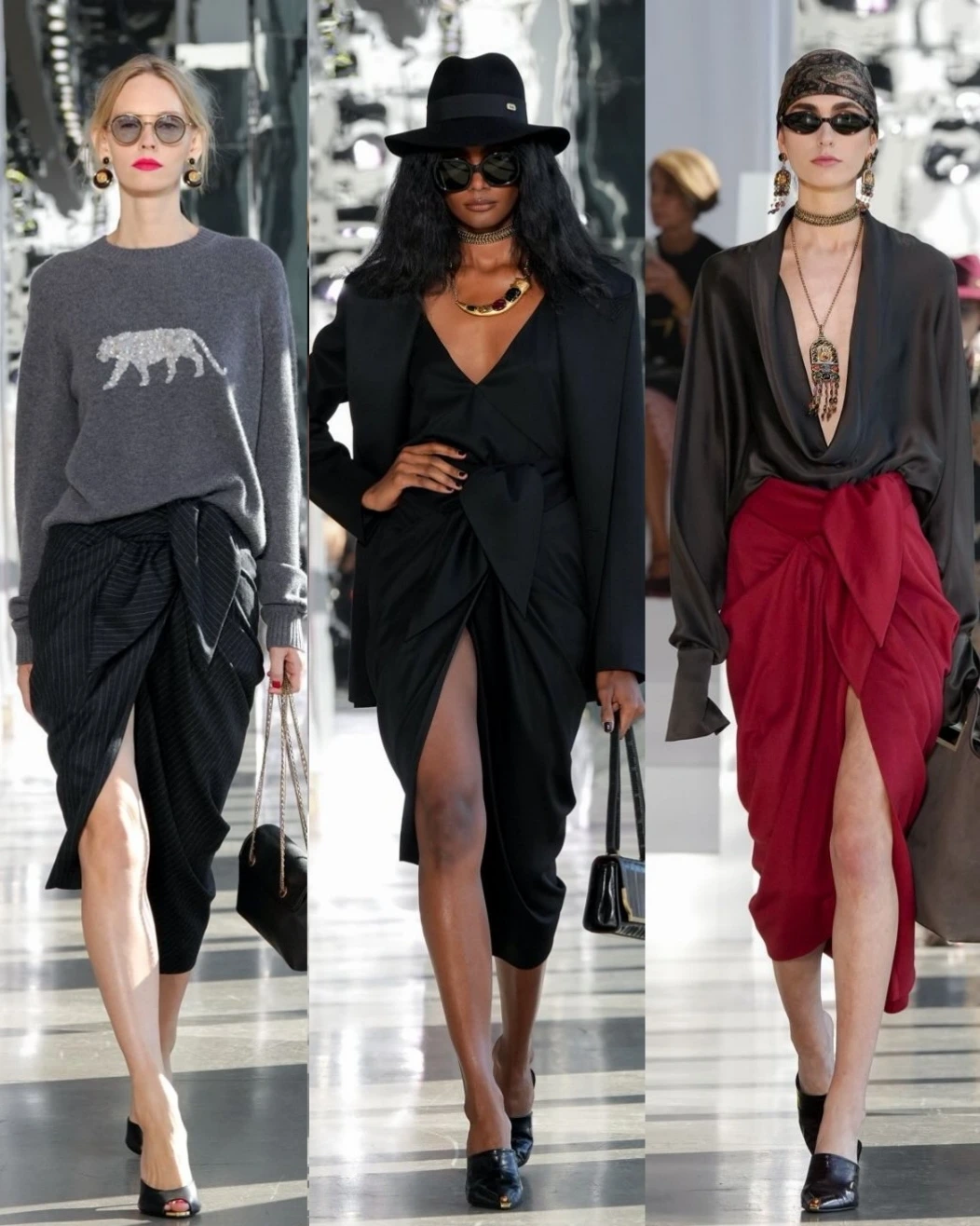
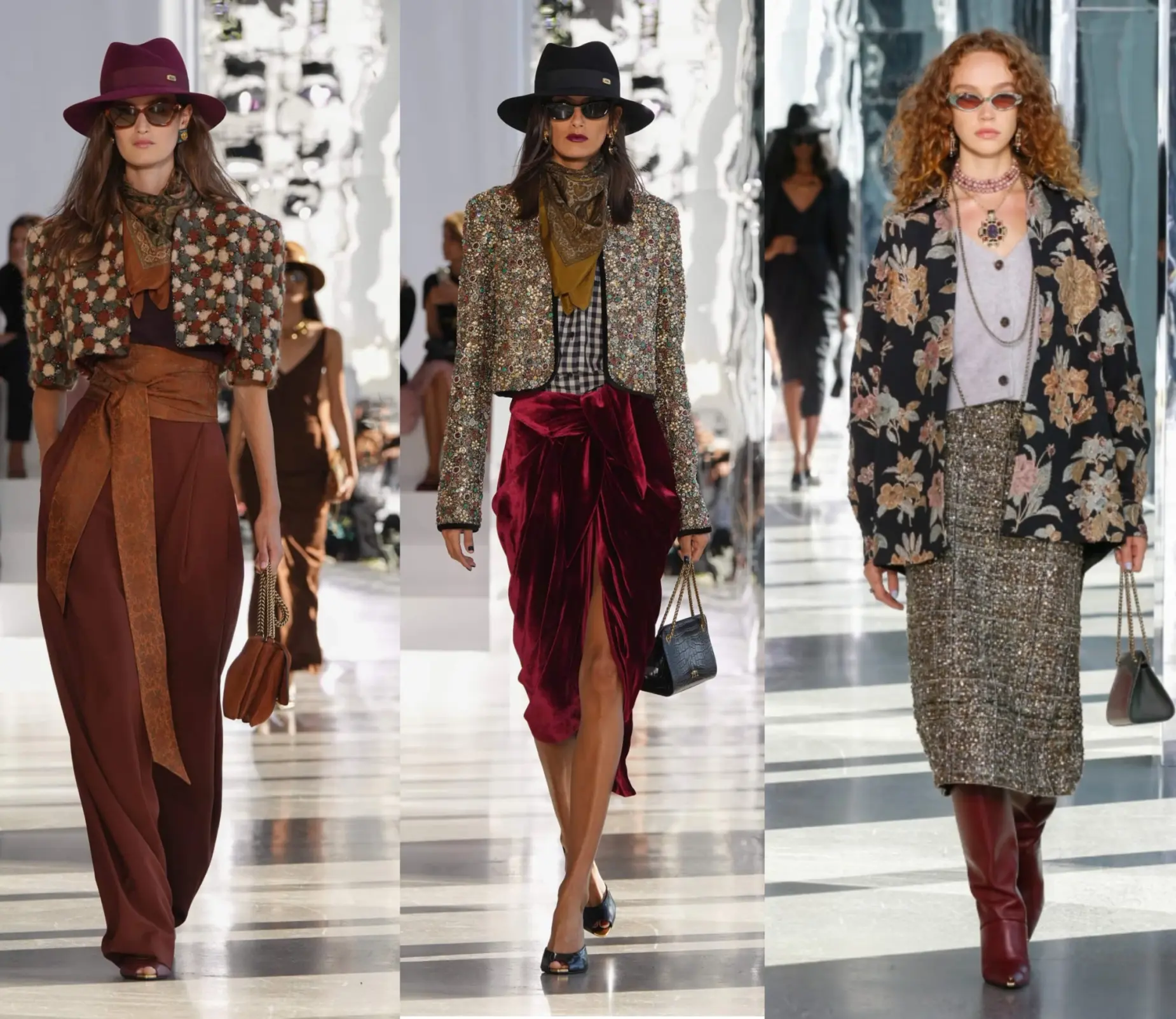
Sabyasachi Mukherjee returned to New York Fashion Week after nearly two decades with a collection that felt less like a comeback and more like a statement of arrival. Titled Bengal Byzantine Broadway, the Spring Summer 2027 show brought together Indian craftsmanship, Byzantine history and the familiar codes of American dressing in a 72 look collection opened by Christy Turlington.
What made the collection compelling was its refusal to present India through the usual vocabulary of occasion wear. There were no attempts to translate Indian luxury into something more easily understood by a Western audience. Instead, Sabyasachi placed Indian handcraft directly inside a global wardrobe of denim, shirts, tailoring, Western hats and relaxed outerwear. The clothes felt international because the references were international, but the way they were made remained unmistakably rooted in India.
Bengal, Byzantium and Broadway
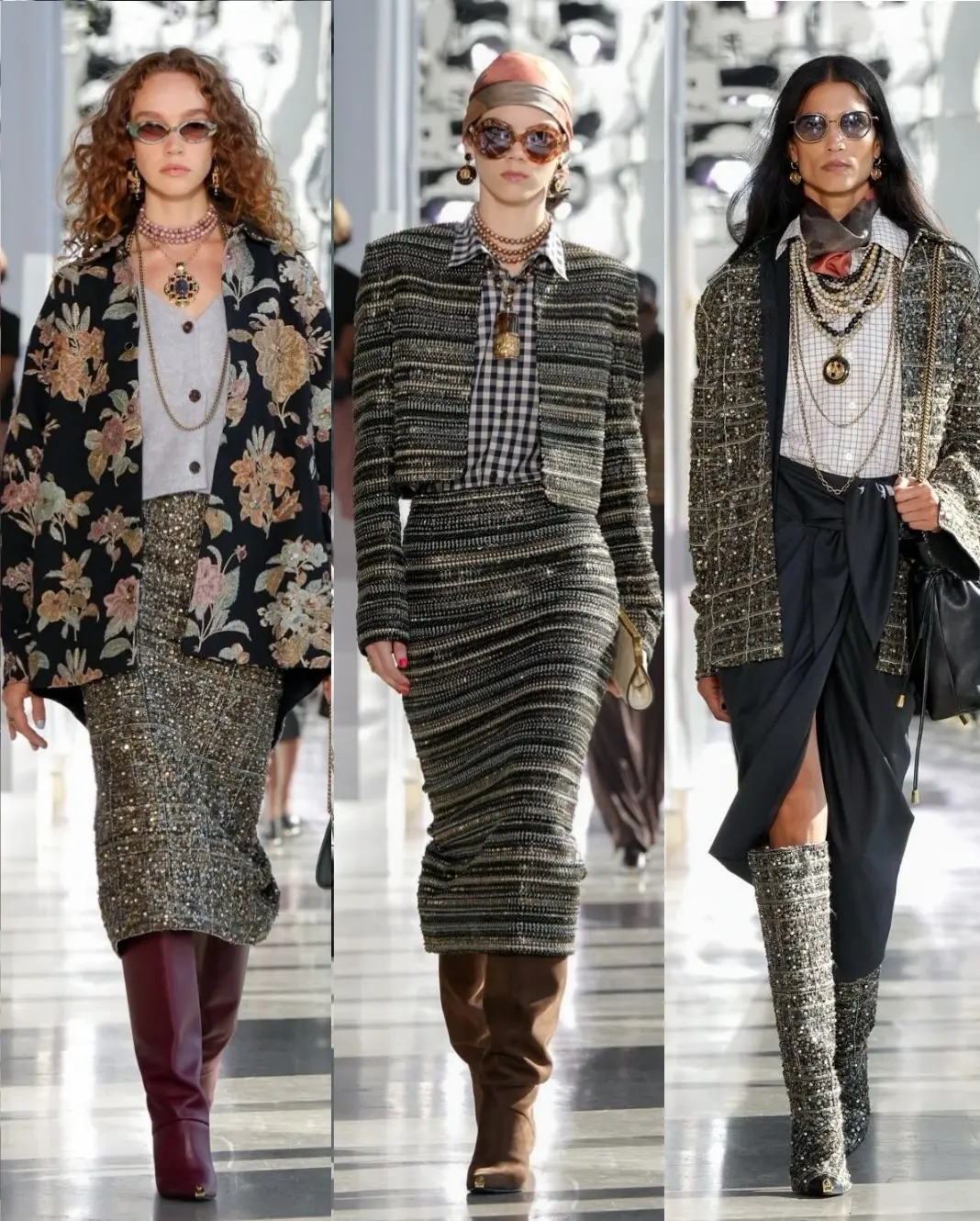
The title explains the collection remarkably well. Sabyasachi describes Bengal as the cultural lens, Byzantium as a history shaped by convergence, and Broadway as the contemporary New York element that brings the story into the present.
Byzantium is particularly important here because it was never culturally isolated. Positioned between continents and trade routes, it absorbed influences from Europe, the Middle East, Asia and North Africa. Sabyasachi has spoken about being drawn to cultures formed through exchange, and that idea becomes the intellectual foundation of the collection.
The result is not an Indian collection decorated with Byzantine motifs. It is a much broader conversation about how culture travels.
India Is Present in the Making
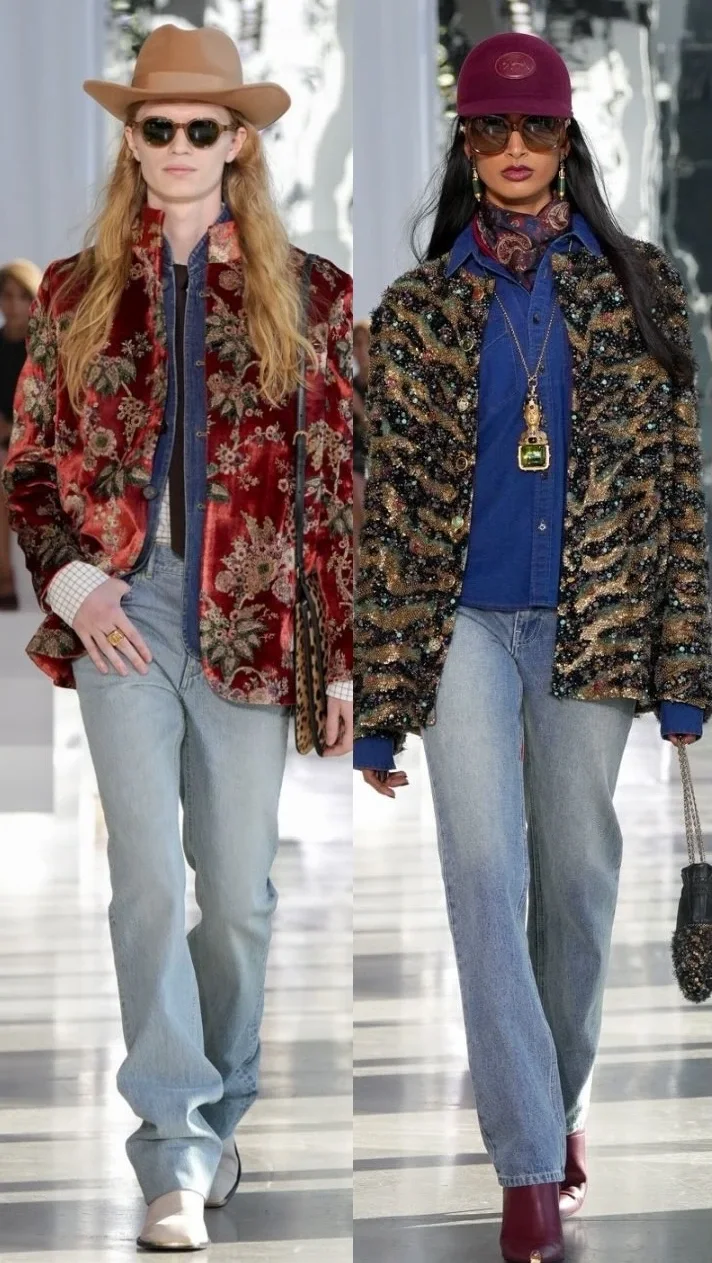
The Indian identity of the collection is strongest in its craftsmanship rather than in obvious silhouettes.
Hand beading, elaborate embroidery, quilted linings and carefully worked surfaces appeared throughout. Some coats were densely beaded, while others used embroidered cow print patches on tulle, taking an American Western reference and translating it through highly labour intensive Indian techniques.
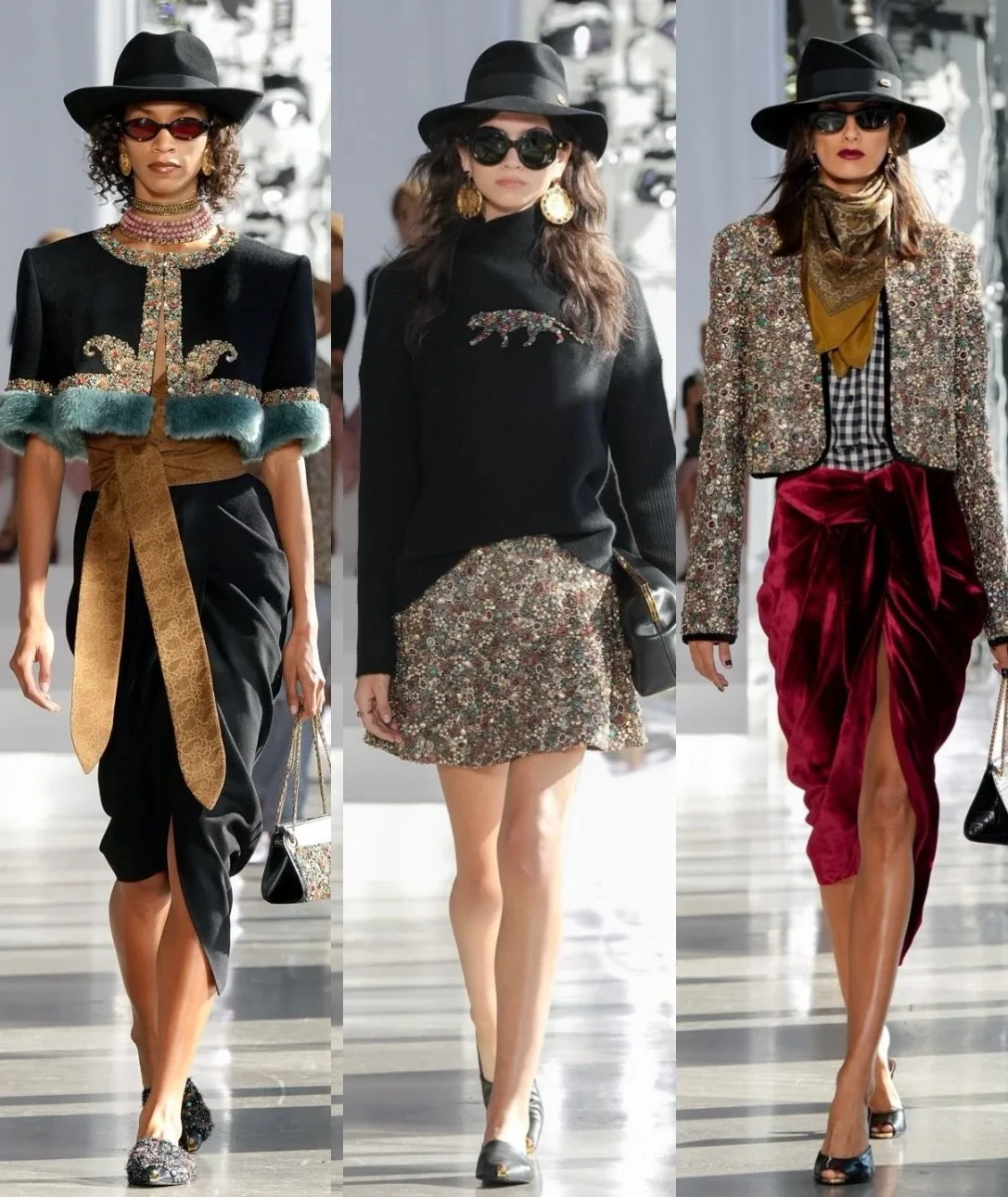
This is an important distinction. Denim remains denim. A plaid shirt remains a plaid shirt. But once those familiar pieces pass through Sabyasachi’s ateliers, their value shifts from everyday wardrobe staples to objects of craft.
That approach also reflects the designer’s larger ambition for Indian luxury. He has repeatedly argued that India does not need to imitate European fashion in order to become global. Its strength lies in textiles, embroidery, weaving, jewellery making and metalwork that have existed for centuries.
Silhouettes Feel Relaxed Rather Than Ceremonial
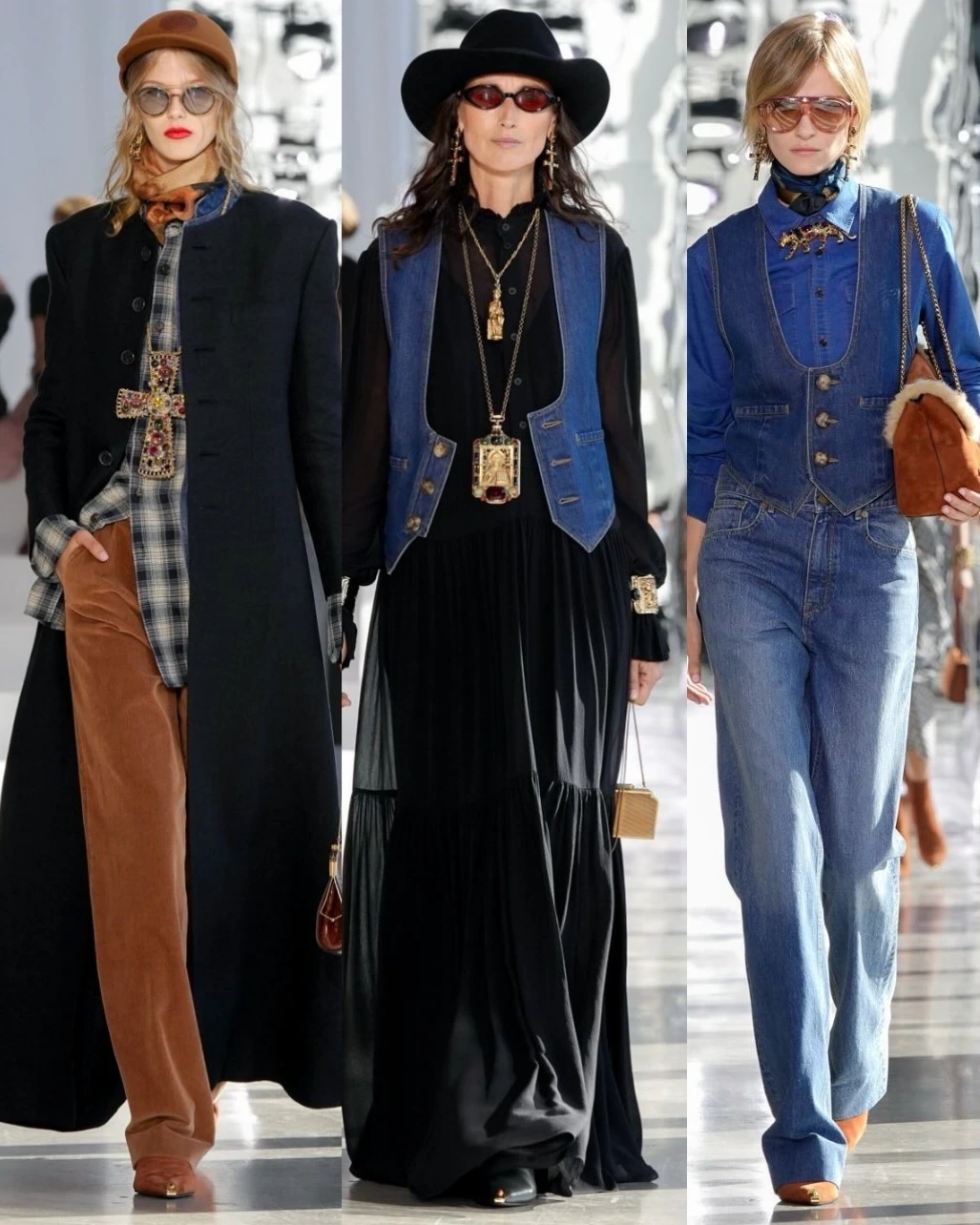
The runway opened with Christy Turlington in denim, immediately setting the tone. Jeans, denim vests, button down shirts, oversized coats and easy tailoring formed the backbone of the collection. Cowboy hats, scarves and Western references appeared alongside more decorative jackets and evening pieces.
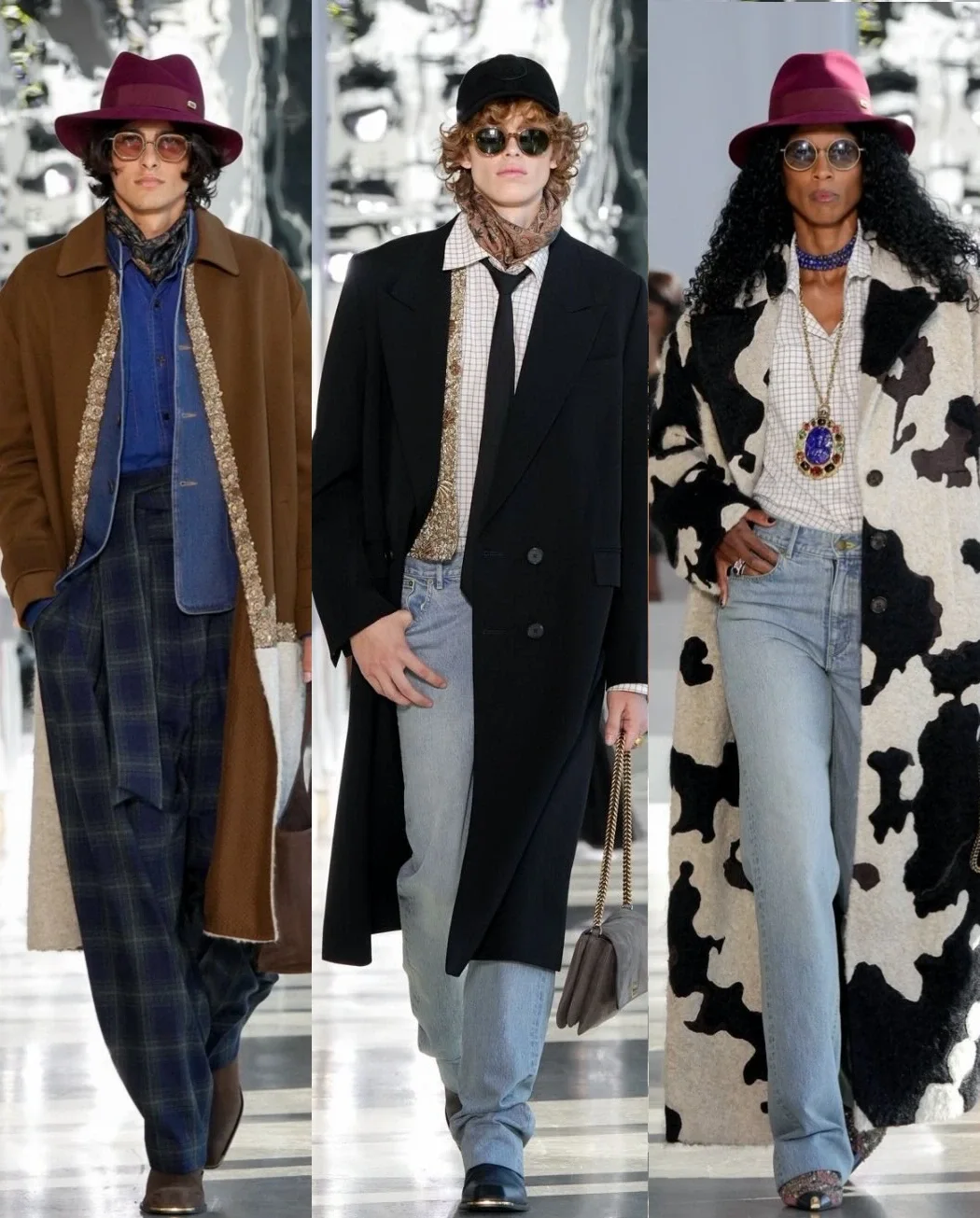
The proportions were generous. Jackets sat loosely over the body, trousers and jeans had an easy fall, and coats often carried enough volume to feel protective rather than formal. Even embellished pieces retained a sense of movement.
This is where the collection feels particularly modern. Sabyasachi is known globally for bridal and occasion dressing, but this runway showed another side of the house. The clothes occupied a space between ready to wear and demi couture, where extraordinary handwork could exist on pieces that still looked like clothing meant to be lived in.
A Palette Built From Earth, Denim and Jewellery
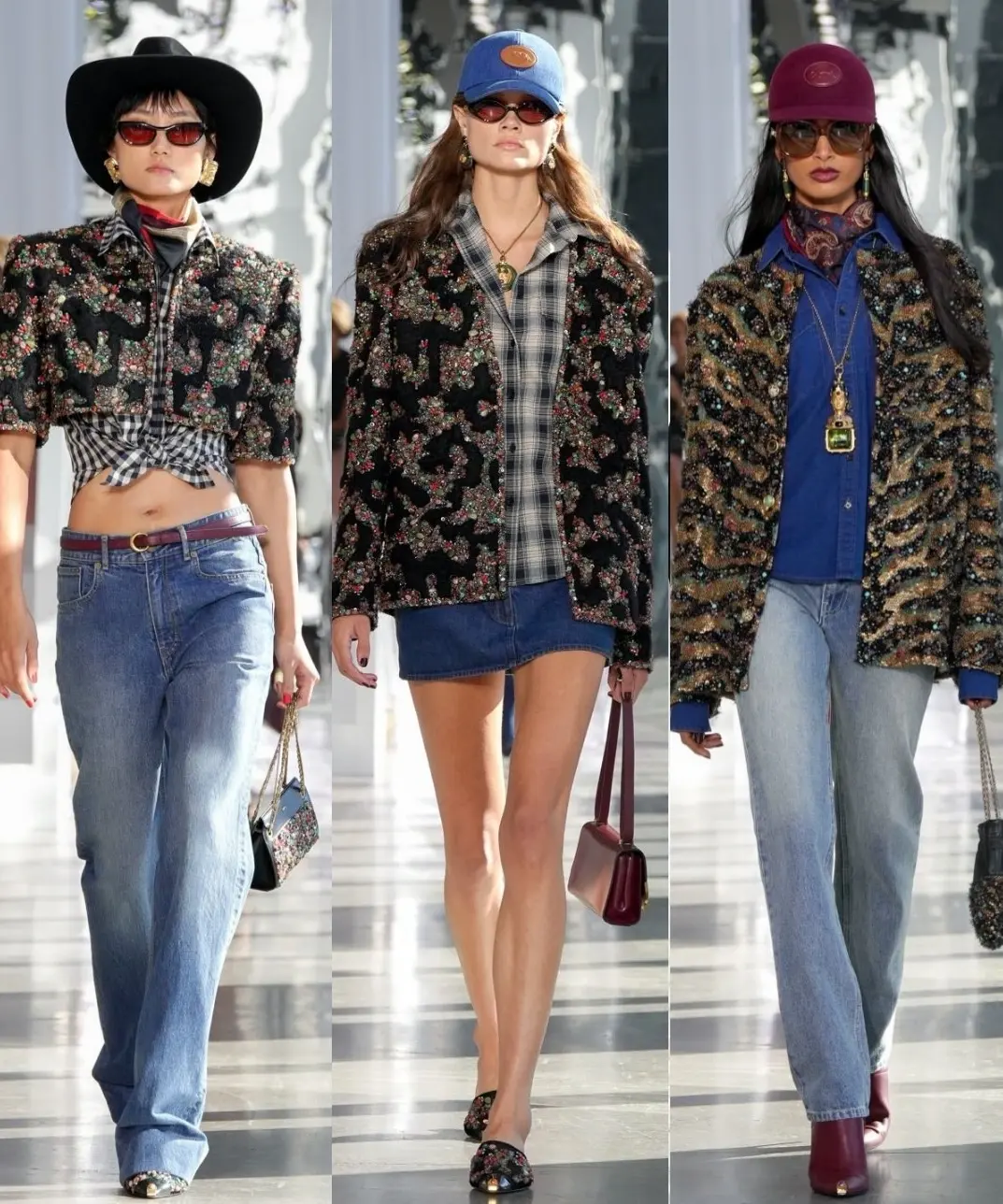
The colour story was grounded rather than excessively bright. Washed indigo and classic blue denim appeared throughout, joined by black, cream, grey and earthy brown. Deep burgundy and oxblood tones brought warmth, while floral surfaces and flashes of metallic gold pushed the collection into richer territory.
This relatively restrained clothing palette also created the perfect background for the jewellery. Against denim, tailoring and muted outerwear, large gold pieces and coloured gemstones became even more powerful.
The Met Jewellery Becomes the Second Story
Running alongside the fashion collection was one of the evening’s most important debuts, The Met x Sabyasachi high jewellery collection.
The partnership marks the beginning of a multiyear collaboration with The Metropolitan Museum of Art. For its first chapter, Sabyasachi explored the museum’s Byzantine holdings as well as objects connected to Greek, Roman, Medieval and Islamic art. The designs were then handcrafted in India.
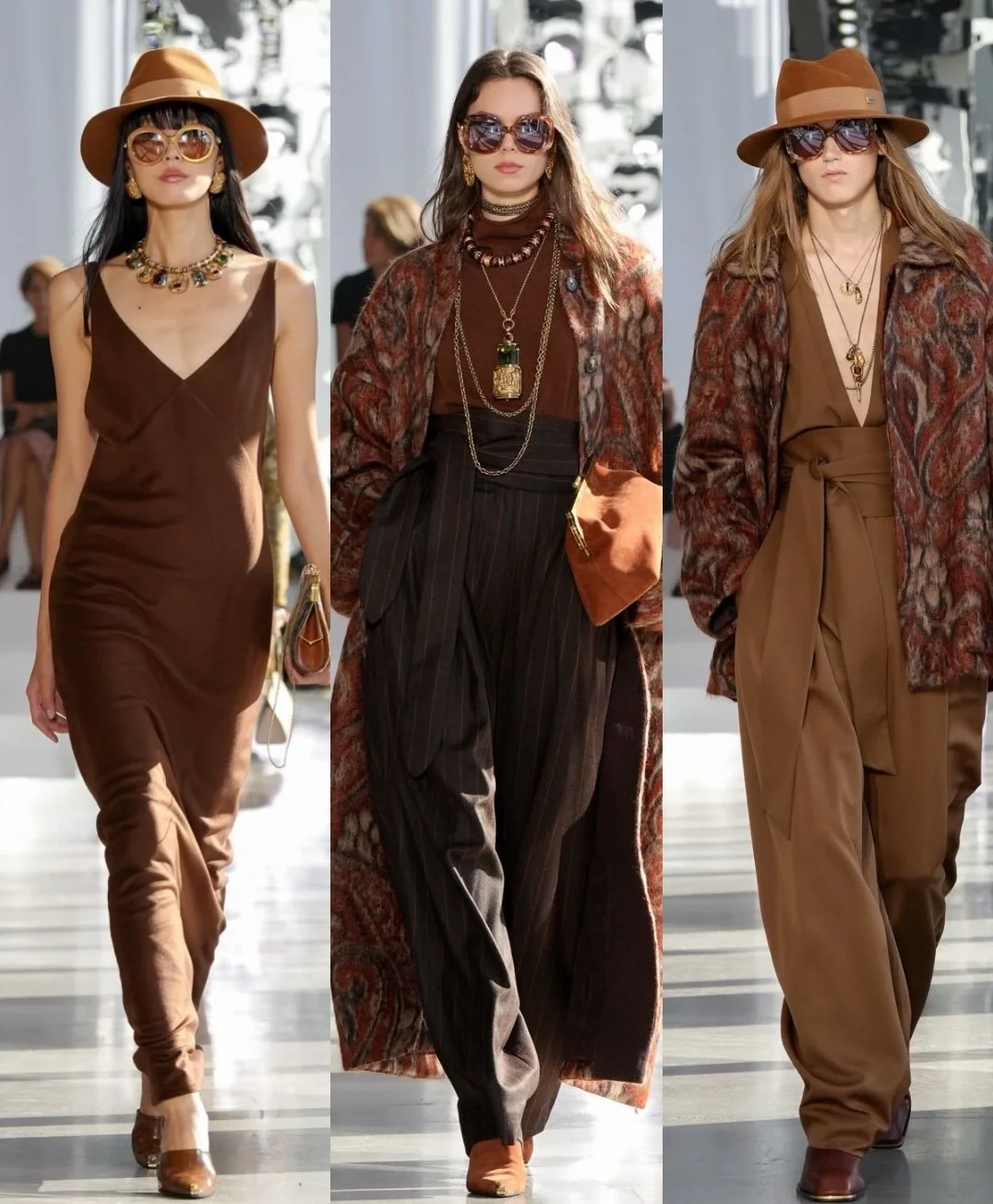
On the runway, the jewellery was deliberately substantial. Thick gold cuffs, oversized rings and pendant necklaces punctuated otherwise relaxed clothes. References included imperial medallions, architectural ornament, ancient statuary, Islamic coins and historic stone setting techniques.
Sabyasachi’s research also led him back toward India. He has spoken about similarities between Byzantine, Sicilian and Bengali jewellery, as well as techniques such as Navratna and Jadau, and the way pearls, filigree and hand set stones travelled across cultures long before luxury became geographically compartmentalised.
That makes the jewellery feel central to the collection rather than an accessory to it.
A Collection That Feels Indian Without Being Defined by Geography
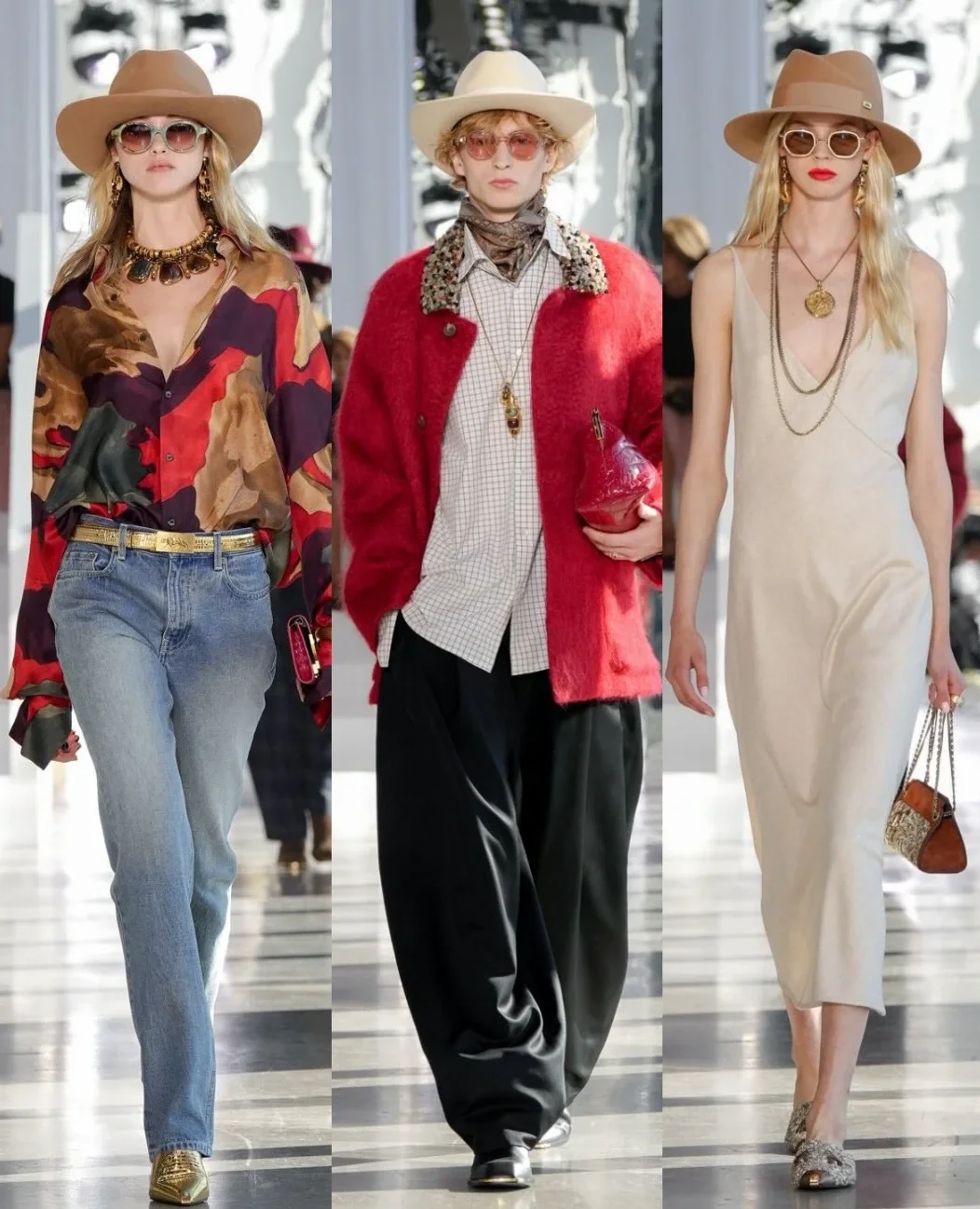
The most successful idea in Bengal Byzantine Broadway is that Indian fashion does not need to look conventionally Indian to remain deeply connected to India.
Sabyasachi took denim, cowboy hats, Western shirts and international tailoring, then filtered them through a culture of hand embroidery, jewellery making and decorative craftsmanship. Byzantium provided the historical bridge. New York supplied the contemporary context. Bengal provided the point of view.
The collection therefore feels global without becoming generic.
For Sabyasachi, that may be the bigger achievement of his NYFW return. He was not showing New York what Indian fashion could become. He was showing how confidently Indian luxury can already participate in the wider world.