The waistline is the line encircling the waist that divides the upper torso of a garment from the lower. It corresponds to the natural waist, though most styles put it somewhere else deliberately, and it is also the line where the skirt and bodice of a dress join.
Where that line sits changes the apparent length of your torso and legs, the width of your waist and hips, and where the eye settles. The whole concept exists to create an hourglass silhouette, and waistlines are classified by three things: shape, depth and position on the body. Beyond cut and stitching, embellishment is frequently used to mark the line as well.
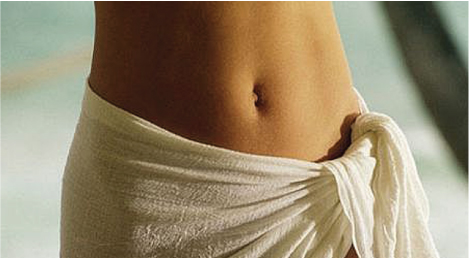
The natural waistline
The seam sits at the natural waist, between the ribcage and the hips. It is the reference point all the others are described against, and it keeps a garment in balance and proportion.
Works well for. An hourglass figure, which it enhances and makes more curvaceous. The condition is real though: you need a narrow, slender waist for this line to flatter, because it marks exactly where your waist is.
Avoid if. You have a wider waist, since it accentuates the width directly. Petite figures should also avoid it, because a horizontal line at the middle cuts the body in two and makes you appear shorter.
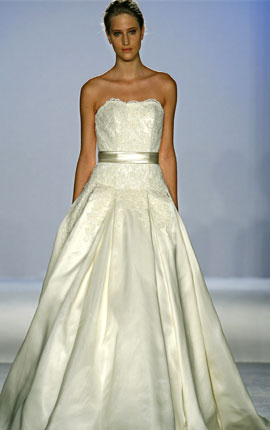
The empire or raised waistline
Named after the Empire period in France, this waistline is a horizontal cut across the body just below the bust. The seam sits three to five inches above the natural waist, and the garment falls away from it in a slight A-line.
The result is a free-flowing, smooth drape, and it is the most universally useful waistline in this list. It complements almost any body type and is unusually good at concealing what you want concealed while showing what you want shown.
Works well for. Concealing heavy hips, buttocks, abdomen and thighs, which makes it the strongest choice for a pear shape. It camouflages a wider waist and makes it appear narrower. It enhances a smaller bust. And it makes petite figures appear taller and more curvaceous.
Avoid if. You have a larger bust. The empire line accentuates the bust directly, and for an apple shape it is a genuine mistake.
One practical warning. Choose a rich fabric with some sheen. A plain, dull cotton empire dress reads as maternity wear or a nightgown, and the fabric is what separates the two.
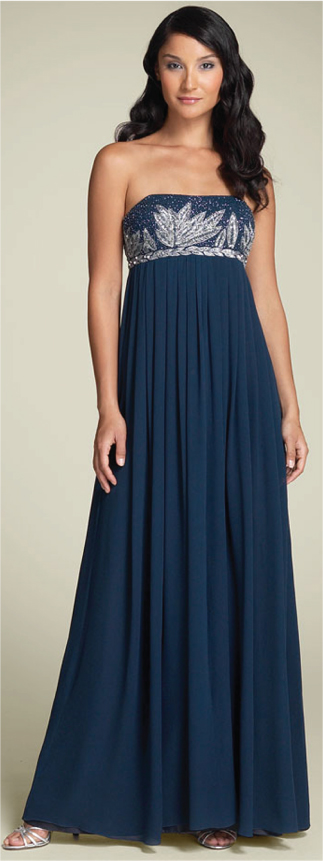
The basque or antebellum waistline
Identified by an elongated V extending about two to three inches below the natural waist. The shape is wider at the hips and tapers downward to meet at a single point.
That downward point is what does the work. It lengthens the torso and pulls the eye down and inward, which narrows everything it passes.
Works well for. An hourglass figure, whose curves it enhances. A fuller body, or wider hips and waist, where it makes both appear more slender, which is why it suits a pear shape. And petite figures, which it makes taller and more defined.
Avoid if. Your abdomen is not toned. This waistline sits directly over the stomach and follows it closely, so it shows what is underneath rather than skimming it.
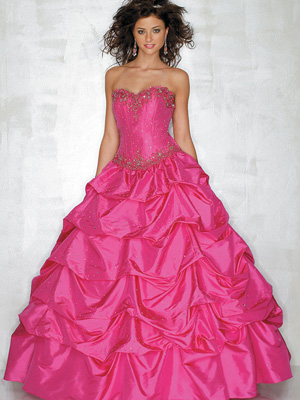
The dropped waistline
A horizontal line falling three to four inches below the natural waist, around the level of the upper hips.
Works well for. Petite figures, which it elongates through the waist and torso and makes taller. It suits an hourglass figure particularly well, and it balances the upper and lower halves of the body into an hourglass line where one does not already exist.
Avoid if. You have narrow shoulders, unless you pair it with an off-shoulder neckline, which broadens the top and restores the balance. Also avoid it if you already have a long waist, since it adds further length and puts the body out of proportion.
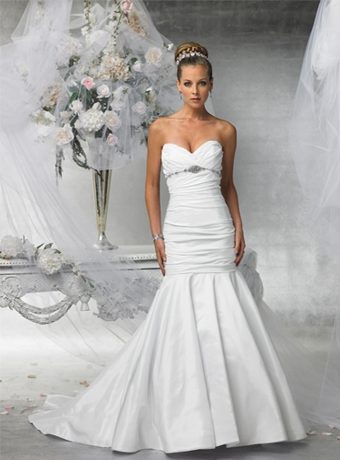
The asymmetrical or diagonal waistline
Runs diagonally across the body, with the waist height changing continuously from one side of the dress to the other.
Because the line is diagonal rather than horizontal, it never cuts the body cleanly in half. That is the whole advantage.
Works well for. Elongating the waist and making you appear taller. Fuller figures look both slimmer and taller in it.
Avoid if. You are petite. The long diagonal line consumes a large part of a short torso and makes the rest of the body appear shorter.
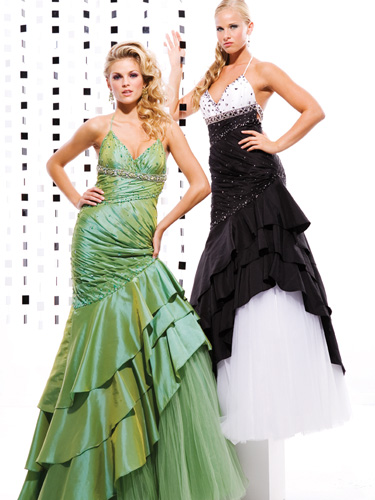
No waistline: princess seams
Princess seams are long, rounded seams sewn into a garment that create no waistline at all. Instead of dividing the torso horizontally, they run vertically from the shoulder, over the bust line, down to the hem, following the shape of the body closely and carrying the shaping in the seam itself.
Because there is no horizontal break anywhere, the effect is strongly elongating and slimming. This is the construction to look for when you want shape without any dividing line, and it is frequently used in A-line dresses.
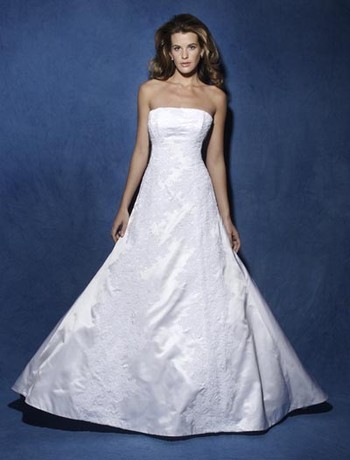
The U-shaped waistline
A softer version of the basque. It is high at the center and drops at the sides, forming a U rather than a point, and it can sit as high as the bust line. It is most often positioned around the hips.
Because the curve is gentler than the basque’s sharp V, it is more forgiving over the stomach while producing a similar lengthening effect.
The inverted U-shaped waistline
The same idea reversed, with a smooth downward curve rather than an upward one.
Quick reference
| Waistline | Position | Best for | Avoid with |
|---|---|---|---|
| Natural | At the true waist | Hourglass, slender waist | Wider waist, petite frames |
| Empire | 3 to 5 inches above | Pear shape, wider waist, small bust, petite | Larger bust, apple shape |
| Basque | 2 to 3 inches below, V-shaped | Hourglass, pear shape, petite | Untoned abdomen |
| Dropped | 3 to 4 inches below | Petite, hourglass, balancing halves | Narrow shoulders, long waist |
| Asymmetrical | Diagonal | Fuller figures, adding height | Petite frames |
| Princess seams | No waistline | Elongating and slimming, any shape | Nothing in particular |
| U-shaped | Curved, often at the hips | A softer basque effect | Same cautions as basque, less severe |
Frequently asked questions
Which waistline suits the most body types?
The empire. It complements almost any figure, conceals the hips and abdomen, and adds apparent height. The main exception is a larger bust.
Which waistline makes you look taller?
The dropped waist and the asymmetrical waist both elongate, and princess seams do it by removing the horizontal line entirely.
Why does my empire dress look like maternity wear?
Almost always the fabric. Plain, dull cotton in an empire cut reads as maternity or nightwear. A richer fabric with some sheen does not.
What is the difference between a basque and a dropped waistline?
Shape. A basque forms a V that tapers to a point below the waist; a dropped waist is a straight horizontal line lower down.
See also the necklines guide, body types and how to appear taller.