The abaya is a loose, floor-length overgarment worn over ordinary clothing, most closely associated with Saudi Arabia and the wider Gulf. It is worn when a woman leaves the house and removed when she returns, which makes it less a garment in the Western sense than an outer layer with a specific social function.
What an abaya is
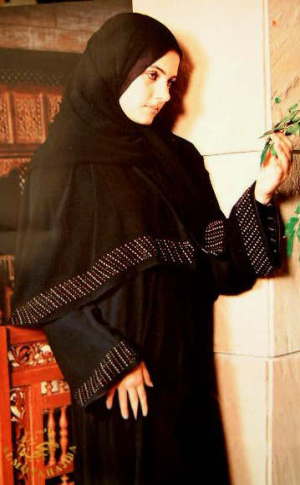
The defining features are consistent wherever it is worn. An abaya is full length, reaching the floor or close to it. It is long-sleeved. It is cut loose enough that it does not follow the shape of the body underneath. And it opens or drapes from either the shoulders or the head, depending on the regional style.
It covers the whole body, leaving the face, hands and feet visible. That is the design brief in a sentence, and every variation in cut works within it.
Where it is worn
The abaya is the customary outer dress across much of the Arabian Peninsula, including Saudi Arabia and the United Arab Emirates, and it appears elsewhere in the Gulf region. It is not universal among Muslim women worldwide. Different regions have their own equivalents, and the abaya is the specifically Gulf answer to the same question.
How it is cut
There are two broad constructions, and the difference is where the garment hangs from.
- Shoulder abaya. Draped from the shoulders like an open coat or a long robe. This is the more common modern cut and the one that reads as closest to outerwear.
- Head abaya. Draped from the crown of the head, so the garment and the head covering flow as a single line. This is the more traditional form.
- Caftan style. A long, closed caftan cut, pulled on rather than opened at the front.
Abaya, hijab and niqab are not the same thing
These three words are frequently used as if they were interchangeable, and they are not. Each names a different piece of clothing that covers a different part of the body.
- Abaya. The body garment. Full-length, worn over clothing.
- Hijab. The headscarf, covering the hair and neck. Worn with the abaya, not instead of it.
- Niqab. A face veil, leaving the eyes visible. Optional, and worn in addition to the other two where it is worn at all.
A woman wearing an abaya may wear all three, or only the first two. They are separate garments layered by choice and custom.
Color and contemporary styles
Black remains the default and by far the most common color, to the point that many people assume it is a requirement. It is not. Colored abayas have moved firmly into the mainstream, and designers now work in a broad palette.
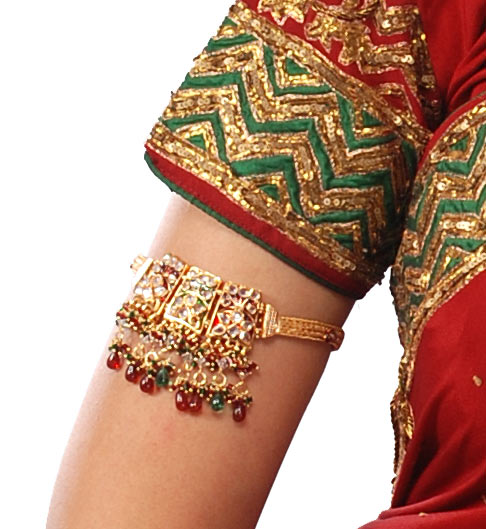
Decoration has followed. Contemporary abayas carry embroidery, beadwork, contrast panels, hand-worked cuffs and detailing along the front opening and hem. Sleeve treatments have become a particular focus, since the sleeve is one of the few places a designer can add interest without altering the coverage the garment exists to provide.
The result is a garment that has become a real design category rather than a uniform, while keeping its function unchanged.
What the abaya is for
The traditional purpose is modesty: a loose outer layer that conceals the shape of what is worn beneath and keeps private dress private in public. Everything about the standard cut follows from that. The looseness, the length and the long sleeve are not stylistic accidents.
Understanding that makes the modern colored and embroidered versions easier to read. They are not a departure from the garment’s purpose. The coverage is identical; only the surface has changed.
Frequently asked questions
Does an abaya have to be black?
No. Black is traditional and still dominant, but colored abayas are widely worn and widely sold.
Is the abaya worn instead of other clothes?
No. It is an outer layer worn over ordinary clothing when leaving home, and taken off indoors.
What is the difference between an abaya and a burqa?
An abaya is a body garment that leaves the face open. A burqa is a full covering that includes the face, usually with a mesh or grille over the eyes. They are different garments associated with different regions.
How should an abaya fit?
Loosely, and long. It should skim rather than follow the body, and the hem should reach the floor or close to it. Sleeves should cover the wrist.