
Fall Winter- 2009/2010
Fabric, Prints & Detailings
This season, you may find exquisite prolixities on all garments and accessories that you come across. However, the recession has made them timeless, bold, bright, functional, durable, rough, tough yet trendy and classy.
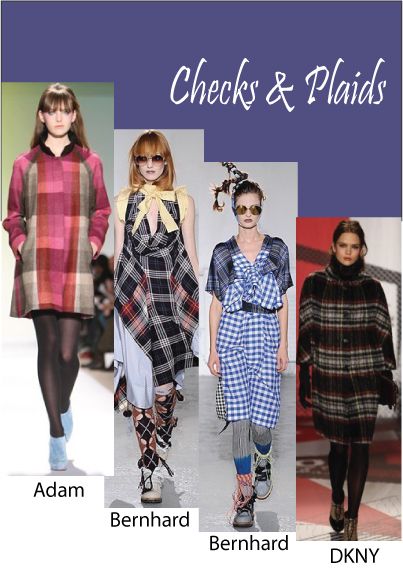
Checks and plaids are back with a bang. The very basic colors like blues, blacks, browns and reds may set the mood for the season. Wear nautical checks done in combination of blues, reds and whites.
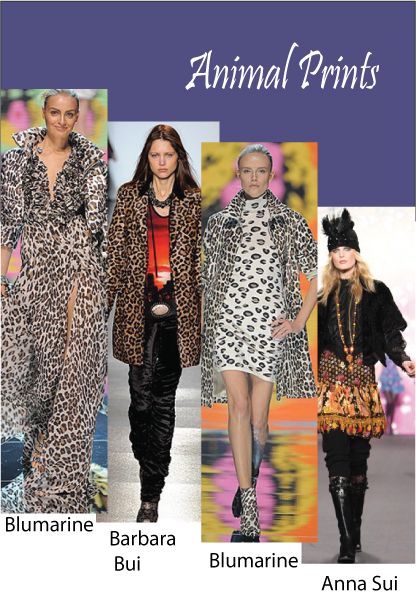
Animal prints from the wild life are still haute, with Zebra and leopard prints reigning the trend.
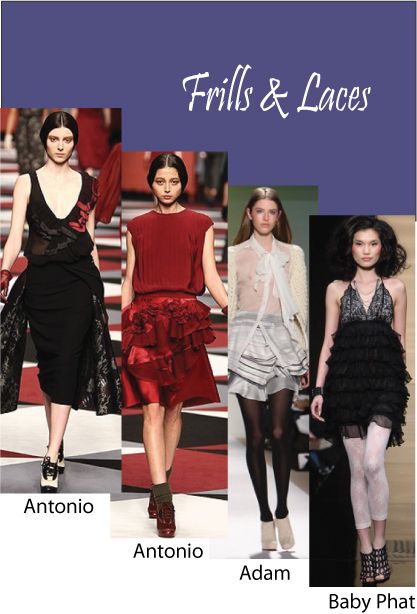
Laces and burlesque styles are huge. Get those fairy tale satin bodices with intricate patterns of exquisite laces set here and there to set the party mood. This season, be subtle, feminine, delicate and soft with these timeless, tried and tested means.
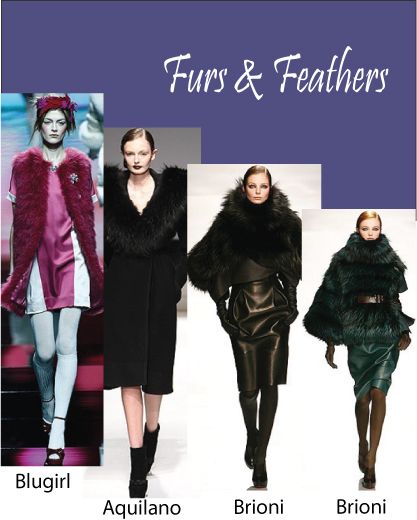
Furs, mock furs, animal skins, leathers, feathers and mohairs are all to be seen incorporated into your garments and accessories to fetch you the bold, wild yet trendy and classy look. They are textured, luxurious huge and dominating. The various fastenings, like buttons, zippers, etc, will be big, attention grabbing and eye-catching.
Faux Fur Stoles and Scarves are plush and glamorous. Furs are always trendy and sporty. They are playful, sexy, saussy and hot and may help you set the right diva like look for the winters.
Wear ruffles, laces, plaids, zippers, chains, studs, beads and sequins to add a tinch of sparkle and glamor in almost all what you wear and carry.
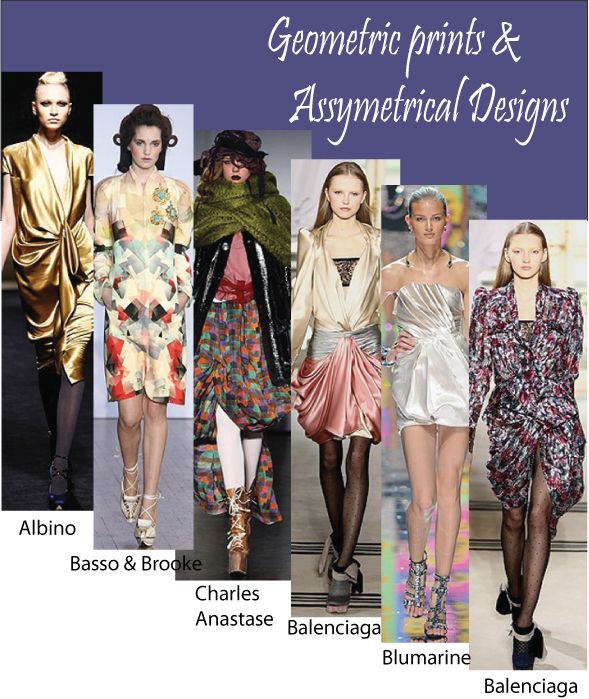
Brocades, ethnic and indigenous patterns, folkloric themes, mosaics, mirror works, tribal prints and motifs, geometrical patterns, asymmetrical designs and cuts, drapes, bizarre stylized motifs, braids and cut works are all haute and happening.
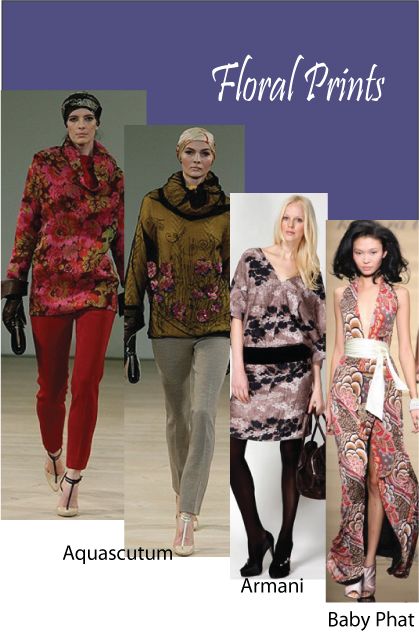
Wear the elegant, exotic and highly feminine floral prints in almost all that you can afford to lay your hands on. These lush and painterly floral prints are never out. Sport these flower patterns on accessories, bags, belts, shoes, scarves, swimsuits, sleep wears, jeweleries, necklaces, rings, bangles and bracelets. The versatile and infinite patterns of flowers can be featured as prints that are abstract, crazy, creative and painterly enough to be just the child of an artist's imagination. They may also look real enough to make you wonder on the artist's eye for such prolixity.
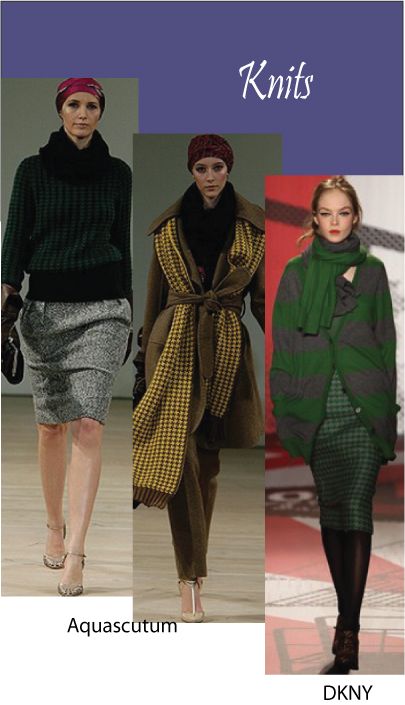
Knitwear is trendy and haute this season. Get them in various bold cables and knits with big pockets and collars too. Belted ones may make you look hotter and sexier.
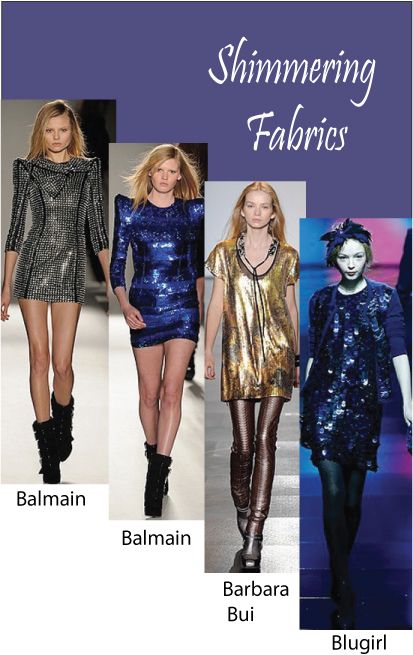
Glitter is really hot. Shimmering fabrics are so in. Sequins and sheen are desirable and apt to combat the gloomy winters. Combine knitwear and glitter to sizzle the season with your grace and style. You can search your trunk to find one woven by your granny and add a touch of sparkle by stitching in few sequins or beads here and there.
Jackets, shirts, dresses and sweater featuring cinched waists reflect the French inspired retro look of the 1940's. Remember, the world of fashion moves round to embrace all that was a past to make it a thing of the presents. All that is once new gets old and the old takes the front seat.
Belts are to be seen more often on jackets, overcoats, skirts and trousers. Wear your sweater, cardigans and jackets and accessorize them with belts to catch the fashion trend of the season.
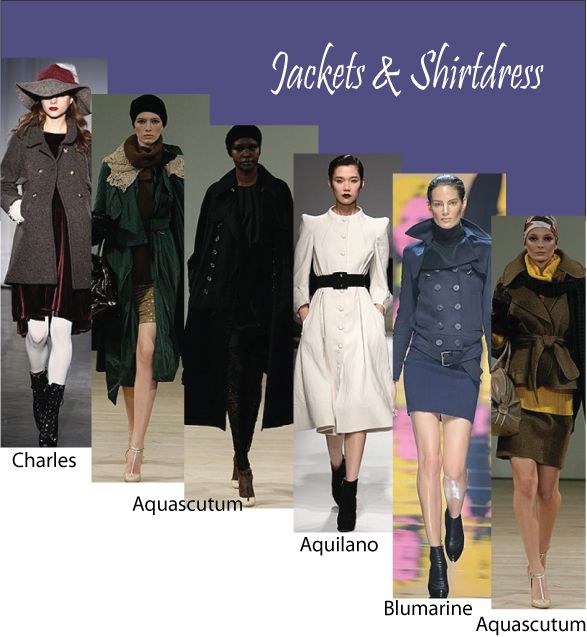
The trend of fusion is still to be seen in the way feminine clothes are incorporating manly trends into their dresses, clothes and accessories. A tailored blazer done on masculine lines like shift dresses and shirt dresses in fabrics like tweed may fetch you hot looks.