There is a persistent belief in India that a career in fashion is only for the wealthy, and that the point of studying fashion is to launch your own label or boutique. A great many people who would have enjoyed the industry never enter it because of that assumption.
The reality is different. Away from the fashion shows the media covers, a large number of fashion graduates hold responsible, well-paid positions across the apparel industry. This guide sets out what those jobs actually are.
By Paramita Mazumder.
The fashion job market
The stated objective of most reputable fashion institutes is to produce technically competent professionals in fashion design, technology and management, capable of leading an Indian industry that competes globally.
The apparel industry has expanded well beyond what most people picture, and competition has pushed companies to run every department properly. That has increased the demand for specialists in each one, which is where the jobs are.
How an apparel company is organized
Large brands and companies divide into four broad functions.
- Fashion research and analysis. Every designer, merchandiser and market research consultant works from fashion research before any line or collection begins. The industry needs forecasting expertise for every merchandise category.
- Design and product development. Creating new styles within the company’s identity, shaped by the socio-cultural and economic environment.
- Production. Overseeing manufacture as efficiently as possible, whether in-house, outsourced or offshore.
- Sales. Promoting the line to buyers through publicity, advertising and the support materials manufacturers supply to retailers, adjusted globally to suit local markets.
How the hierarchy works
Top managers set long-term plans, decide brand policy and determine the company’s direction. Below them sit three levels of management, with front-line supervisors and middle managers reporting upward.
To take design as an example: the director of design holds departmental responsibility, while associate and assistant designers are first-line managers with shared responsibilities.
The structure below is broadly common across the industry, though it varies with the size of the company and its production capacity.
Design
Fashion designers create clothing and lifestyle accessories for a defined group of people within the cultural and social context of a period or season. Designers in the apparel industry do extensive market research before designing anything, working within trend reports, forecasts, mass-market requirements and competitive price points.
Specialization is now normal. Designers work in fashion design, leather design, accessory design, textile design or knitwear design.
| Role | Responsibilities | Skills | Qualifications |
|---|---|---|---|
| Design director or head designer | Heads the design team | Merchandising background, technical skills, fabric sourcing knowledge, ability to communicate with sales | Masters in Design, Masters in Fashion Technology, BA in Fashion |
| Designer | Assists the head designer. Responsible for concepts, sketches, fabric and trends, and oversees all aspects of the design room | Strong technical knowledge, able to conduct preliminary fittings, communicate ideas to staff, and know the current market and competition | Masters in Design, Masters in Fashion Technology, BA in Fashion |
| Associate designer | Works with the designer across all aspects of design. A step up from assistant designer | Technical knowledge, fabric and trim sourcing, aesthetic judgement, sketching for presentation boards, verbal and organizational skills | Masters or BA in Fashion, Diploma in Fashion Design or Technology |
| Assistant designer | Entry level. Shops trims and fabrics, follows up on samples and cuts, arranges and attends client meetings, assists with presentation boards | Technical background in fashion, clear understanding of the design development process | Masters or BA in Fashion, Diploma in Fashion Design |

Merchandising
Merchandisers work across management, design, production and sales to ensure the finished product is executed correctly and on time. Design staff ordinarily take their direction from the merchandiser, which makes this a more central role than its name suggests.
Employment options for merchandising graduates include merchandiser, visual merchandiser, merchandise planner, corporate management, store manager, manufacturer’s representative, operations manager, product or brand manager, sourcing assistant, quality assurance, sales representation and showroom manager.
| Role | Responsibilities | Skills | Qualifications |
|---|---|---|---|
| Vice president of merchandising or design | Works with sales, design and production. Conducts buy meetings, manages sample approval, store communication and order follow-up | Technical expertise in design, merchandising, product development, sales and production. Trend identification and fabric sourcing. Overseas experience required | Masters in Merchandising and Management, Fashion Management or Fashion Technology, BFTech in Apparel Production |
| Associate merchandiser | Assists the merchandiser | Strong organizational and communication skills, good color sense, analytical skills, garment construction, costing and fabric sourcing | Masters in Fashion Management or Fashion Technology, BFTech in Apparel Production, Bachelors in Fashion Design |
| Assistant merchandiser | Entry level. Assists the merchandiser and handles follow-up communication | Strong organizational and communication skills, color sense, fabric knowledge | Masters in Merchandising, Fashion Management or Fashion Technology, BFTech, Bachelors or Diploma in Fashion Design or Technology |

Fashion technology
Fashion technologists combine technology and management for apparel manufacturing, and develop the capability to offer strategic solutions.
| Role | Responsibilities | Skills | Qualifications |
|---|---|---|---|
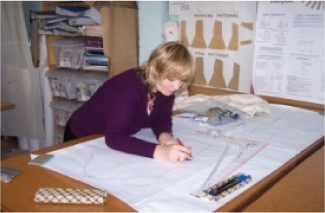
| Pattern maker | Making patterns across sizes, manually and on computer, with grading | Knowledge of sizing for women’s, children’s and men’s categories across the UK, USA, UAE and Indian markets | Masters in Fashion Technology, BFTech in Apparel Production, Bachelors or Diploma in Fashion Design or Technology |
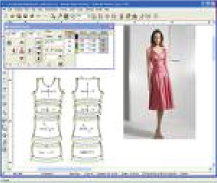
| Technical designer or spec-tech | Pattern making on current software | Strong pattern making, fit and grading experience, product development background, ability to work with key accounts | Masters in Fashion Technology, BFTech in Apparel Production, Bachelors or Diploma in Fashion Design or Technology |
| CAD operator | Designing on current software and building the company’s digital portfolio | Flat sketching, good color sense, communication skills, working knowledge of CAD systems | Bachelors in Fashion Communication or Fashion Design, BFTech, Diploma in Fashion Design or Technology |
Fashion research and development
These roles were added by larger forecasting companies, garment manufacturers and private-label companies to support the designer. The industry needs forecasting expertise across every merchandise category.
| Role | Responsibilities | Skills | Qualifications |
|---|---|---|---|
| Colorist | Preliminary approval of lab dips, knit downs, handlooms and strike offs, ensuring every color matches the standard | Textile knowledge and an excellent eye for color | Masters in Design or Fashion Technology, BA in Fashion, Bachelors in Fashion Communication |
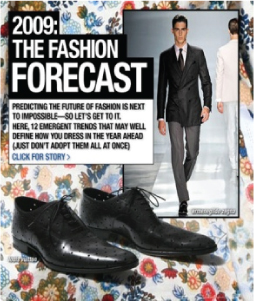
| Fashion forecaster | Researching and forecasting trends in apparel and textiles for each season | Deep knowledge of changing trends | Masters in Design or Fashion Technology, BA in Fashion, Bachelors in Fashion Communication |
Fashion communication
With so many brands, companies and designers competing for attention, developing a distinct brand identity and maximizing its visibility has become essential. Fashion communication professionals extend design strategy beyond the product into every aspect of communication design.
The specialisms include visual merchandising, exhibition and display design, fashion journalism, styling, photography, advertising and public relations.
| Role | Responsibilities | Skills | Qualifications |
|---|---|---|---|
| Fashion stylist | Making people and objects look good in order to make a statement | Strong aesthetic judgement, knowledge of international fashion trends | BA in Fashion, Bachelors in Fashion Communication |
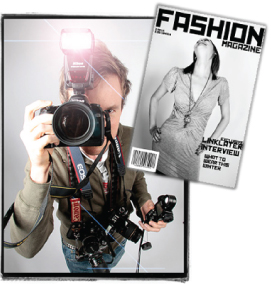
| Fashion photographer | Shooting garments and collections for design houses, designers, magazines and portfolios | Traditional film shooting on location, plus current digital workflow from capture through post production, with everything available to clients in-house | Courses in photography, Bachelors in Fashion Communication |
| Fashion journalist | Writing on fashion events, designers and brands | History of costume, forecasting, trends, and knowledge of designers and their work | Fashion journalism, Bachelors in Fashion Communication |
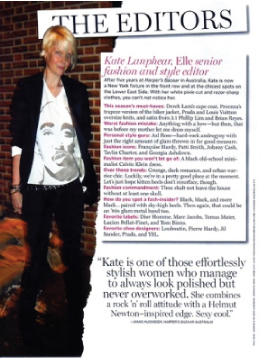
| Fashion editor | Selecting articles and planning publication for fashion magazines | Editorial judgement across the field | Masters in Design or Fashion Technology, BA in Fashion, Bachelors in Fashion Communication |
How graduates find these jobs
Many reputable fashion institutes run an industry linkage unit that arranges campus placements for graduating students. The companies attending come from across the industry: large retailers, brand marketers, manufacturers, consultancies, textile mills, home furnishing companies, design outsourcing firms, technology providers and large apparel manufacturers.
Both national and international companies recruit through campus placement. Beyond that, most advertise on job sites and in local and national newspapers.
Frequently asked questions
Do I need to start my own label to work in fashion?
No. The great majority of fashion graduates work within apparel companies across design, merchandising, technology, research and communication.
What is the usual entry-level role?
Assistant designer or assistant merchandiser. Most graduates begin at one of these.
What does a merchandiser do?
Coordinates management, design, production and sales so the finished product is executed correctly and on time. Design staff generally take direction from the merchandiser.
Which roles suit someone more interested in writing than designing?
Fashion communication: journalism, editing, styling, photography, advertising and public relations.
See our directory of fashion institutes in India and the top ten ranked institutes.