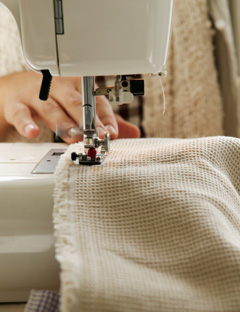
Pattern making needs a specific set of tools, and several of them do jobs that nothing else will do. This is the full list, grouped by task, with what each one is for.
Cutting
Paper cutting scissors
Kept separate from fabric scissors, which is not a preference but a requirement. Paper blunts blades quickly, and a pair used on paper will never cut fabric cleanly again.
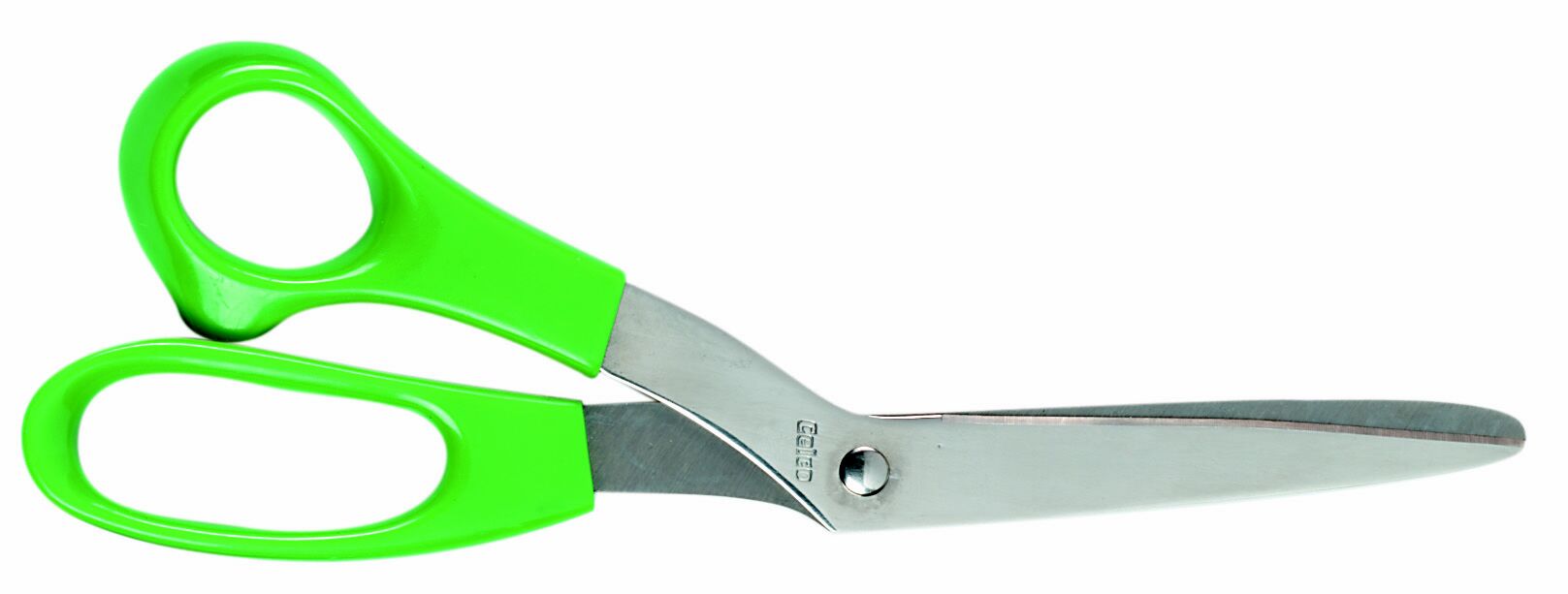
Fabric cutting scissors
Used on cloth only, for the reason above.
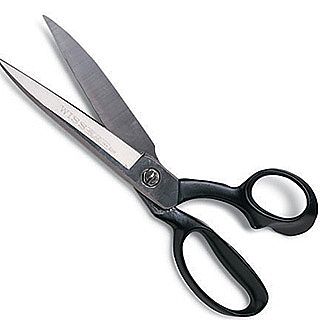
Thread cutter
For trimming thread ends without reaching for shears.
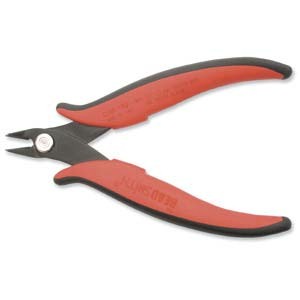
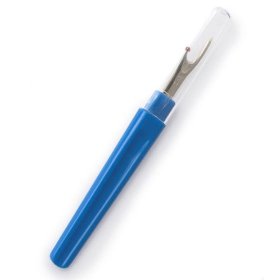
Seam ripper
For unpicking stitching. Sewing involves undoing at least as much as doing, and a ripper removes a seam without cutting the fabric either side of it.
Paper and marking
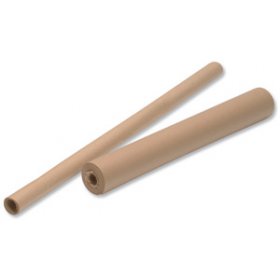
Brown paper
The pattern paper itself, strong enough to be handled repeatedly without tearing.
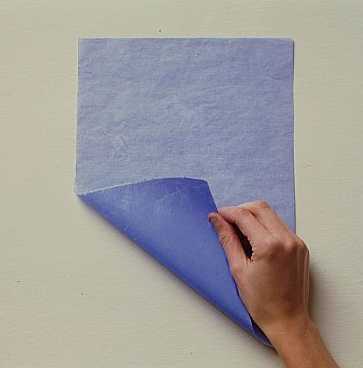
Carbon and tracing paper
For transferring pattern markings onto fabric, used with a tracing wheel.
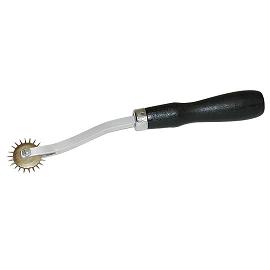
Tracing wheel
Rolled over the pattern to press markings through the carbon paper onto the fabric below.
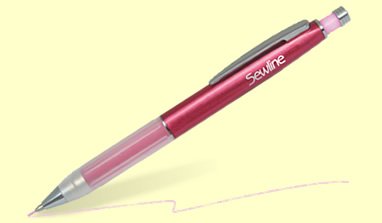
Fabric pen
For marking directly onto cloth.
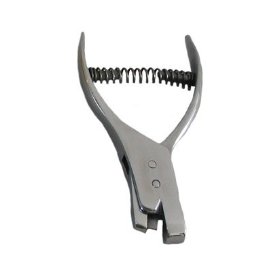
Pattern notcher
Cuts small notches into the edge of a pattern piece. Those notches are the alignment marks that tell you which edge matches which when the pieces are joined, and a garment assembled without them is guesswork.
Measuring and drawing curves
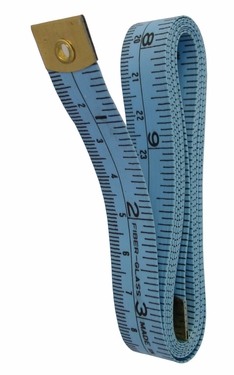
Measuring tape
For body and garment measurements.
Scale or ruler
For straight lines and measured distances on the pattern.
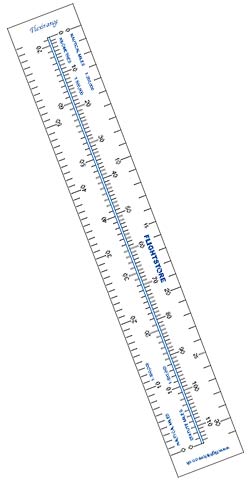
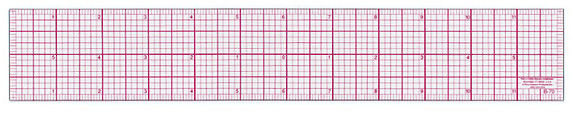
See-through grading scale
Transparent, so you can see the pattern underneath while measuring. This is the tool used to grade a pattern up and down through a size range.
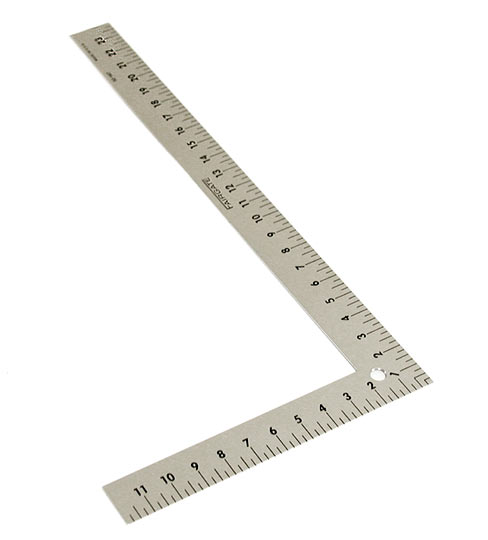
L-square
For establishing true right angles, which is what keeps a pattern square to the grain of the fabric.
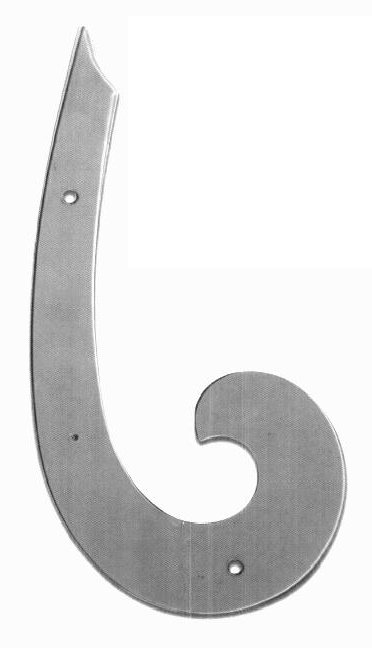
French curve
For drawing the smooth curves a straight ruler cannot: necklines, armholes and similar shaped edges.
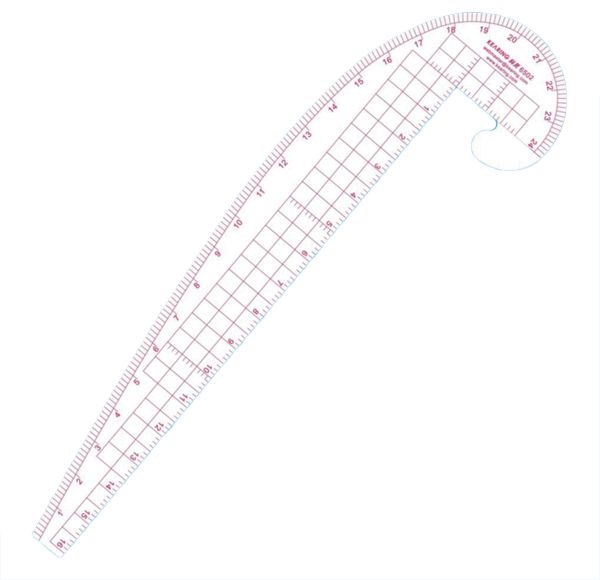
Hip curve
A longer, shallower curve than the French curve, used for hip lines, hems and lapels.
Holding things in place
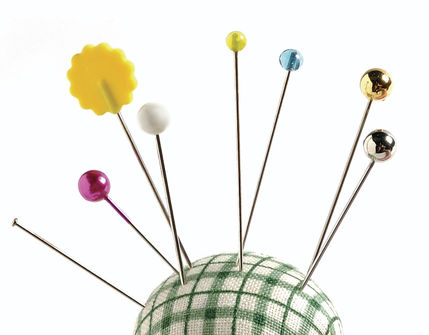
Pins
For holding fabric pieces together before stitching.
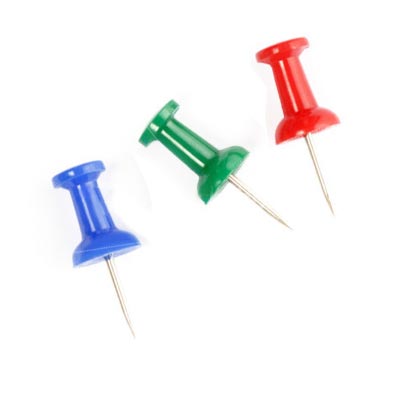
Push pins
For fixing patterns to a work surface or a dress form.
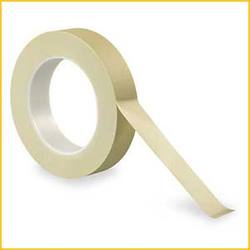
Masking tape
For joining pattern paper and marking lines on a dress form.
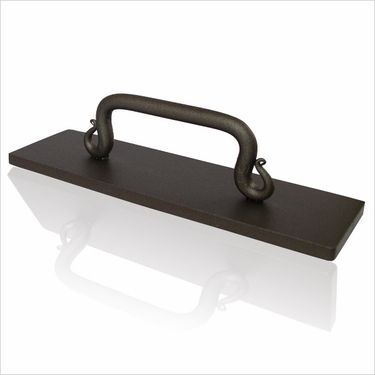
Fabric weights
Hold a pattern flat on the cloth without pinning through it, which matters on fabrics such as leather and coated materials where a pin hole is permanent.
Pressing and sewing
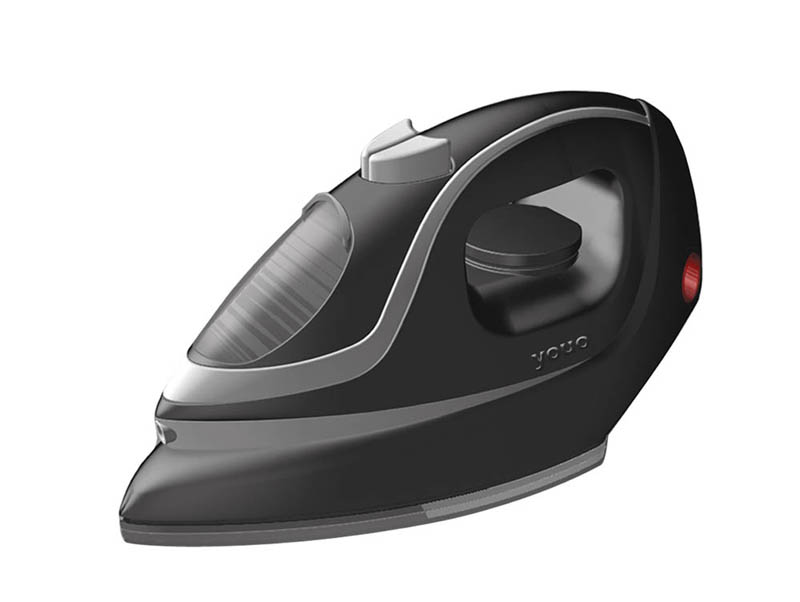
Steam iron
Pressing is a construction step rather than a finishing one. Seams are pressed as they are sewn, and a garment assembled without pressing at each stage never sits properly.
Ironing board
Sewing machine
Frequently asked questions
Why keep separate scissors for paper and fabric?
Paper blunts blades. A pair used on paper will not cut fabric cleanly afterward.
What does a pattern notcher do?
It cuts small notches into pattern edges. Those notches are the alignment marks used to match pieces during assembly.
What is the difference between a French curve and a hip curve?
The French curve is tighter, for necklines and armholes. The hip curve is longer and shallower, for hips, hems and lapels.
Why use fabric weights instead of pins?
On leather, coated fabrics and similar materials, a pin hole is permanent. Weights hold the pattern without piercing.
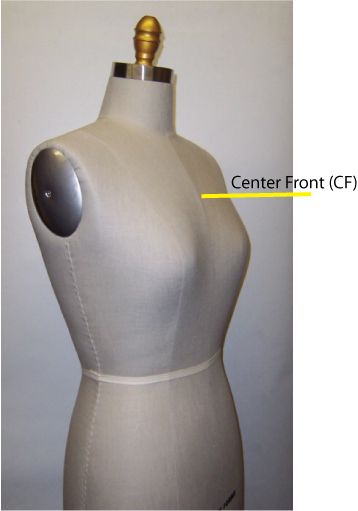
See also landmark terms on the dress form and the guide to fabrics and sewing techniques.