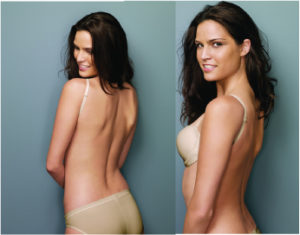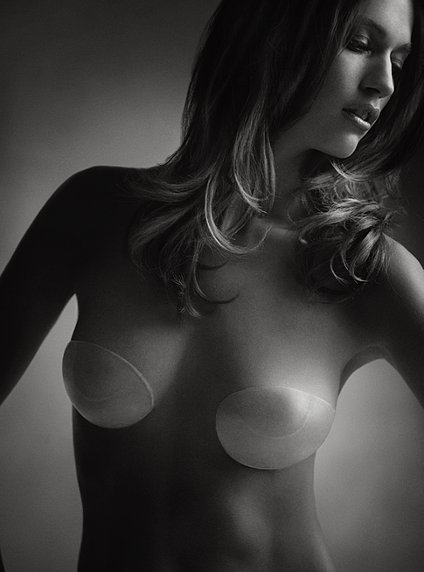
Lingerie is a large category and the names are not always obvious. A bustier and a corselet look similar and do different jobs. Briefs, knickers and tap pants all describe different cuts. This guide sets out every garment type, grouped by what part of the body it covers.
Lingerie for the upper body
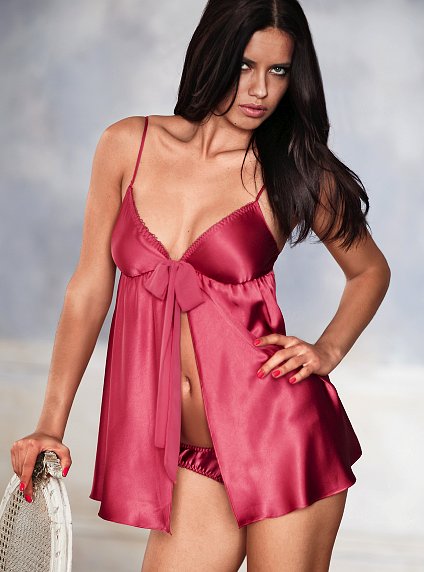
Baby dolls
A short, loose nightdress that falls from a fitted bust to a flared hem, usually ending at or above the hip. It is designed to skim rather than shape, which makes it one of the more comfortable pieces in the category.
Bras
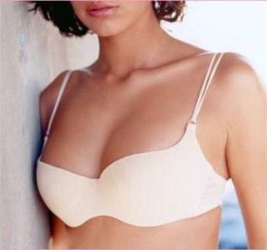
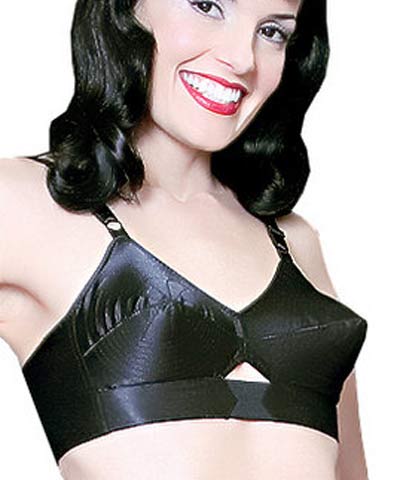
The core garment of the category, built to support, lift and shape. Bras come in more variations than any other piece of lingerie, covered across our bra categories guide.
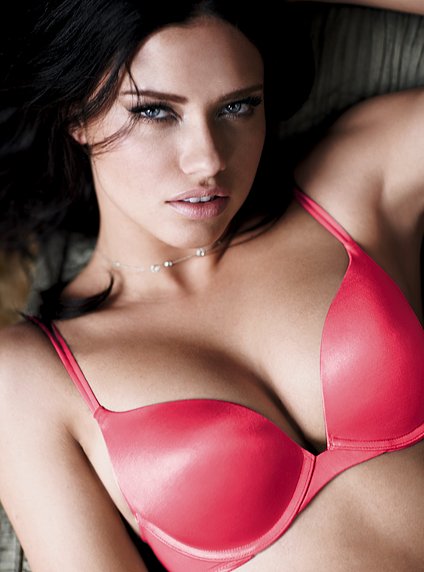
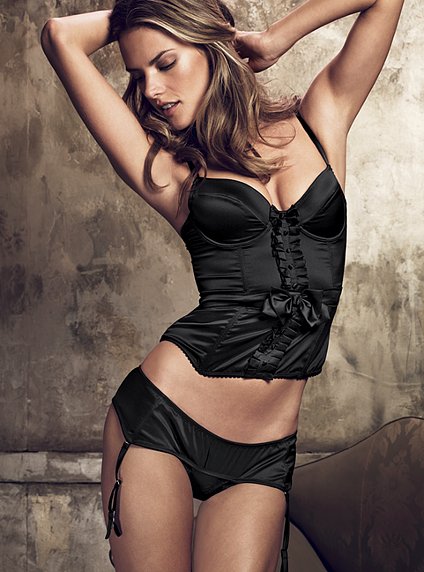
Bustiers
A close-fitting garment covering the torso from the bust to the waist or hip. It combines the support of a bra with a shaped body, and unlike a corset it is not built primarily to compress.
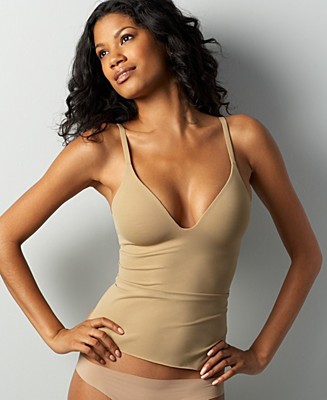
Camisoles
A light sleeveless top with narrow straps, worn over a bra or on its own. The camisole is the piece most often worn as visible outerwear, layered under jackets and open shirts.
Lingerie for the lower body
The lower-body garments differ mainly in how much they cover at the back and how high they sit at the waist.
Bikinis
Cut low at the waist with moderate coverage at the back and higher-cut legs. The most common everyday shape.
Boy shorts
Cut straight across the top of the thigh like a short pair of shorts, giving the fullest coverage of any lower-body style. The straight leg opening means no line across the buttock, which is why they work well under close-fitting clothes.
Briefs
A classic full-coverage cut with a higher waist and a leg opening that curves over the hip. Reliable and supportive, and the shape most often chosen for comfort.
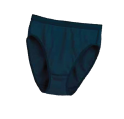
Knickers
A general term for lower-body underwear, used for fuller cuts that sit close to the body without the high leg of a bikini.
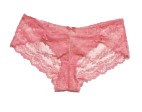
Panties
The broad term covering lower-body underwear generally, used across cuts rather than describing one specific shape.
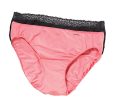
G-strings
Minimal coverage at the front joined to a narrow string at the back. Chosen almost entirely to avoid any visible line under close clothing.
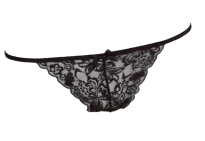
Thongs
Similar in principle to the g-string but with a slightly wider back panel, which makes them more comfortable to wear for longer while still leaving no line.
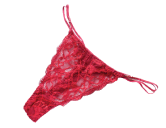
Tap pants
Loose, wide-legged shorts cut like a very short pair of French knickers. They hang away from the body rather than fitting closely, which makes them the least restrictive option in the group.
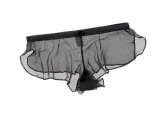
Full-body lingerie
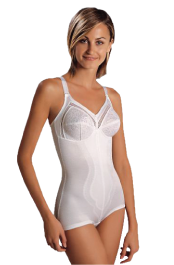
Body briefers
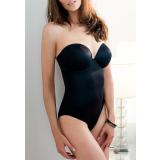
A one-piece garment covering the torso from bust to hip, combining bra support with shaping through the waist and stomach.
Corsets
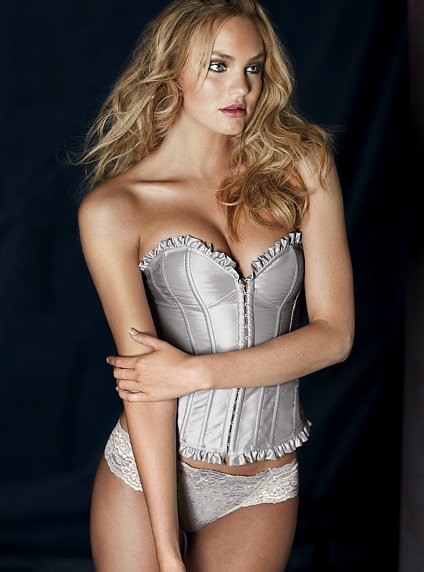
A structured garment stiffened with boning, laced or hooked closed, built to compress and reshape the waist. The corset is the ancestor of most modern shaping lingerie.
Corselets
A lighter combination garment joining a bra to a girdle, giving shaping over a longer section of the body without the compression of a true corset.
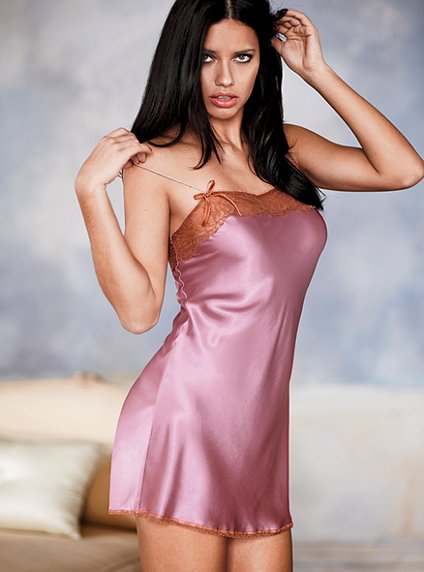
Slips
A smooth layer worn under a dress or skirt. Its purpose is practical: it stops the outer garment clinging, prevents show-through, and lets the fabric hang cleanly.
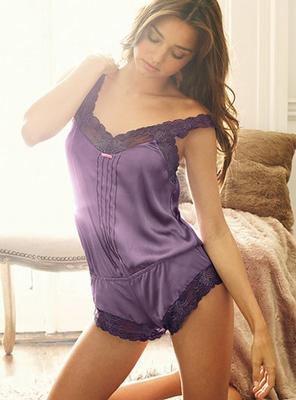
Teddies
A one-piece combining a camisole top with a brief, worn as a single garment. Lighter than a body briefer and not built for shaping.
Hosiery
Garters
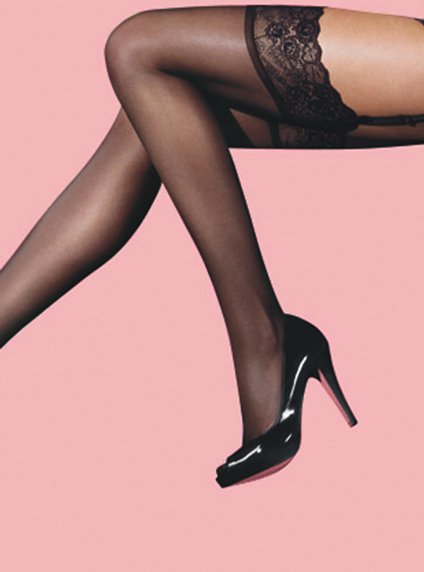
A band, or a belt with suspender straps, used to hold stockings up. The garter belt is the traditional solution to a problem that stay-up stockings solve differently.
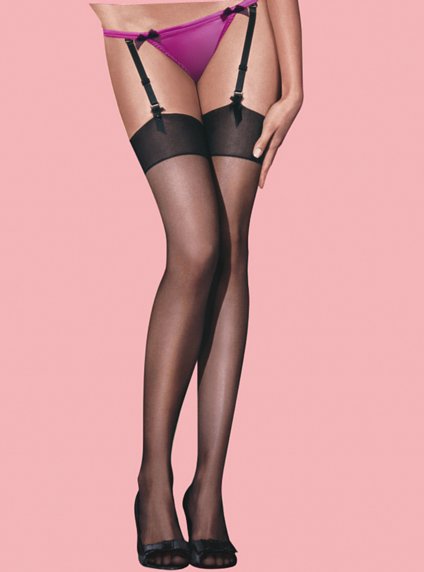
Stockings
Separate leg coverings for each leg, ending on the thigh. Held up either by a garter belt or by an elasticated band at the top.
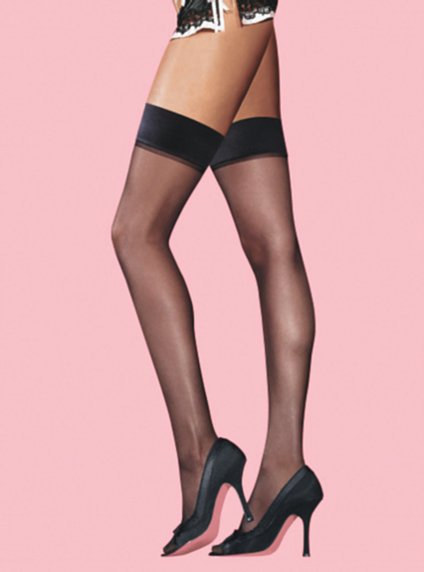
Thigh highs and knee highs
Stockings that stay up on their own, using a band of elastic or silicone at the top. Thigh highs end on the thigh; knee highs end below the knee and are worn under trousers and longer skirts.
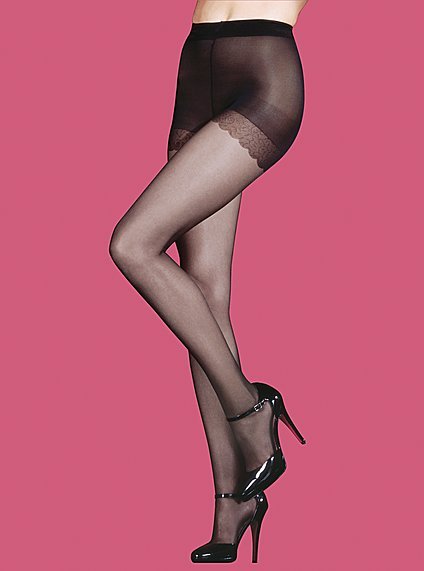
Pantyhose
A single garment combining stockings and a brief, covering from the waist to the toes. The most practical hosiery option and the one that needs no separate support.
Frequently asked questions
What is the difference between a corset and a bustier?
A corset is boned and built to compress and reshape the waist. A bustier supports and shapes without that level of construction.
Which underwear leaves no visible line?
Thongs and g-strings, because there is no rear edge to show. Boy shorts also work well, since the straight leg opening sits flat rather than cutting across.
What is the difference between a teddy and a body briefer?
A body briefer is a shaping garment with built-in support. A teddy is a lighter one-piece with no shaping function.
Do I need a slip?
With any lined dress, no. With unlined or lightweight fabric, a slip stops clinging and show-through and improves how the garment hangs.