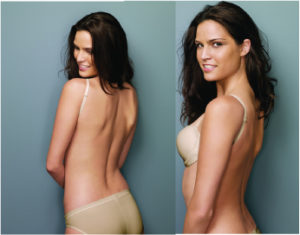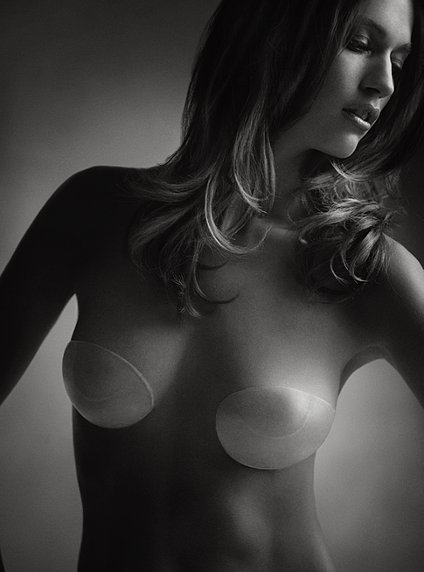
Bras are sold on a long list of promises, and they do not all hold up equally. This is what the garment actually does, style by style, with the one widely repeated claim that deserves qualifying.
Support and control
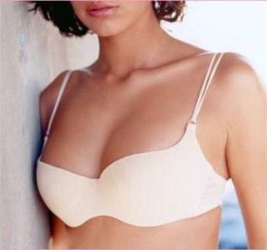
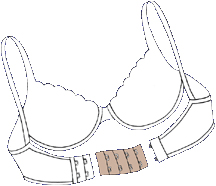
The primary function. A bra provides support and control to the breasts, producing a modest and shapely appearance under clothing. Because breast tissue contains no muscle, this support has to come from outside, and the band and straps transfer the load to the ribcage and shoulders.
Lift
A bra lifts, holding the breasts in position away from the chest wall rather than letting them rest against it. This is the function most immediately visible when a bra is put on or taken off, and it is what changes the line of clothing worn over it.
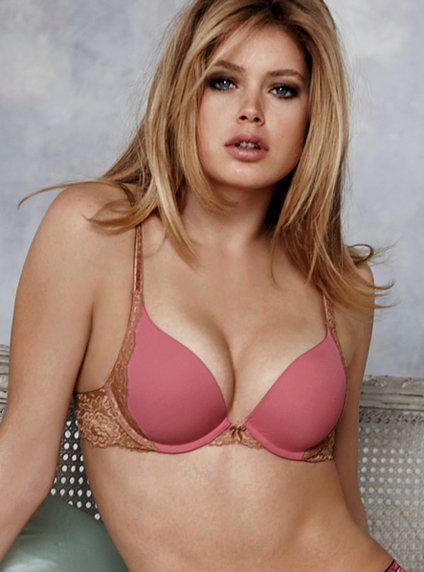
Preventing sagging: a qualified claim
Bras are widely said to prevent the breasts from sagging over time. This may not be an accurate perception, and it is worth flagging rather than repeating.
What a bra demonstrably does is provide lift while it is being worn. Whether wearing one changes the long-term shape of the breast is a different claim, and it is not as well established as the marketing around it suggests. Treat it as an open question rather than a reason to buy.
What specific bra types are built to do
Push-up bras
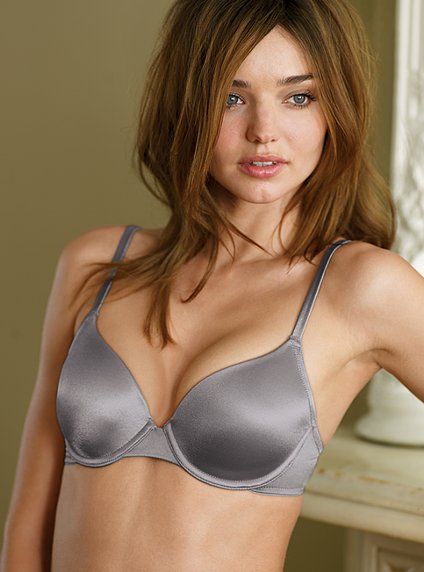
Add volume and produce a greater décolletage, using padding and angled cups to move tissue upward and toward the center.
Minimizer bras
The opposite approach. A minimizer redistributes tissue to make the bust appear a few cup sizes smaller, which solves real problems with button-front shirts and fitted jackets.
Enhancing bras
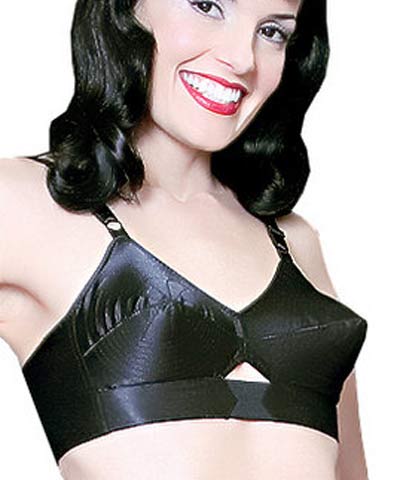
Some bras are chosen specifically to enhance the bust area and the cleavage, which is a shaping goal rather than a support one.
Nursing bras
Built with openable cups so that breastfeeding is straightforward and does not require removing the garment. A genuinely functional design rather than a cosmetic one.
Maternity bras
Designed to accommodate a changing bust size within the same garment, using extended adjustment ranges so that one bra remains wearable as size changes.
Sports bras
Built to control bounce and protect breast tissue during activity, providing firm support where an everyday bra would not. This is the clearest functional case for wearing a bra at all.
Choosing by function
- Everyday support. A well-fitted standard bra in your correct size. Fit does more here than any feature.
- Fuller appearance. Push-up, covered in making small breasts appear fuller.
- Smaller appearance. Minimizer, covered in making heavy breasts appear smaller.
- Exercise. A sports bra, without exception.
- Pregnancy and feeding. Maternity and nursing bras, which solve problems no ordinary bra addresses.
For how these functions are actually delivered, see the basic elements of a bra.
Frequently asked questions
Does a bra stop breasts from sagging?
It lifts while worn. Whether it changes long-term shape is a claim that is commonly made and not firmly established.
What does a minimizer bra actually do?
It redistributes tissue rather than compressing it flat, reducing projection so the bust reads a few cup sizes smaller.
Is a sports bra necessary for exercise?
Yes. Controlling movement during activity is the function an everyday bra is not built to perform.
What is the difference between a maternity and a nursing bra?
A maternity bra accommodates a changing size. A nursing bra opens at the cup to allow feeding. Many garments do both.