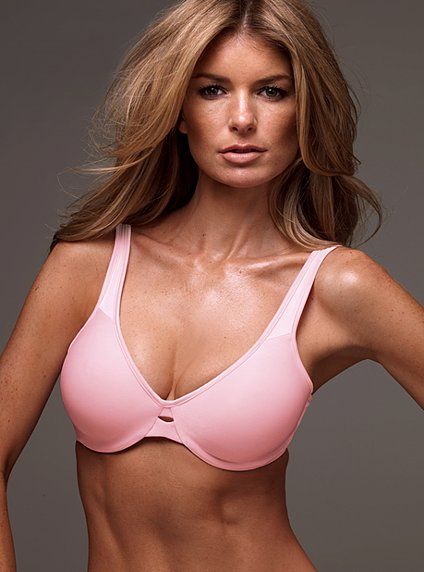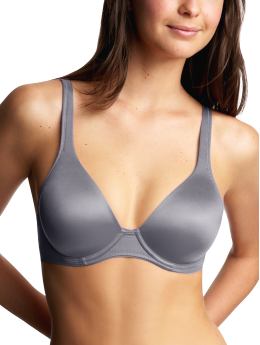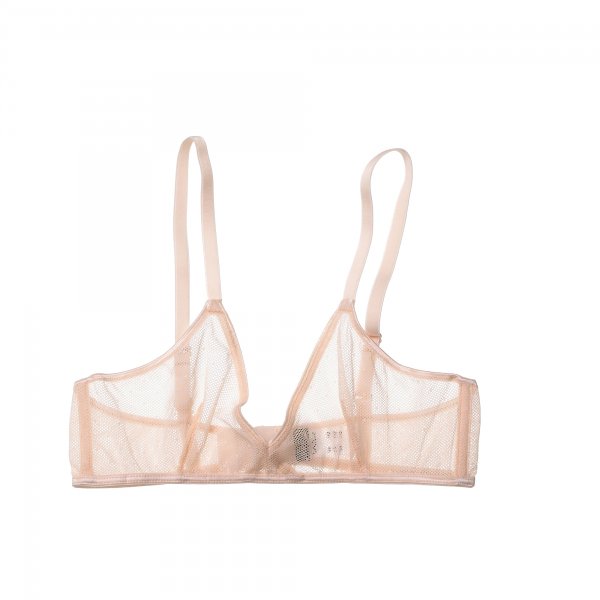
A maternity bra, also called a pre-natal bra, is built to accommodate breasts that change and increase in size continuously through pregnancy. It is a different garment from a nursing bra, which is designed to open for feeding, although many bras do both.
What changes during pregnancy
Breasts become more sensitive, heavier and larger throughout pregnancy. Mammary gland growth and increased fluid drive a size increase that continues rather than settling at one point.
That continuous change is the design problem. An ordinary bra fits a fixed size, and pregnancy does not offer one.
Why proper support matters here
This is not a comfort preference. Without proper support, breasts can become deformed as the tissue is stretched under increased weight. For women who already have a larger bust, inadequate support creates significant tension in the neck and shoulders on top of that.
Getting this right is one of the more consequential fit decisions in the whole category.
How maternity bras are built
- Wide side bands and shoulder straps, which spread the load of growing breast tissue over a larger area.
- Cushioned or padded straps, to avoid strain on the shoulders and neck as weight increases.
- Inside under-bust bands, providing additional support directly beneath the bust.
- Full coverage, containing and supporting the whole breast.
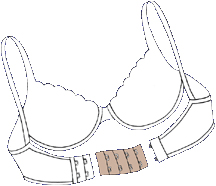
- Three or more back closures, which is what gives the adjustment range the garment depends on.
- Stretch fabric, so the bra accommodates change between hook positions rather than only at them.
- Breathable materials, which prevent breast tissue irritation and relieve strain.
When to start
Start wearing a maternity bra as soon as the breasts begin growing. Growth is rapid from around the fourth month onward, so that is the point at which an ordinary bra usually stops working.
Sizing: the two mistakes
Too tight
Wear the correct size. A bra that is too tight compresses the breasts, and during pregnancy that risks breast infection or mastitis. This is a genuine health consideration rather than a comfort one.
Too loose
Do not buy a size larger than you need. There is a common misconception that a loose bra leaves room for the breasts to grow into. It does not work that way. A loose bra provides no support during the period you are wearing it, which is exactly when support matters most.
The right approach
Choose a maternity bra that fits well on the tightest hook, which is usually the first. As you grow, move progressively to the looser hooks. That is what the multiple closures are for, and it gives you a garment that supports correctly across a range of sizes rather than at only one point.
Soft cups or underwires
Soft cups are the more popular choice for maternity bras, and for good reason. Without a wire there is nothing rigid pressing against tissue that is changing size and is more sensitive than usual.
Underwires are not necessarily a problem, and many women wear them through pregnancy without difficulty. The practical limitation is duration: they should not be worn for long stretches, because a wire sized to yesterday’s shape may not suit today’s.
Frequently asked questions
When should I start wearing a maternity bra?
As soon as your breasts start growing. Growth is rapid from about the fourth month.
Should I buy a bigger size to allow for growth?
No. Buy your size and choose a bra that fits on the tightest hook, then move to looser hooks as you grow.
Can I wear an underwire bra during pregnancy?
Usually yes, but not for long periods. Soft cups are the more common choice because nothing rigid presses on changing, sensitive tissue.
What is the difference between a maternity and a nursing bra?
A maternity bra accommodates a changing size. A nursing bra opens at the cup for feeding. Some garments do both.
Why is a too-tight bra a problem in pregnancy?
Compression risks breast infection or mastitis, which makes correct sizing a health matter rather than only a comfort one.
See also full-coverage bras and the full range in bra categories.