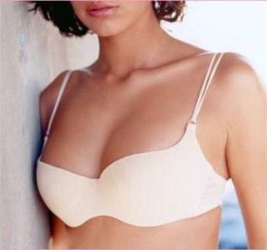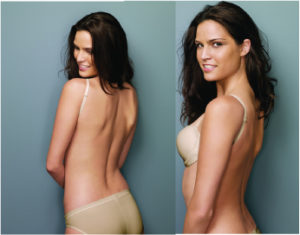
There are a great many bra types, and each is designed to achieve something specific. Push-up bras and corsets enhance curves and produce a greater décolletage. Sports bras control and minimize bounce during exercise. Minimizer bras make the bust appear one or two cup sizes smaller. Knowing which is which turns a bewildering wall of options into a short list.
What determines a bra style
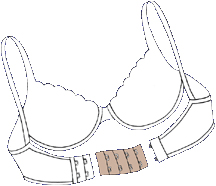
Every bra is built from four elements: the band, the cups, the straps and the closure. Style is simply the result of the variations applied to those four parts. A strapless bra removes one element. A front-closure bra relocates another. Once you can see a bra as four components, the categories stop being arbitrary.
The elements themselves are covered in basic elements of a bra.
How to choose
Focus on three things: the dress you are wearing, the occasion you are dressing for, and what you want the bra to do underneath your clothes. No single bra serves an office day, a formal evening and a casual outing equally well, so the practical approach is to stock a small set that covers your actual situations. Our guide to the conditions determining your bra type works through that decision in order.
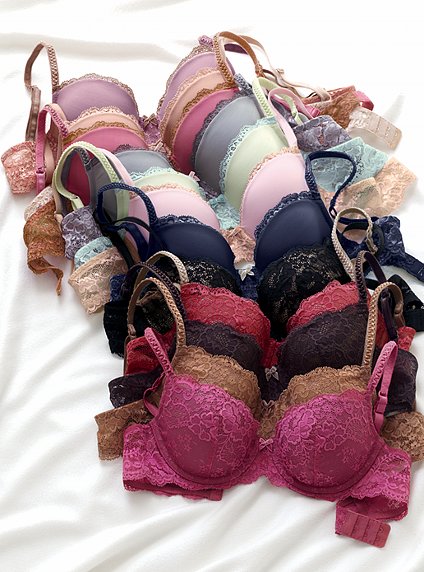
Everyday and t-shirt bras
- T-shirt, training and U-plunge bras
- Seamless and soft-cup bras
- Underwire, triangle and male bras
- Convertible, cupless and contour bras
Bras for difficult necklines
- Racer-back and strapless bras
- Backless, bandeau and bralette
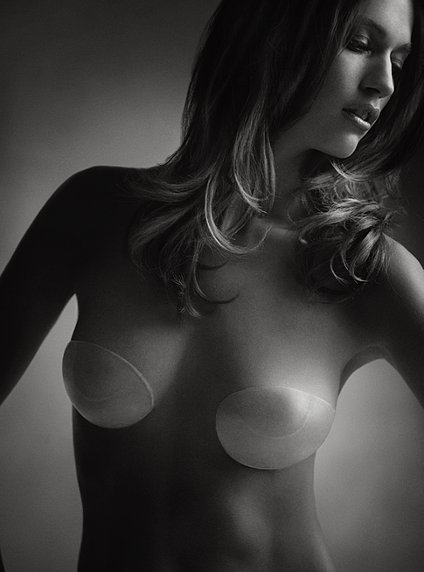
- Adhesive bras
- Demi and half-cup, halter-neck and novelty bras
Shaping bras
- Long-line and shapewear bras
- Minimizer and water, gel and liquid bras
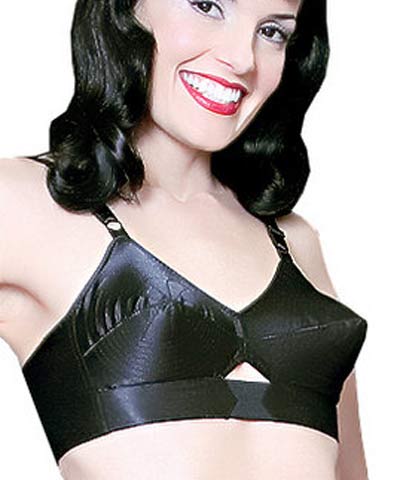
- Bullet, peep-hole and natural bras
Functional and specialist bras
Revealing and decorative bras
The complete list of types
For reference, the full set of named bra types covered across these guides:
| Type | Built for |
|---|---|
| Adhesive | Backless and strapless outfits with no band at all |
| Backless | Low-backed garments |
| Bandeau | Simple strapless coverage |
| Bralette | Light unstructured everyday wear |
| Demi and balconette | Lower cut with a wider strap set |
| Body briefer | Support plus torso shaping |
| Bullet | The mid-century conical silhouette |
| Bustier | Support extended down the torso |
| Built-in | Support integrated into a garment |
| Cupless | Support without cup coverage |
| Contour | A smooth molded shape |
| Convertible | Straps that reconfigure for several necklines |
| Front closure | Fastening between the cups |
| Full coverage | Maximum containment and support |
| Halter neck | Straps meeting behind the neck |
| Long line | An extended band for shaping |
| Maternity | Accommodating a changing size |
| Nursing | Cups that open for feeding |
| Minimizer | Reducing apparent cup size |
| Mastectomy | Holding a prosthesis securely |
| Male | Support and compression for men |
| Natural | Shape following the body rather than reshaping it |
| Novelty | Decorative and occasion pieces |
| Peep hole | An opening at the cup |
| Padded | Added shape and a smooth surface |
| Push up | Lift and a fuller décolletage |
| Racer back | Straps converging between the shoulder blades |
| Sports | Controlling movement during activity |
| Shelf | Support from below with an open cup |
| Seamless | Invisibility under close-fitting fabric |
| Strapless | Support with no shoulder straps |
| See-through and sheer | Transparent fabric, worn to be seen |
| Soft cup | Unstructured cups with no wire |
| T-shirt | A smooth molded cup with no visible edge |
| Triangle | Simple triangular unstructured cups |
| Training | Light first support |
| U-plunge | A deep central opening for low necklines |
| Underwire | Wire support beneath the cup |
| Water and gel | Fluid-filled padding for a natural feel |
Frequently asked questions
How many bras do I actually need?
Fewer than the list suggests. A well-fitting everyday bra, a seamless one for close-fitting clothes, a sports bra, and one solution for strapless or backless outfits covers most wardrobes.
What is the difference between a demi and a full-coverage bra?
Coverage and strap position. A demi cuts lower across the cup with wider-set straps; a full-coverage bra contains more of the breast and supports more firmly.
What is the difference between a bralette and a bra?
A bralette is unstructured, usually without wires or molded cups. It is comfortable and light, and it provides correspondingly less support.
Which bra type is most versatile?
A convertible, because the straps reconfigure for halter, racer-back, strapless and standard necklines from a single garment.