Acrylic is the synthetic fiber that stands in for wool. It is soft, warm, lightweight and takes color brilliantly, and it does all of that without wool’s cost, its care requirements or its tendency to shrink. That combination is why it dominates the sweater aisle.
Where acrylic came from
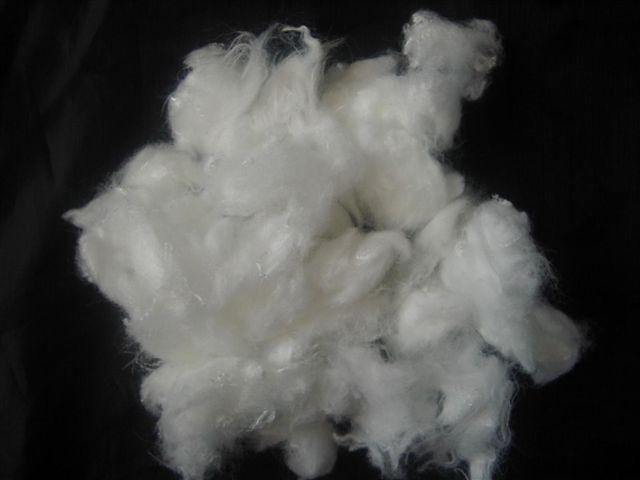
Acrylic was first developed by DuPont in 1944, made from petroleum derivatives. The fibers are produced from a petrochemical called acrylonitrile and are then either dry spun or wet spun into filament.
Properties
- Soft, wool-like hand. The fiber is engineered to feel like wool, and a good acrylic knit is genuinely difficult to distinguish by touch alone.
- Lightweight and warm. It insulates well relative to its weight, which is the other half of the wool comparison.
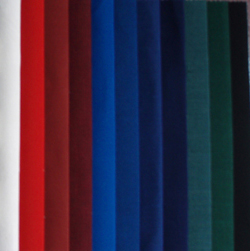
- Excellent dye uptake. Acrylic accepts an exotic range of colors and holds them, with very good colorfastness. Bright, saturated knitwear is usually acrylic for this reason.
- Resists shrinkage and wrinkles. This is the practical advantage over wool and the reason acrylic knitwear survives ordinary laundering.
- Moisture control. It draws moisture away from the skin and moves it to the fabric surface, where it can evaporate, keeping the wearer more comfortable during activity.
- Resistant to oils and chemicals. A useful property in workwear and furnishing applications.
- Fair resistance to sunlight. Better than many fibers, which is why acrylic appears in outdoor furnishing fabrics.
Where acrylic is used
Apparel
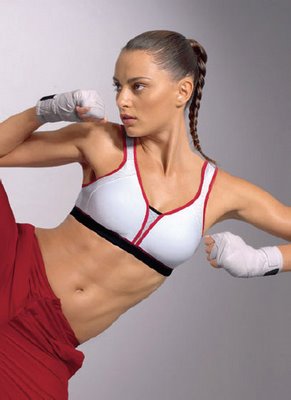
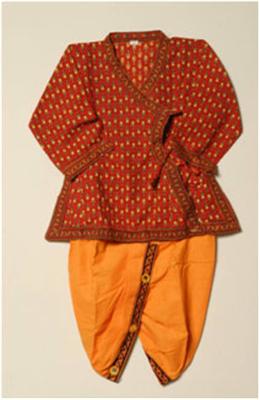
Sweaters and knitwear are the largest use by far, along with fleece fabrics and socks. Its high-performance behavior, particularly the moisture management, has also made it common in sports apparel.
Home furnishings
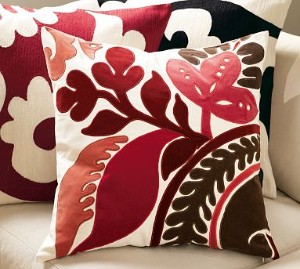
Acrylic appears in furniture fabrics, carpets, blankets and upholstery. The combination of colorfastness, light resistance and resistance to oils is what makes it suitable there, since furnishing fabric has to survive years of daylight and occasional spills.
The trade-offs
Acrylic is not wool, and two differences show up in wear.
The first is pilling. Acrylic knits are prone to forming small balls of fiber at points of friction, typically under the arms and along the sides. Tighter-spun yarns pill less, and a fabric shaver removes what does form.
The second is heat sensitivity. Acrylic is a thermoplastic, so it will melt rather than char. A hot iron flattens the surface irreversibly, and a hot dryer can set permanent creases into a knit.
How to care for acrylic
- Wash warm or cool on a gentle cycle. Acrylic does not need hot water and does not benefit from it.
- Turn knitwear inside out before washing to reduce surface friction and slow pilling.
- Tumble dry on low, or dry flat. High heat is the main way acrylic garments are ruined.
- Use a cool iron if pressing is needed at all, ideally through a cloth.
- Store knitwear folded rather than hung, so the shoulders do not stretch.
Frequently asked questions
Is acrylic warmer than wool?
Not usually. It is warm for its weight, but wool generally insulates better, particularly when damp. Acrylic’s advantage is cost, color and easy care.
Why does my acrylic sweater pill?
Short fibers work loose at friction points and tangle into balls. It is normal for the fiber. A fabric shaver removes them, and washing the garment inside out slows the process.
Is acrylic suitable for sensitive skin?
Often yes, since it avoids the prickle some people react to in wool. It is not absorbent in the way natural fibers are, so it can feel warmer against the skin during activity.
Can acrylic be tumble dried?
On a low setting, yes. High heat can melt or permanently flatten the fiber surface.