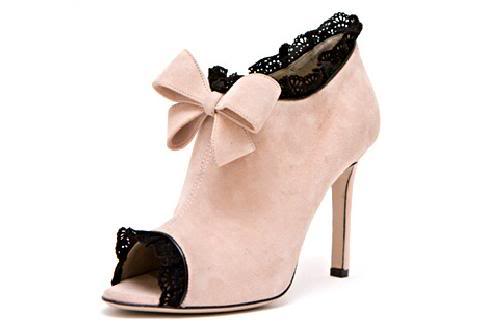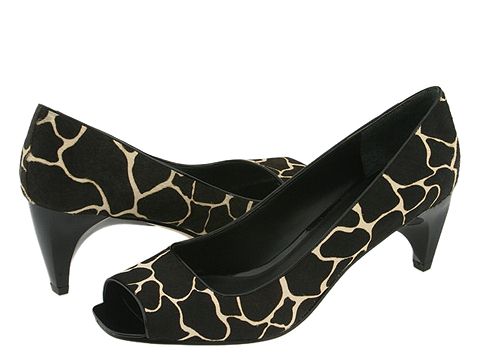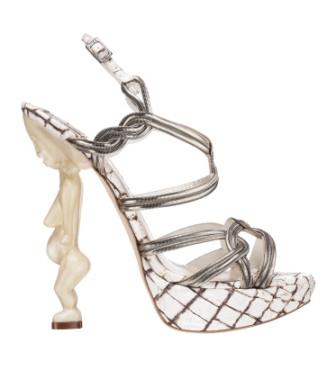
These three styles have one thing in common. None of them is a quiet shoe. Each is built around a decorative idea rather than a construction requirement, and each demands that the rest of an outfit gives way to it.
Fringed shoes and boots
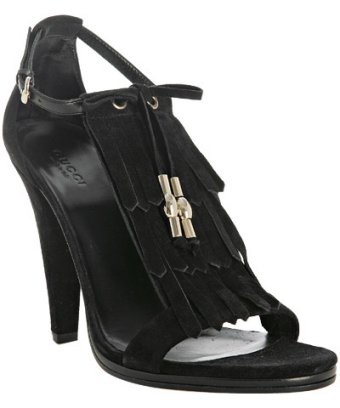
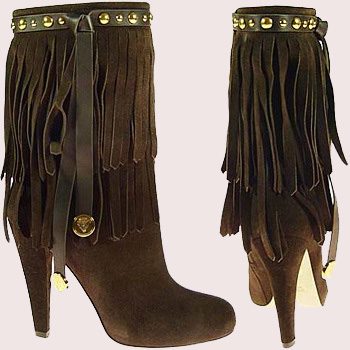
Fringing is exactly what the name suggests: cut strands of leather or suede attached in rows so they hang free and move as you walk. It appears on both flat sandals and high heels, and on boots as well as shoes.
Why they are comfortable
Fringed shoes are lighter than they look and comfortable to wear. Because the fringing is made of separate hanging strands rather than a solid panel, the shoe is far more open than most footwear of the same coverage, and air moves through it freely.
Colors and pairing
The style sits in a natural palette. Camels, tans, browns and blacks are the standard range, and the earthiness is part of the look.
Fringed sandals work particularly well with long, flared skirts. Both the fringe and the skirt move, and the two kinds of movement complement each other rather than competing.
Among the names associated with the style are Phillip Lim, Balmain, Gucci and Ruffian.
Fetish shoes
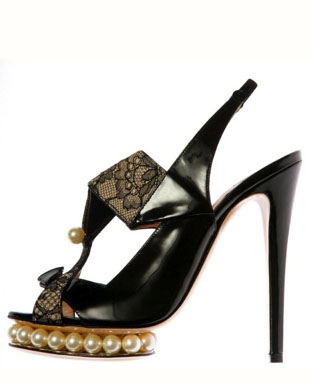
Fetish shoes are footwear built around exotic detail: intricate patterns, applied jewelry, and surfaces worked in beads and stones. Studs, chains and spikes are the recurring vocabulary, along with crystals and beadwork.
Heels and flats
High heels take this kind of embellishment very well, since the shape is already dramatic and the decoration extends rather than fights it.
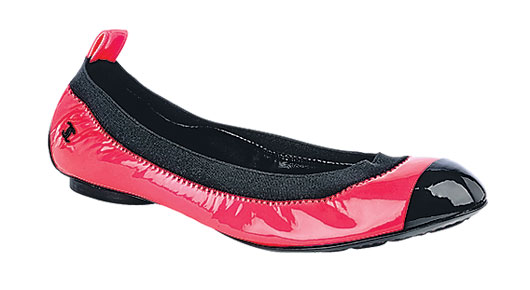
Flats are the harder case. A plain flat is often visually dull, and it is precisely the shoe that benefits most from interesting exotic detail. Applied properly, embellishment gives a flat the presence it otherwise lacks.
One caution
Avoid cheap imitations. This is a style where the quality of the applied work is the whole product, and poorly set stones and thin plating are immediately visible. Among the designers associated with the style are Anna Sui and Donna Karan.
Gladiator sandals
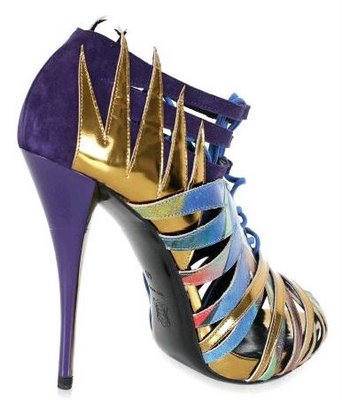
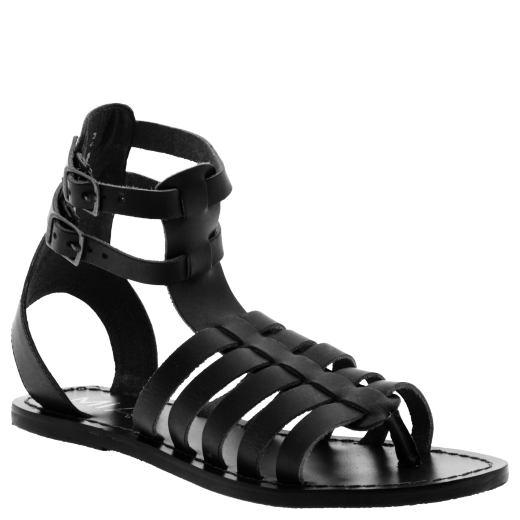
The gladiator sandal takes its design from the ancient Roman world. Sandals worn by the ancient Greeks used a T-strap with multiple straps running across the foot, and that arrangement is what the modern shoe reproduces.
It is made both flat and heeled, and it is a genuine mass favorite rather than a niche style. The range runs from trendy metallics through to bright, bold colors, and the flat version in particular has become a warm-weather staple.
Names associated with the style include La Perla, Anna Sui and Iceberg.
How high to go
Gladiators are made in every height from a low ankle version to strapping that reaches the knee. The higher the shaft, the more leg it covers and the shorter the leg reads, so tall versions work best with a hemline that leaves plenty of thigh visible above them.
Wearing statement shoes
- Let the shoe be the only statement. Heavy embellishment on the foot plus a busy print above it means neither wins.
- Keep the leg clear. All three of these styles add visual weight low down, so tights and patterned hosiery tend to overload them.
- Match movement to movement. Fringe and gladiator strapping both suit garments that move. They look inert against something stiff.
See also our guides to espadrilles, reptile leather and ankle straps and footwear for women.
Frequently asked questions
Are fringed shoes hot to wear?
Less than they appear. The fringing hangs as separate strands, so the shoe is far more open than a solid upper of the same coverage.
Do gladiator sandals suit short legs?
The low-cut versions do. Tall strapping that reaches the calf or knee shortens the leg considerably, so it needs a shorter hemline to balance.
What makes a shoe a gladiator sandal?
The Greek and Roman T-strap arrangement, with multiple straps running across the foot.
Can embellished shoes be worn with a patterned outfit?
It rarely works. These shoes are designed to be the focal point, and a competing pattern flattens the effect of both.