Contemporary footwear is no longer only about comfort and utility. The center of attention has moved toward detailing and craftsmanship, and shoe design has evolved into a field where luxury, comfort, style and innovation all shape the material, color and construction of a single pair.
This guide maps the whole territory. Every shoe category, every heel shape, every toe shape, and where to read more about each.
What has changed in shoe design
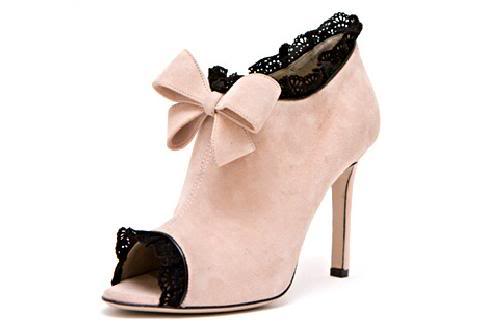
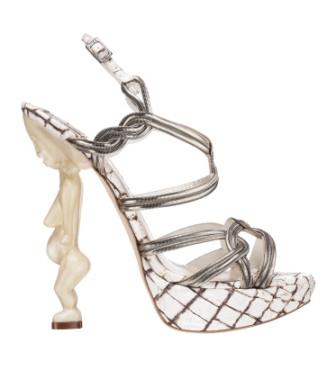
Shoes have stopped being restrained. They are more exotic in appearance and carry far more applied detail than they once did, including buckles, straps, laces and beadwork. Suede, reptile skin, chains and beads are all in regular use.
Color has changed just as much. Shoes are frequently two-toned or multicolored rather than staying in the classic range of gray, brown and black, and bold shades such as gold, silver and red are entirely ordinary now.
The most useful development is that different elements of a shoe can carry different colors. The strap, the heel and the platform can each be finished in a shade that contrasts with the rest of the shoe, which makes matching a pair to a specific outfit far easier than it used to be.

Shoe categories
Every shoe belongs to one of these families, and each is defined by a specific piece of construction rather than by appearance alone.
- Pumps, clogs and sandals. The pump is low-cut on a heel of at least two inches, the clog is defined by its solid sole, and the sandal covers everything open and largely casual.
- Slingbacks, loafers and mules. Three different answers to holding a shoe on without a closed back.
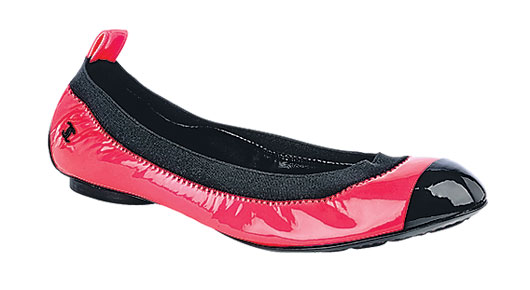
- Ballet flats, high-heeled sandals and flip-flops. The comfort range from end to end.
- Fringed, fetish and gladiator sandals. Statement footwear built around a decorative idea.
- Espadrilles, reptile leather and ankle straps. Defined by a material, a surface and a fastening respectively.
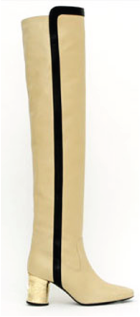
- Above-the-knee, ballet and kinky boots. The tall boot range, from everyday to specialist.
- Ankle strap shoes and sandals. Covered in detail, including how strap width and position affect the leg line.
Heels
The heel sets both the height and the stability of a shoe, and the two do not move together.
- Kitten, stiletto and platform heels. The three most common shapes, and the trade-off each one makes between height and comfort.
- Feature, tapered and spool heels. The sculptural and historical shapes, including the most stable heel of all.
Toe shapes
The toe shape changes the apparent length of the foot and determines how much room the toes actually have. It matters more than most buyers assume.
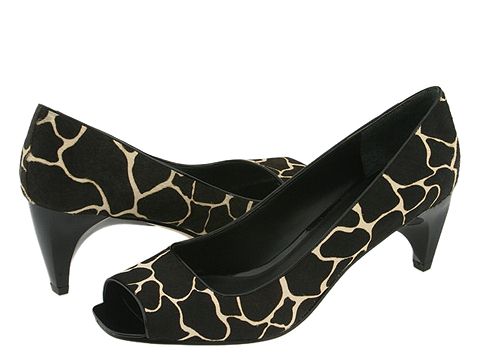
- Peep, squared-off and pointed toes. What each shape does, and which foot each one suits.
Matching shoes to outfits
Choosing well is largely a question of matching the formality and the line of the shoe to the garment above it. Our guide to matching shoes with the right outfit works through the full range, including flats, ballet flats in canvas and leather, embellished ballerinas, flat thongs, pumps, canvas sneakers, platform and wedge heels, stilettos, kitten heels, and both tall and ankle boots.
If height is the goal, our guide on how to appear taller covers what footwear can and cannot do for the leg line.
Shoe care
Each material needs a different routine, and the difference is not cosmetic. Leather needs conditioning and shaping, suede needs brushing and protecting from water, and canvas needs cleaning without soaking.
- Shoe trees. The single cheapest thing you can do to make leather shoes last, and how to choose between cedar, plastic and spring types.
- Shoe socks. A shield designed to protect the inside of a shoe.
- Feet and footwear in the monsoons. The wet-weather routine, which is where most footwear damage and most foot problems actually happen.

Frequently asked questions
Do dress shoes have to be high-heeled?
No, and it is worth saying plainly because the assumption is common. Kitten heels, ballet flats and low slingbacks all work as dress shoes, and the flat versions are considerably easier to wear for a whole evening.
What is the most comfortable heel to walk in?
A platform or wedge, because it raises the front of the foot as well as the back and puts a wide base on the ground. The spool heel is the most stable of the slim shapes.
Which toe shape gives the most room?
A squared-off toe, followed by a round toe. Both keep width across the widest part of the foot rather than tapering it away.
How many pairs of shoes should be in rotation?
More than one, at minimum. Rotating pairs lets each dry out fully between wears, which prevents odor and adds years to the shoes.